+44 (0)20 7819 9770
 info@ampersandtravel.com



Pushkar
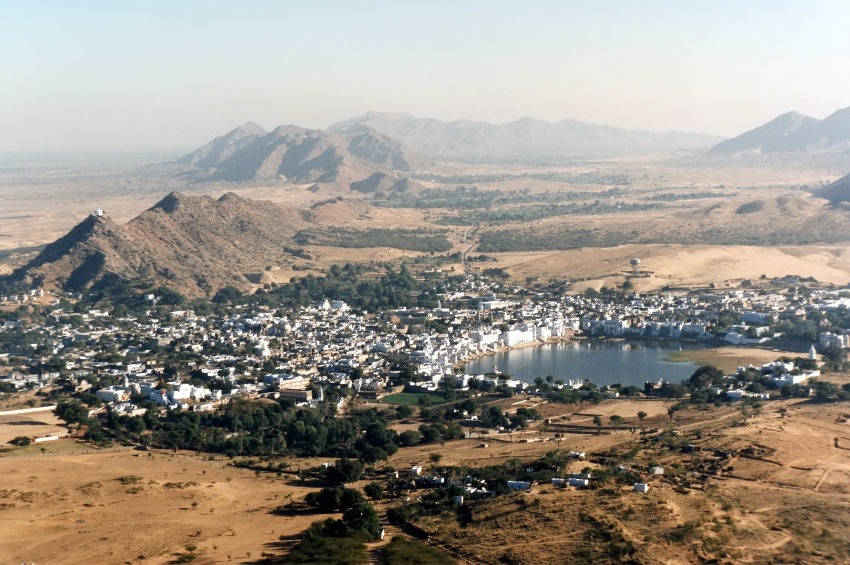
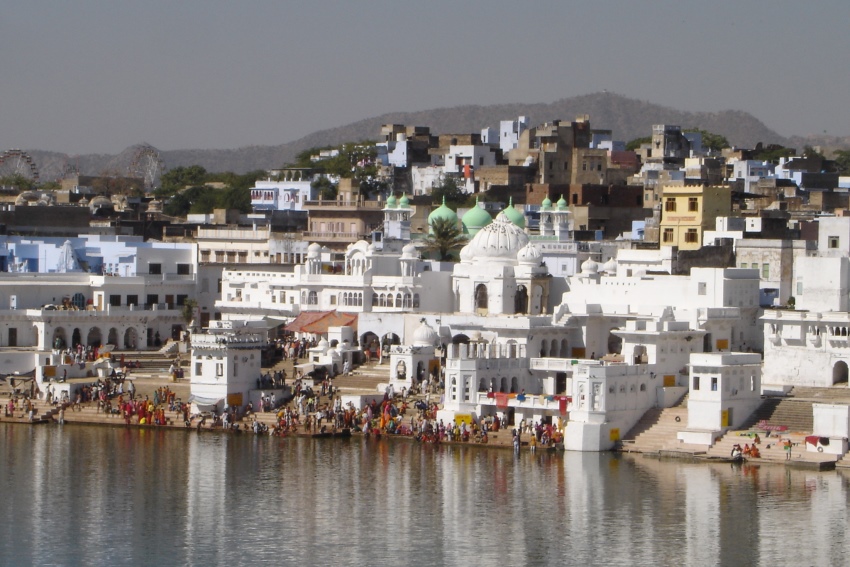
Located in the heart of Rajasthan’s Thar Desert, 11 kilometres from Ajmer, the town of Pushkar sits beside a lake said to be formed of the petals of a lotus dropped by Lord Brahma. The lake is surrounded by more than 400 whitewashed temples; the main temple is a beautiful ornately carved structure which dates back several thousand years and is one of the few temples in India dedicated to Brahma. Pushkar is famous for its colourful annual camel fair and religious festival in October or November (the anniversary of the lotus-dropping), which is attended by 300,000 visitors, including pilgrims and sadhus who come to cleanse away their sins in the holy lake.
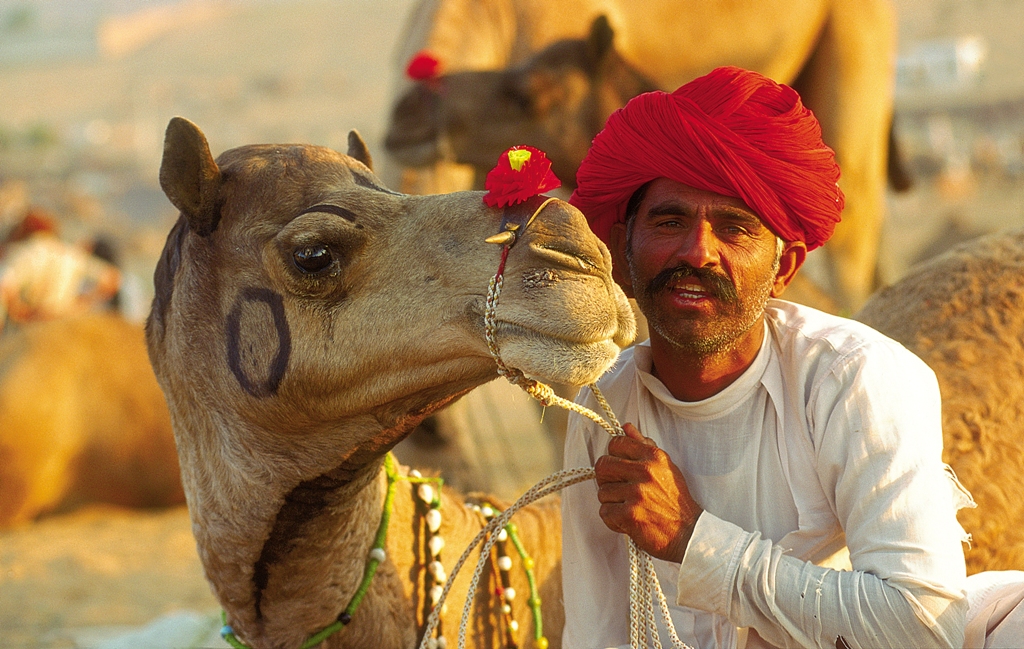
This exuberant and boisterous festival runs for a week, the first part of which is largely for the trading of goods and livestock, notably camels. There is up to 20,000 camels, horses and donkeys traded here each year, and the festivities are kicked off with a lively camel race. The 'second part' is much more religious, with many pilgrims and sadhus attending to cleanse their sins in the holy lake. The atmosphere is a riot of colour, extraordinary noise and activity: occasional events are staged in a central arena, a fun fair wheel tempts the daring and street upon street of stalls sell bright clothes, textiles, camel bells and street food.
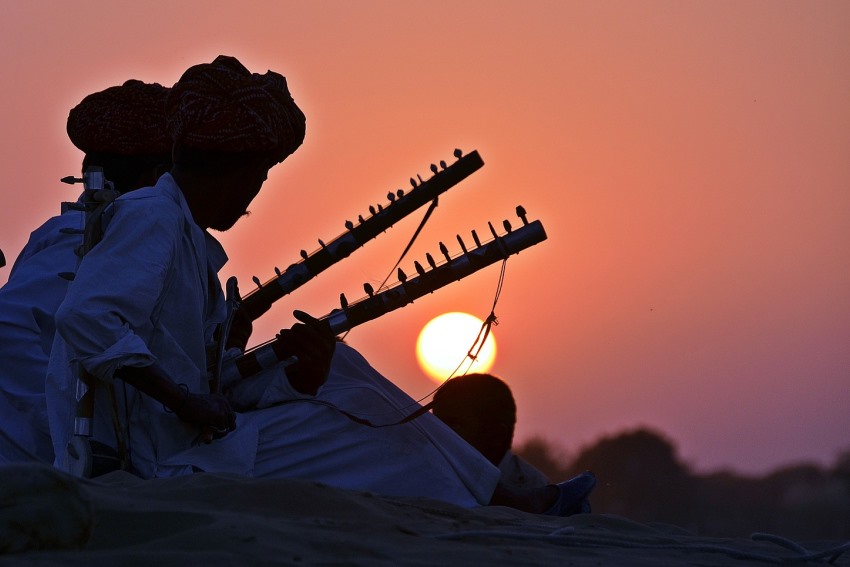
Festivities include folk music, traditional dancing in colourful regional costumes, tug-of-war games, camel beauty pageants, and turban and moustache competitions. As an observer this is a truly fascinating event and you can spend days wandering around soaking up the sights and smells, stocking up on saris, woodcraft and jewellery, and rubbing shoulders with tribal artisans. In more recent years there has even been a friendly match between the local cricket team and willing tourists, for those who really want to get involved in the action!
Thousands of people, both locals and foreigners, congregate in the swirling sands surrounding the town to absorb the incredible atmosphere or partake in holy rituals. As a result, Pushkar is far from unspoilt, but with up to 400 temples and 52 ghats to visit, it doesn't matter. Priests may ask you to make a "Pushkar puja" – an offering of rose petals strewn upon the lake, for a fee, of course – and tie a red thread around your wrist. The one-hour walk to the nearby summit of Savitri Mandir, ends in wonderful views.
Visitors can also experience the spectacle of the Pushkar Camel Fair from above by taking a hot air balloon ride for exceptional views over the town’s temples, ghats and striking desert landscape. If your visit does not coincide with the Pushkar Camel Fair, the town’s atmosphere is much more serene, and you can head out to explore the desert dunes on a camel back safari.


 Places of Interest
 Accommodation
I dislike feeling at home when I am abroad.
George Bernard Shaw