+44 (0)20 7819 9770
 info@ampersandtravel.com



Ranvas
Nagaur
Rajasthan is no stranger to spectacle. Jaipur shimmers in pink, Udaipur floats in white and Jodhpur dazzles in indigo. But tucked quietly between the noise, like a secret held in the palm of the Thar, lies Nagaur, and within its walls, something utterly sublime: Ranvas.
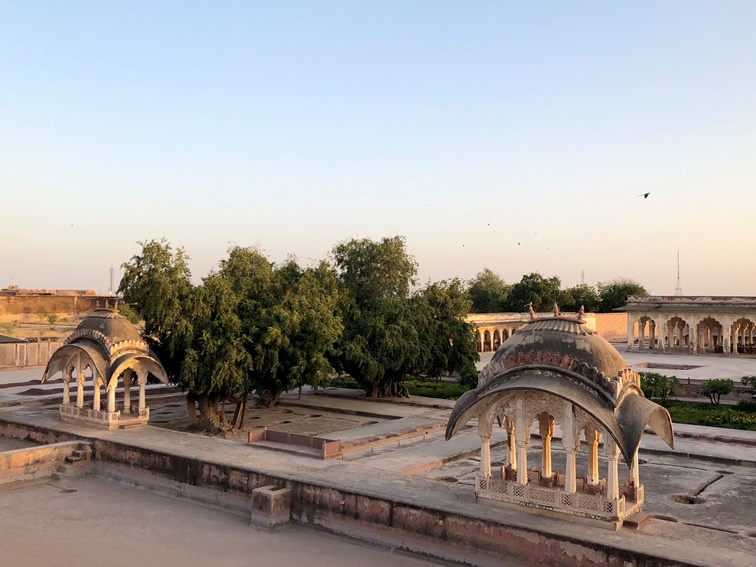
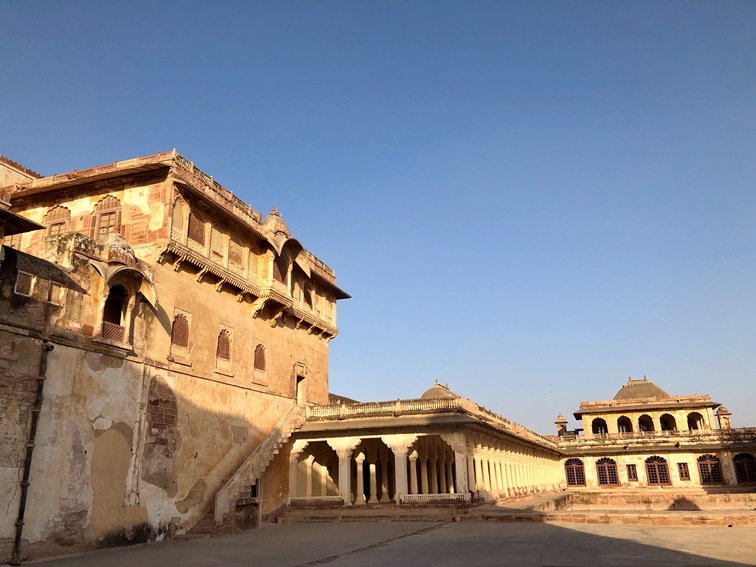
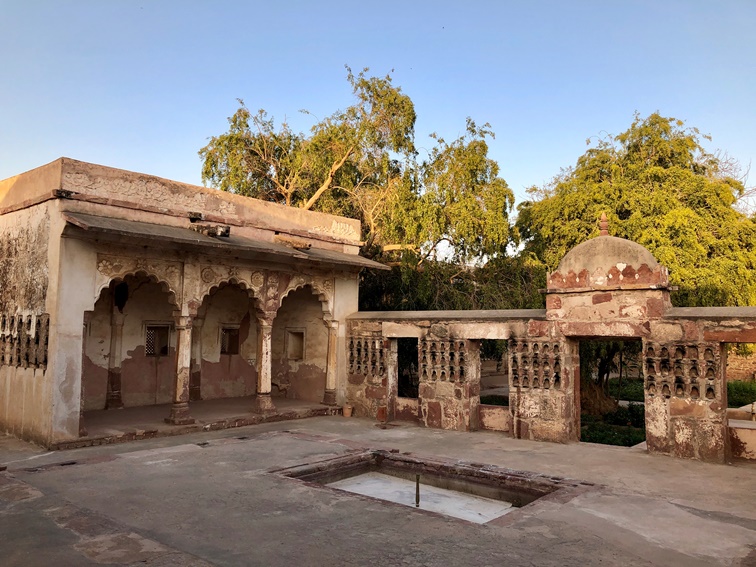
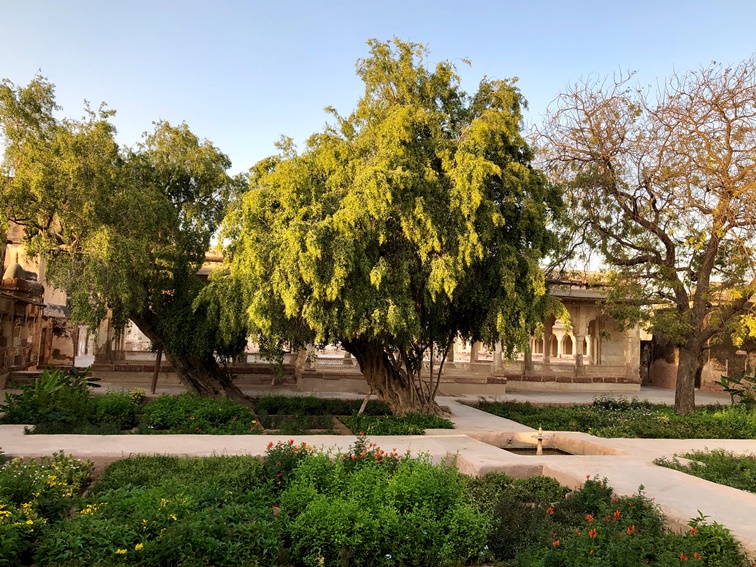
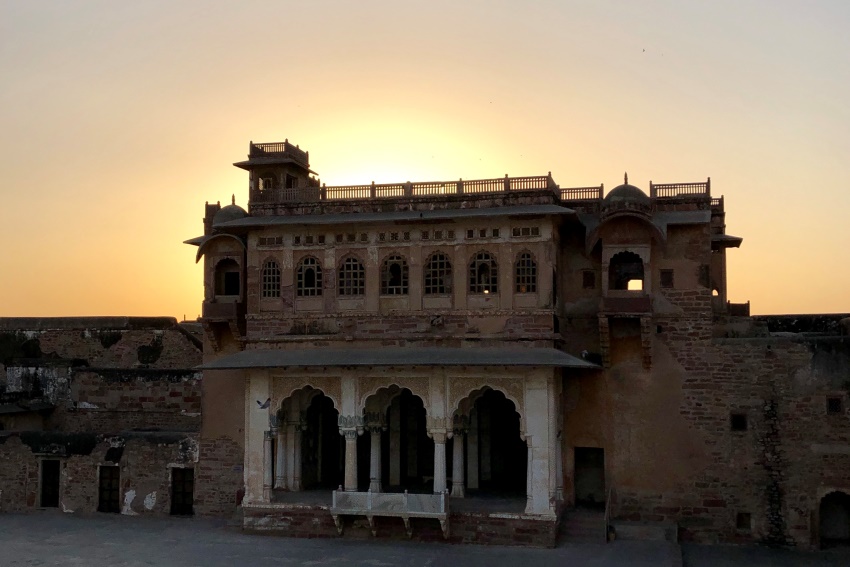
Ranvas only opened in 2018, but one would be wrong to say it is new. The property occupies the former women’s quarter of the 12th-century Nagaur Fort, once a pleasure palace of the Maharaja of Jodhpur and it has been lovingly restored to its present state. Part living museum, part royal fantasy, it has the bones of history, surrounded by crumbling ramparts, scented gardens and honeyed courtyards. You come here not for glamour, but for grace.
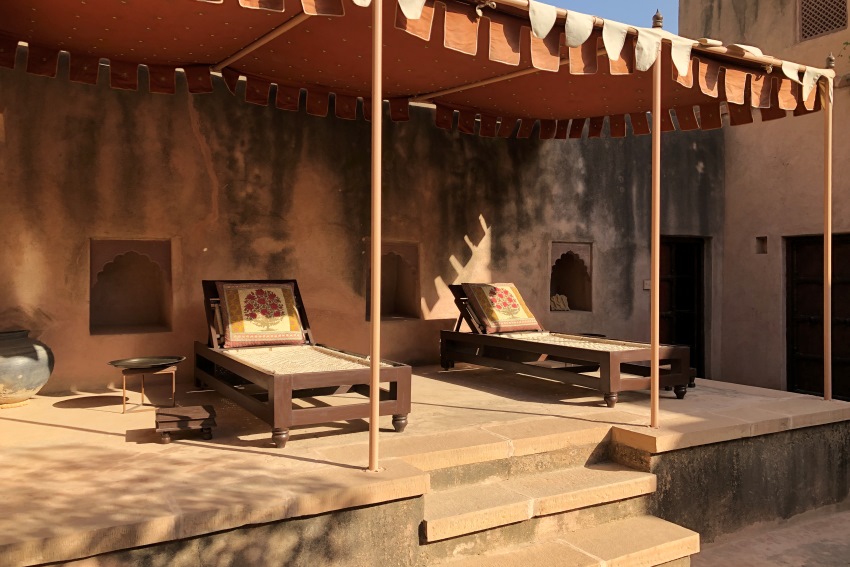
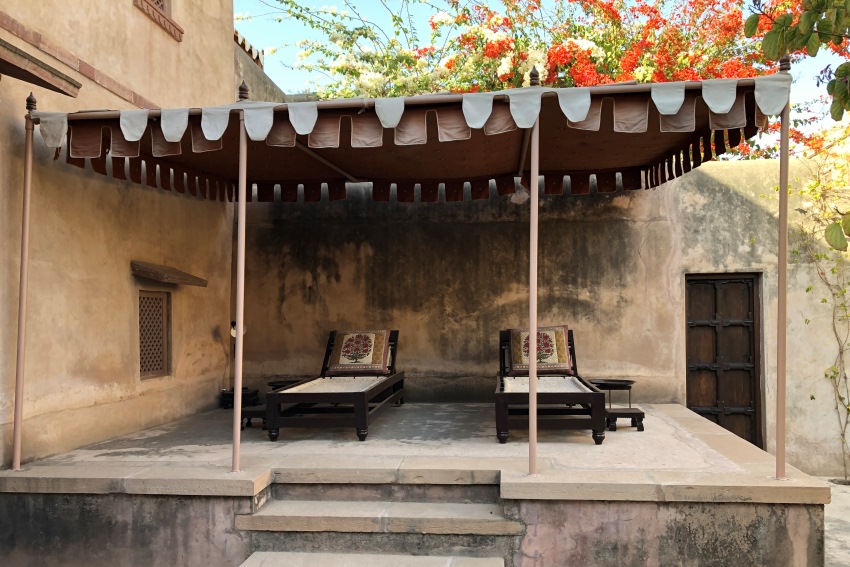
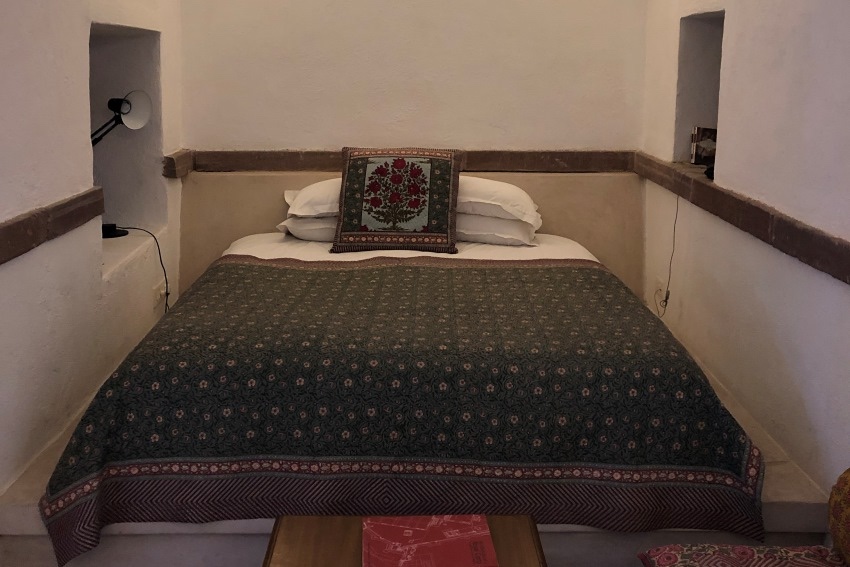
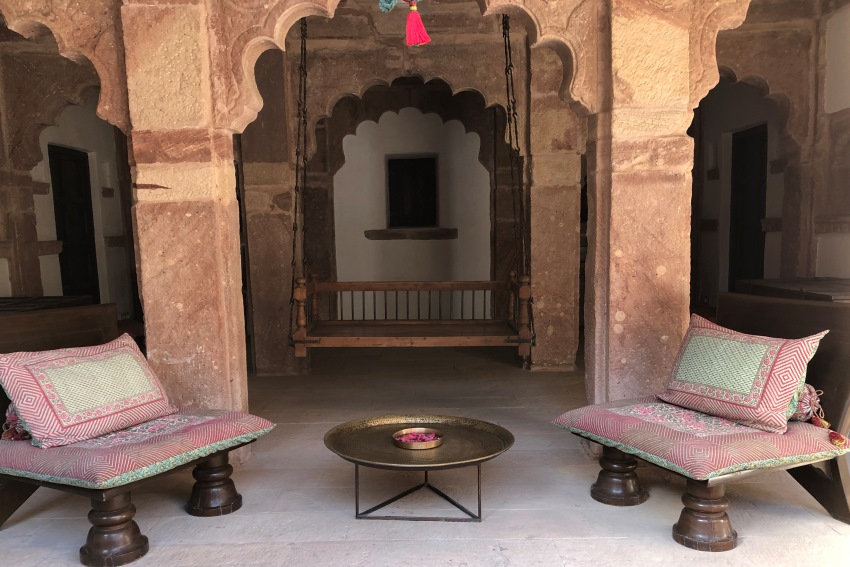
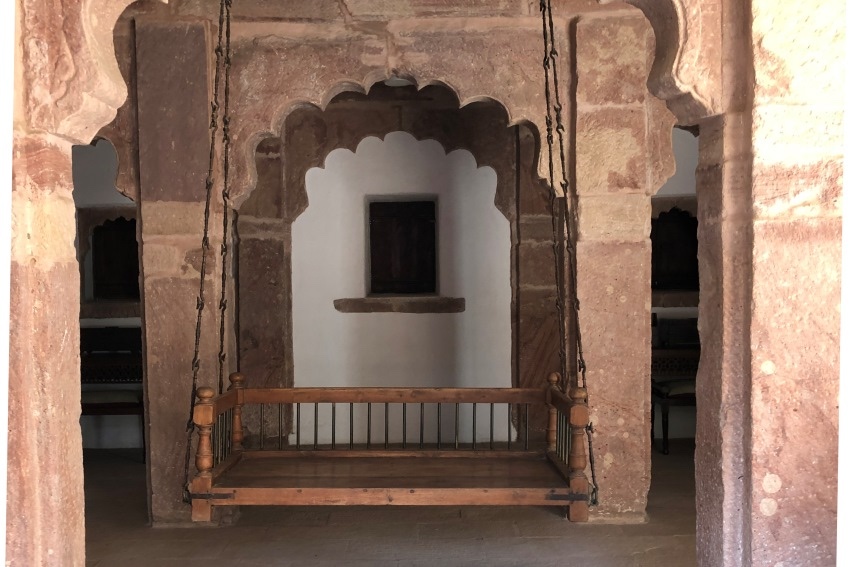
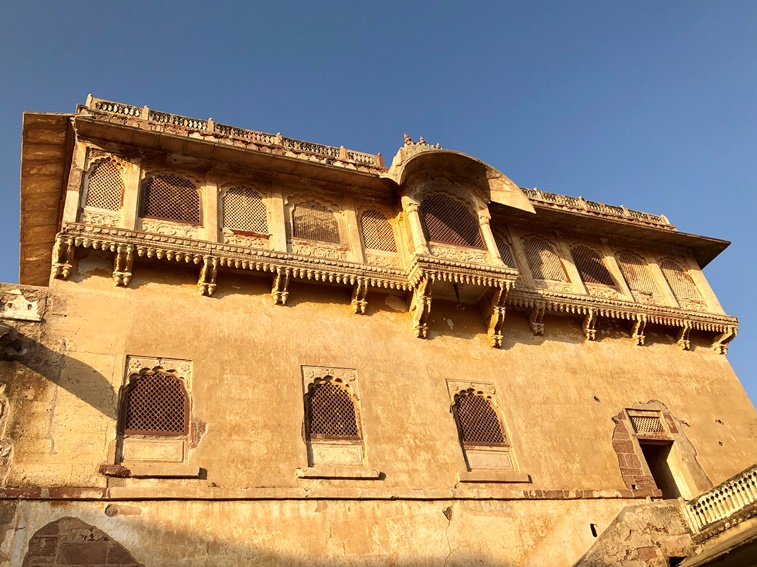
Ten former havelis within the fort itself, each once home to a different queen, have been beautifully restored into 27 rooms and suites, where hand-blocked fabrics, carved doors and polished sandstone floors hum with the memory and grandeur of yesteryear. The aesthetic is understated regal; Mughal arches, jaali windows, four-poster beds and walls the colour of burnt apricot at golden hour. There are no televisions, instead birdsong, candlelight and the soft footfall of history underfoot.
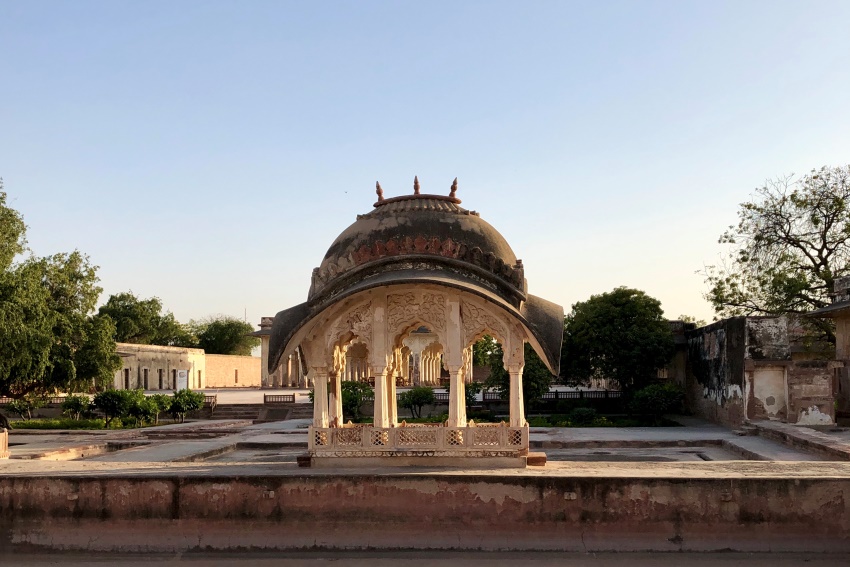
By day, explore the fort’s astonishing Mughal frescoes, a UNESCO-awarded restoration project of rare delicacy, or follow the scent of jasmine into one of the hidden cloistered courtyards. Take your breakfast beneath a neem tree, walk barefoot to the temple, sip chai while the light changes over the battlements. Unlike the rest of Rajasthan, Ranvas is not performative, it’s deeply, refreshingly still, a place that commands you to slow down.
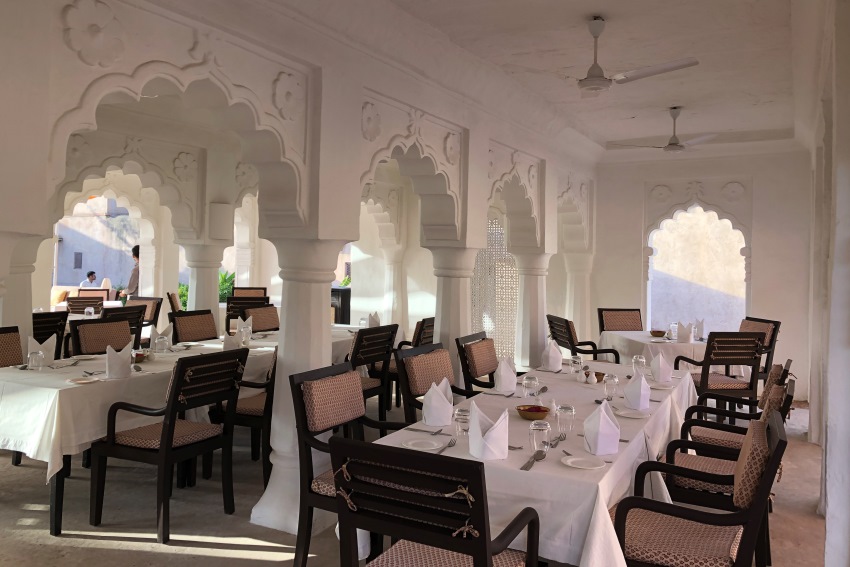
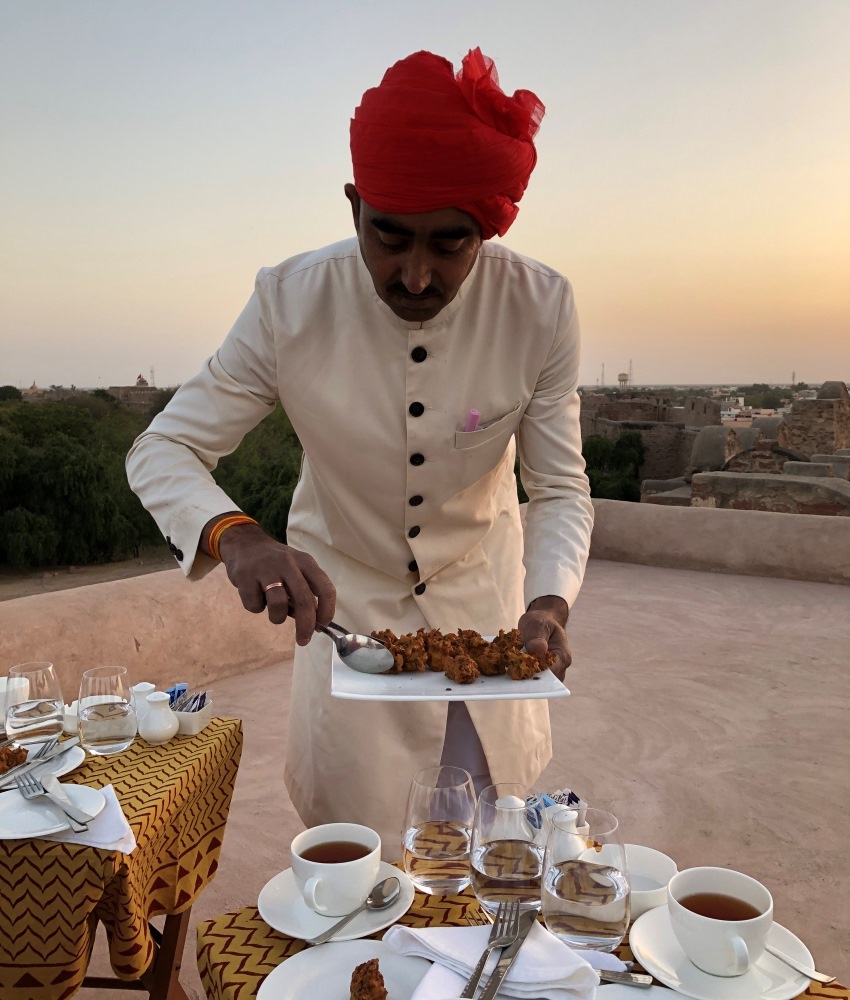
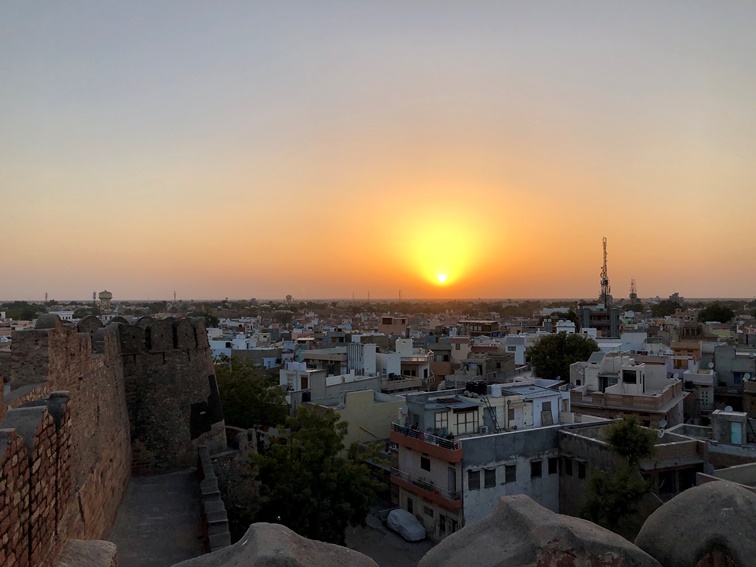
Come dusk, as the sky fades to vermillion and the temperature drops, lanterns flicker to life across the courtyards. The cuisine is proudly Rajasthani, served with warm hospitality and cool lime sodas. In winter, bonfires are lit and traditional musicians play. There is also a Sufi music festival that takes place here every February.
Owned and run by the Mehrangarh Museum Trust, Ranvas is part of a wider conservation project, and it shows. Every brick and faded fresco feels protected. It's a hotel, yes, but also a sanctuary for heritage. Ranvas is perfect for romantic escapists and history-lovers with taste.
Rajasthan may dazzle, but Ranvas beguiles. Nagaur is less frequented by tourists as compared with other cities in Rajasthan, making a night or two here not just worthwhile, but unforgettable. And long after you've left, it stays with you, like dust on your skin.


 Places of Interest
 Accommodation
To my mind, the greatest reward and luxury of travel is to be able to experience everyday things as if for the first time, to be in a position in which almost nothing is so familiar it is taken for granted.
Bill Bryson