+44 (0)20 7819 9770
 info@ampersandtravel.com



Busan
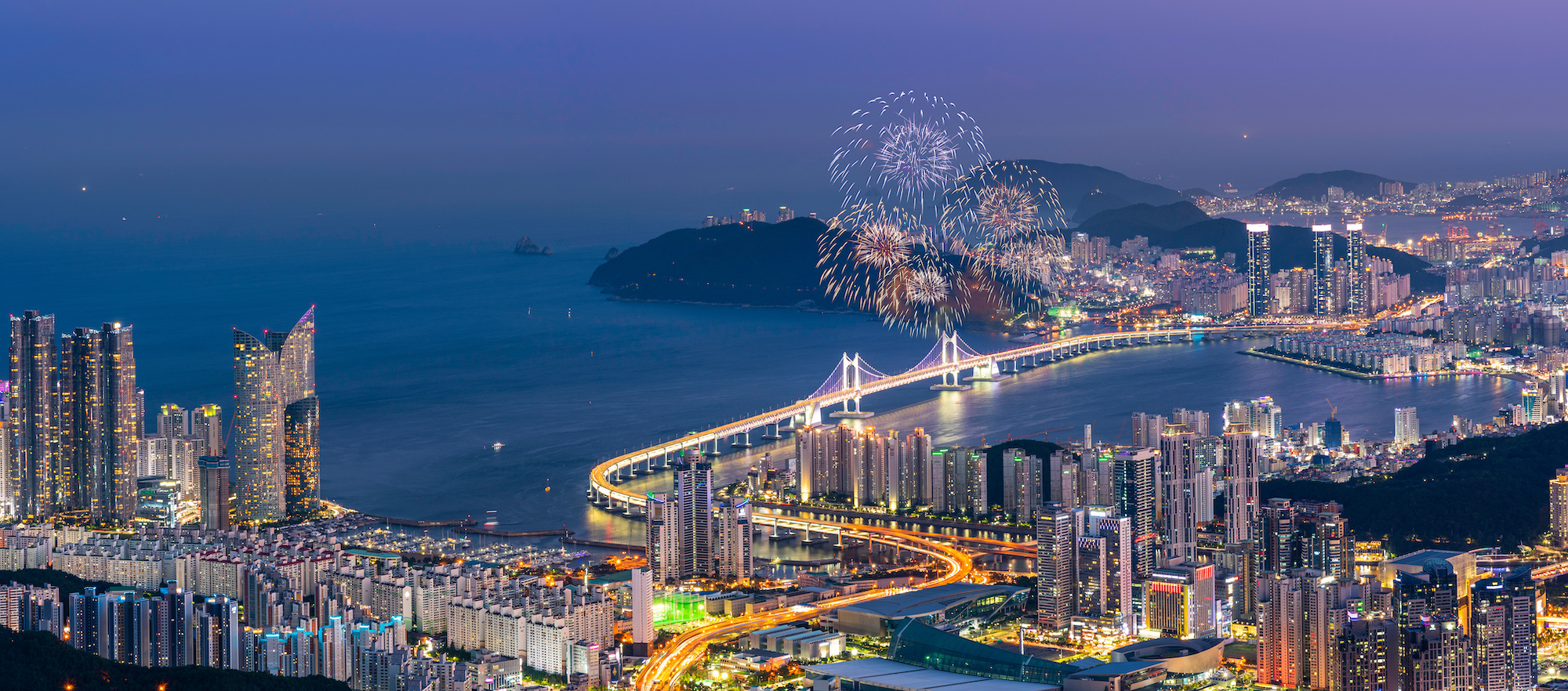
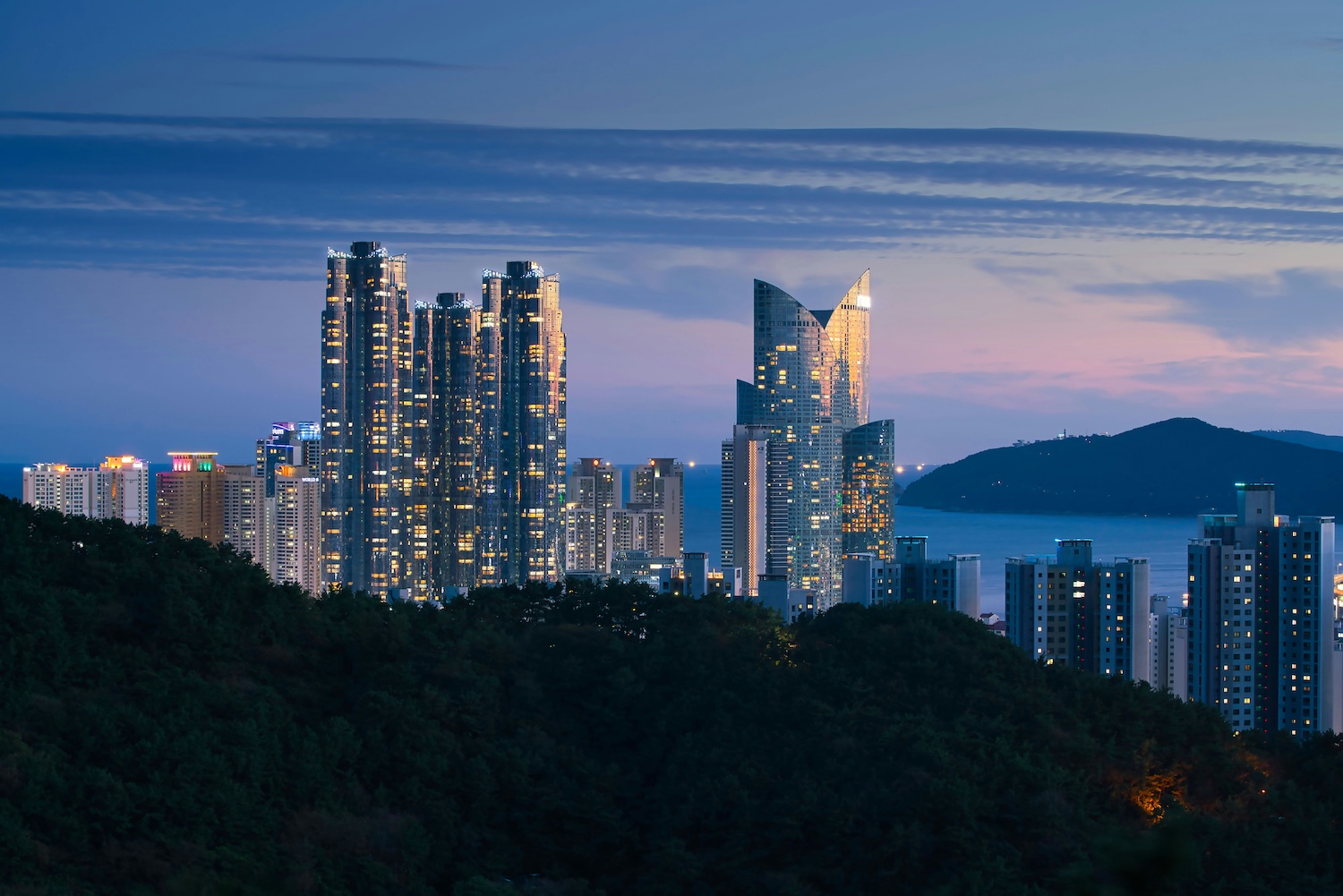
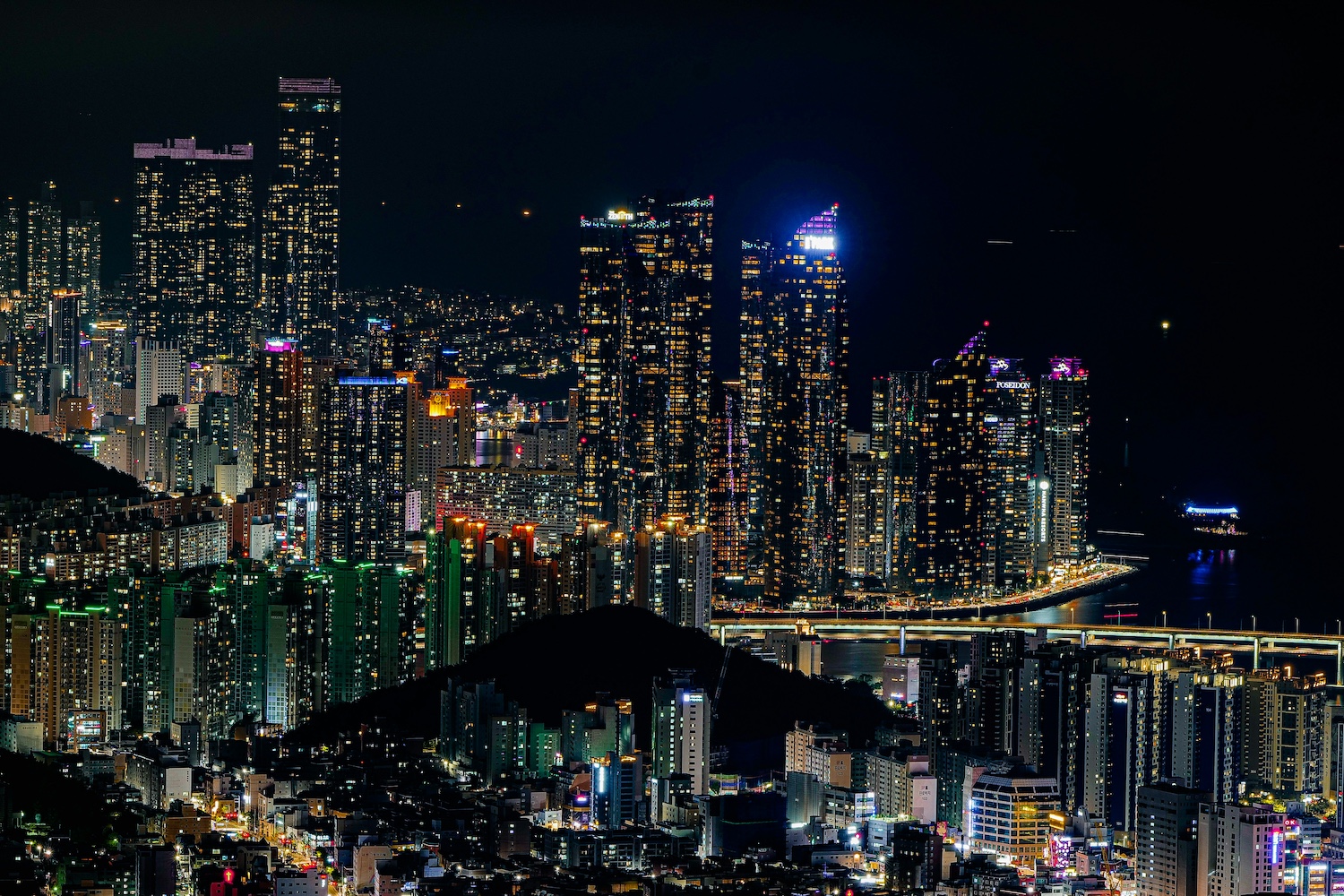
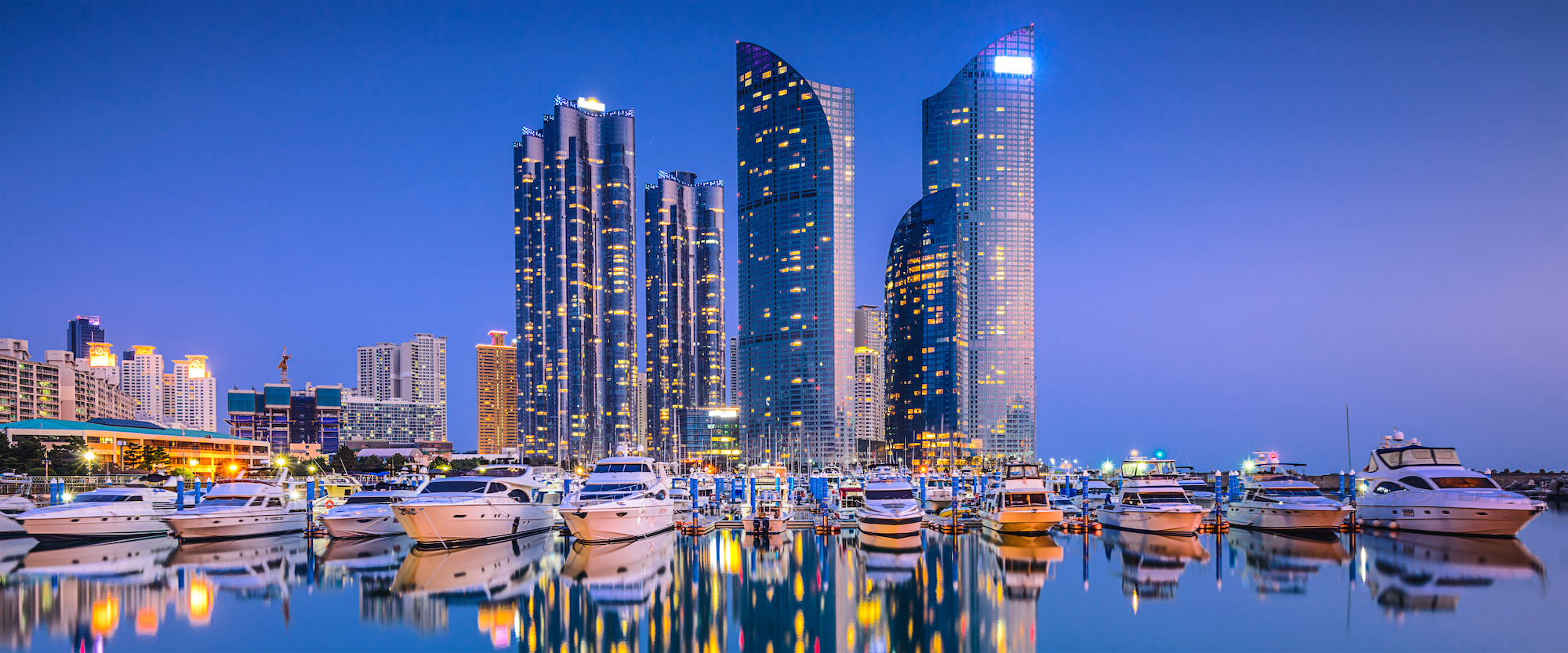
Korea’s second city has a character all its own; more relaxed, more rugged and with a strong maritime soul. Stretching along the country’s southeastern coast, Busan is wedged between steep green mountains and the sea, its neighbourhoods strung like beads along the waterfront. It’s a city of contrasts: old fishing villages sit beside sleek high-rises and ancient temples perch above glitzy beach clubs. The pace here is looser than in Seoul, the mood breezier and locals are quick to recommend their favourite hiking trail, seafood stall or coastal café.
Haeundae Beach is Busan’s most iconic attraction, a wide sweep of sand lined with hotels, bars and street food vendors. On summer weekends, it feels like all of Korea has descended for a quick seaside escape. Yet Busan has plenty of other shoreline gems; Gwangalli Beach is a more laid-back alternative with a view of the illuminated Gwangan Bridge, while Songjeong draws a younger surf crowd. Further afield, you’ll find quiet coves, cliffside boardwalks and small islands just a short ferry ride away.
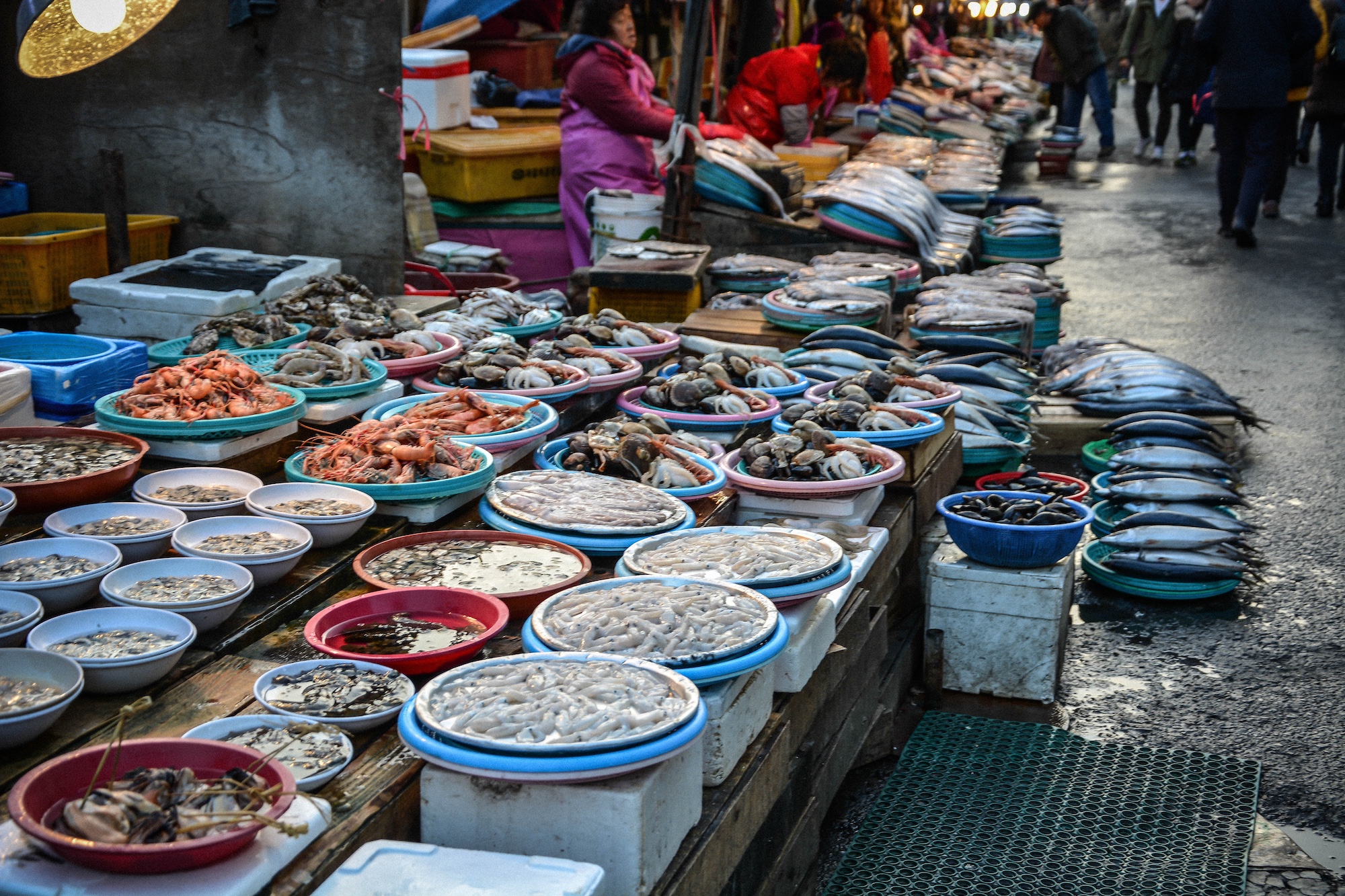
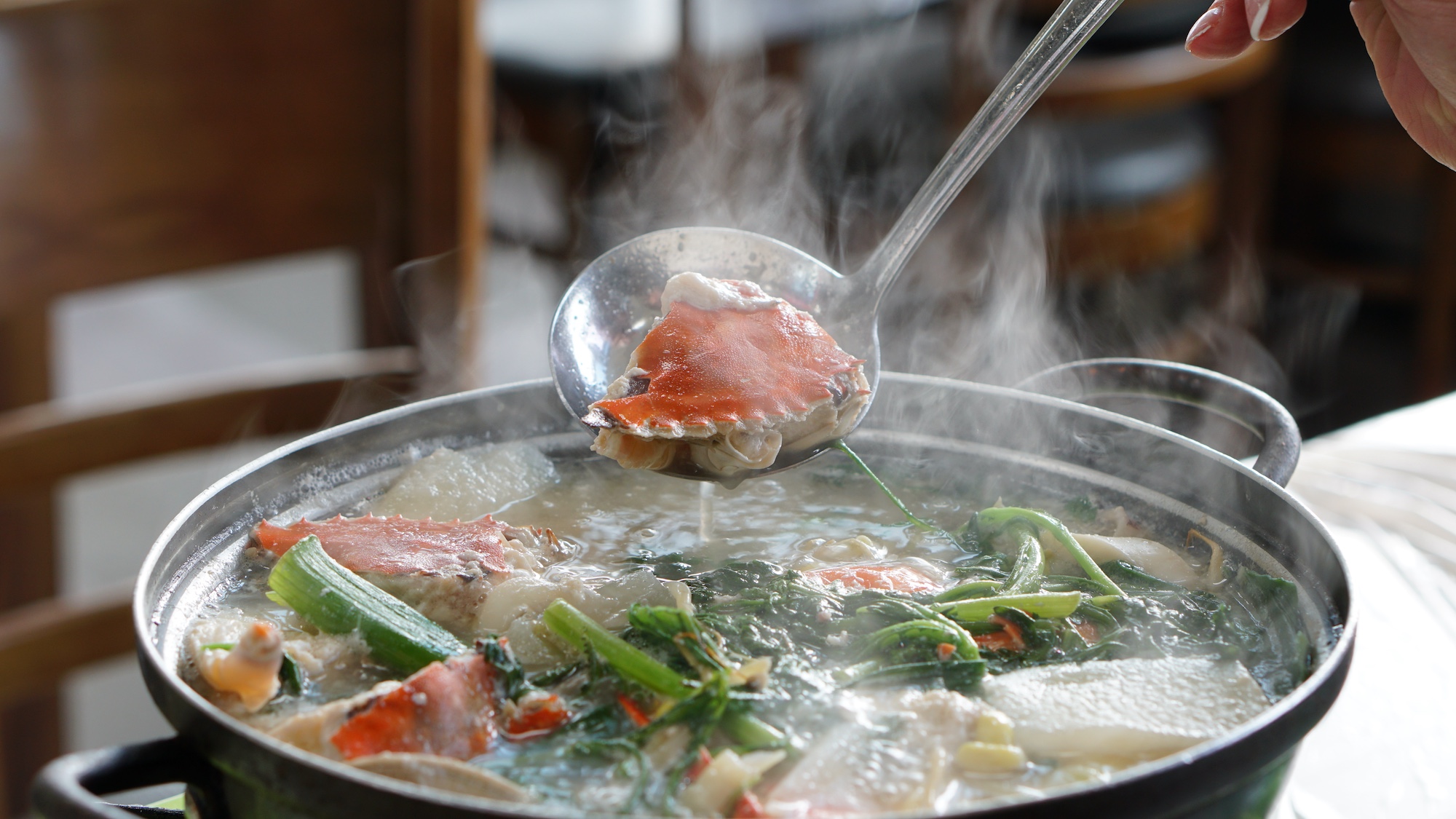
For a different flavour of the city, head inland to Jagalchi Market, Korea’s largest seafood market, where the morning’s catch still wriggles in blue tubs and can be cooked to order upstairs within minutes. The food here is robust, spicy and deeply satisfying. Locals swear by haemul jjigae (spicy seafood stew), grilled eel and mil-myeon, a cold noodle dish created in Busan after the Korean War and still beloved today. Don’t miss ssiat hotteok, a sweet, chewy pancake stuffed with sugar, seeds and nuts, sold from roadside griddles across the city.
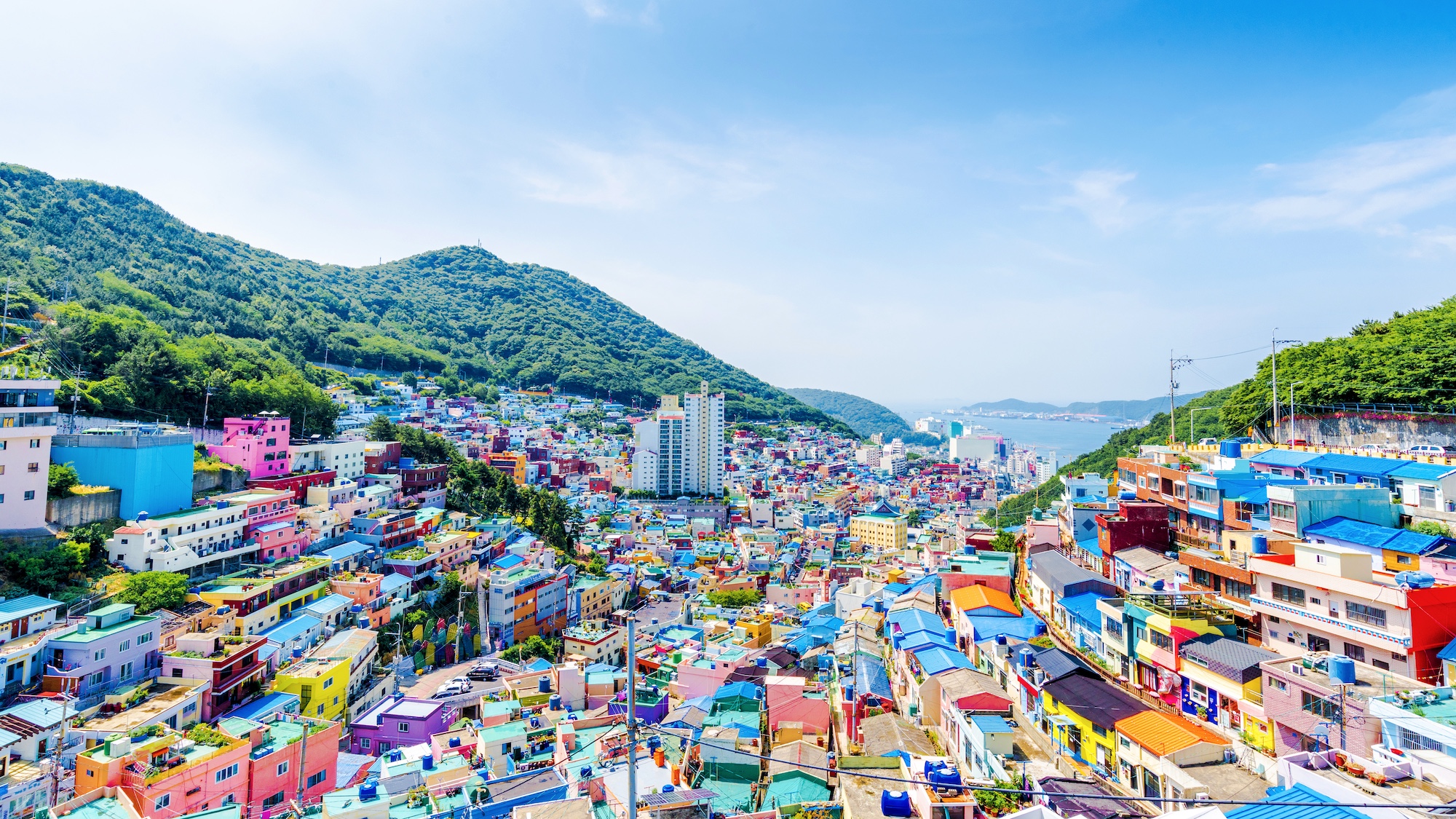
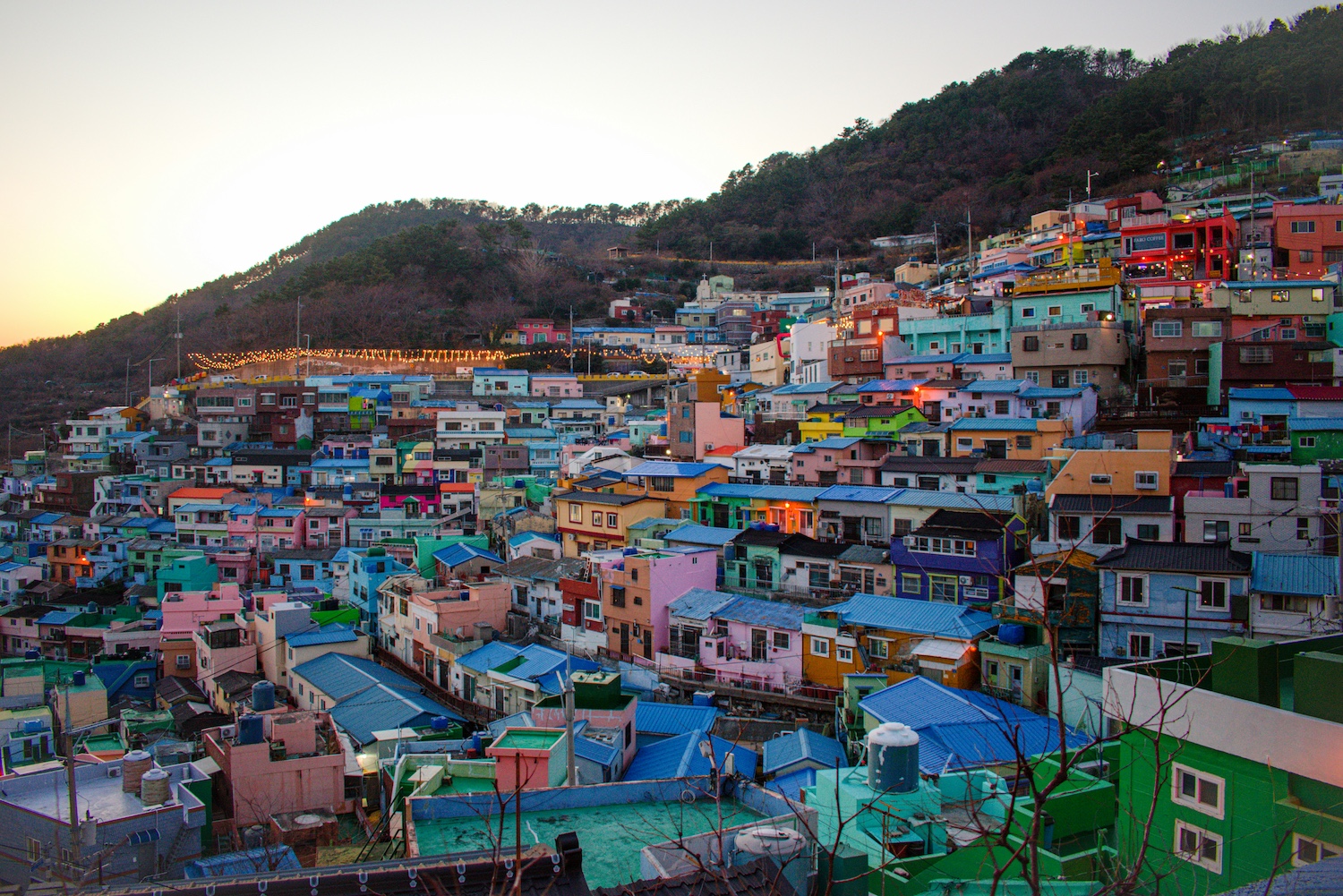
Busan also has a strong creative streak, and the hillside Gamcheon Culture Village is a riot of colour and charm. Once a shantytown for refugees fleeing the war, it has since transformed into a living artwork of murals, staircases and maze-like alleyways. Each autumn, the city hosts the Busan International Film Festival (BIFF), one of Asia’s most important cinematic event, drawing crowds of directors, critics and stargazers to its cinemas and red carpets.
During the Korean War, Busan became South Korea’s temporary capital and a refuge for hundreds of thousands fleeing the north. Those years left an indelible mark on the city, many of its hillside neighbourhoods, including the now-vibrant Gamcheon Culture Village, began as makeshift settlements built by displaced families.
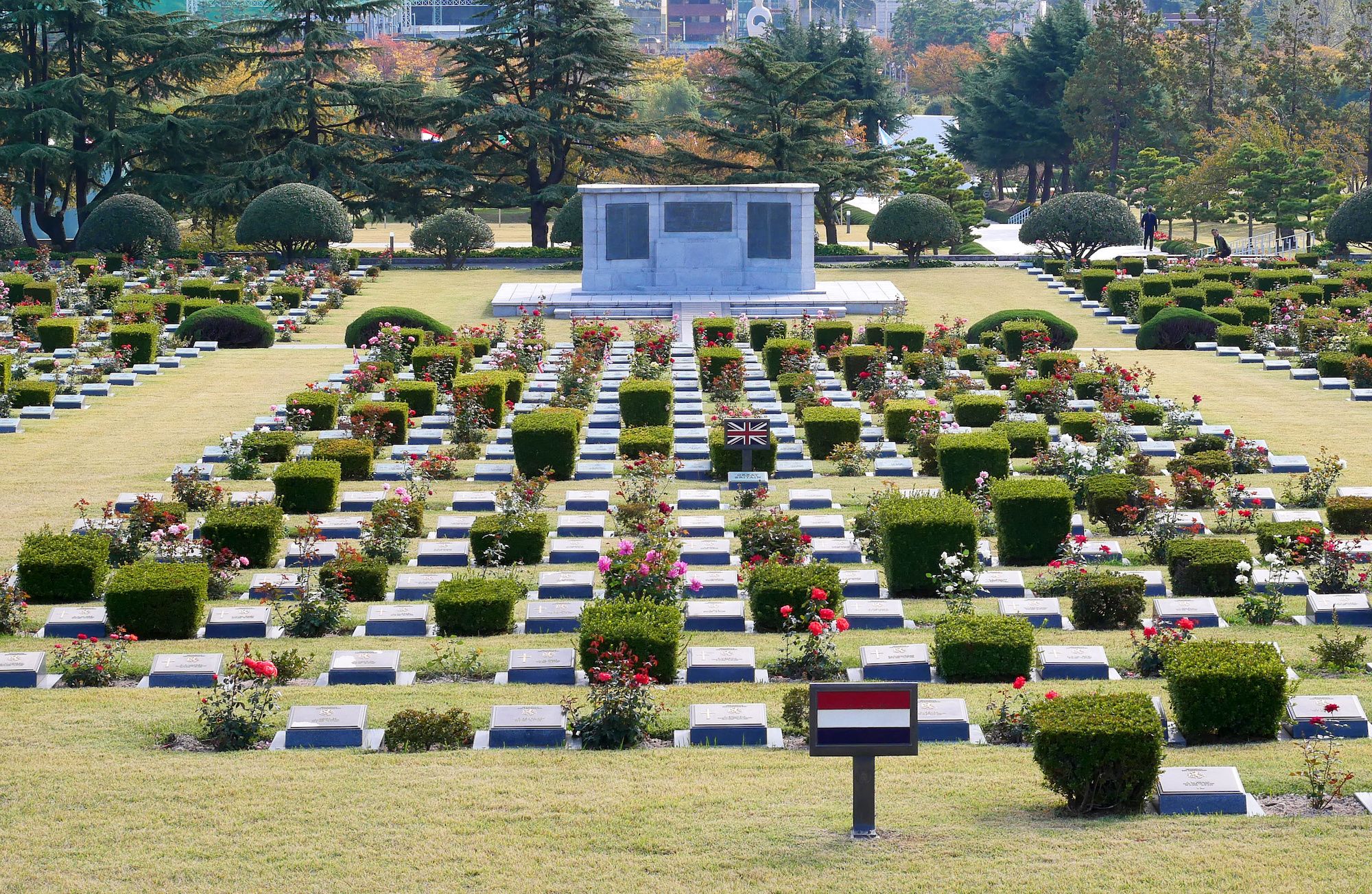
A short distance from the city centre, the United Nations Memorial Cemetery offers a quieter, more reflective side of Busan. Set in peaceful grounds, it is the only UN cemetery in the world and the resting place of more than 2,000 soldiers from 11 nations who fought during the Korean War. It’s a moving and immaculately kept site, a place of remembrance that underscores Busan’s enduring role in Korea’s modern history.
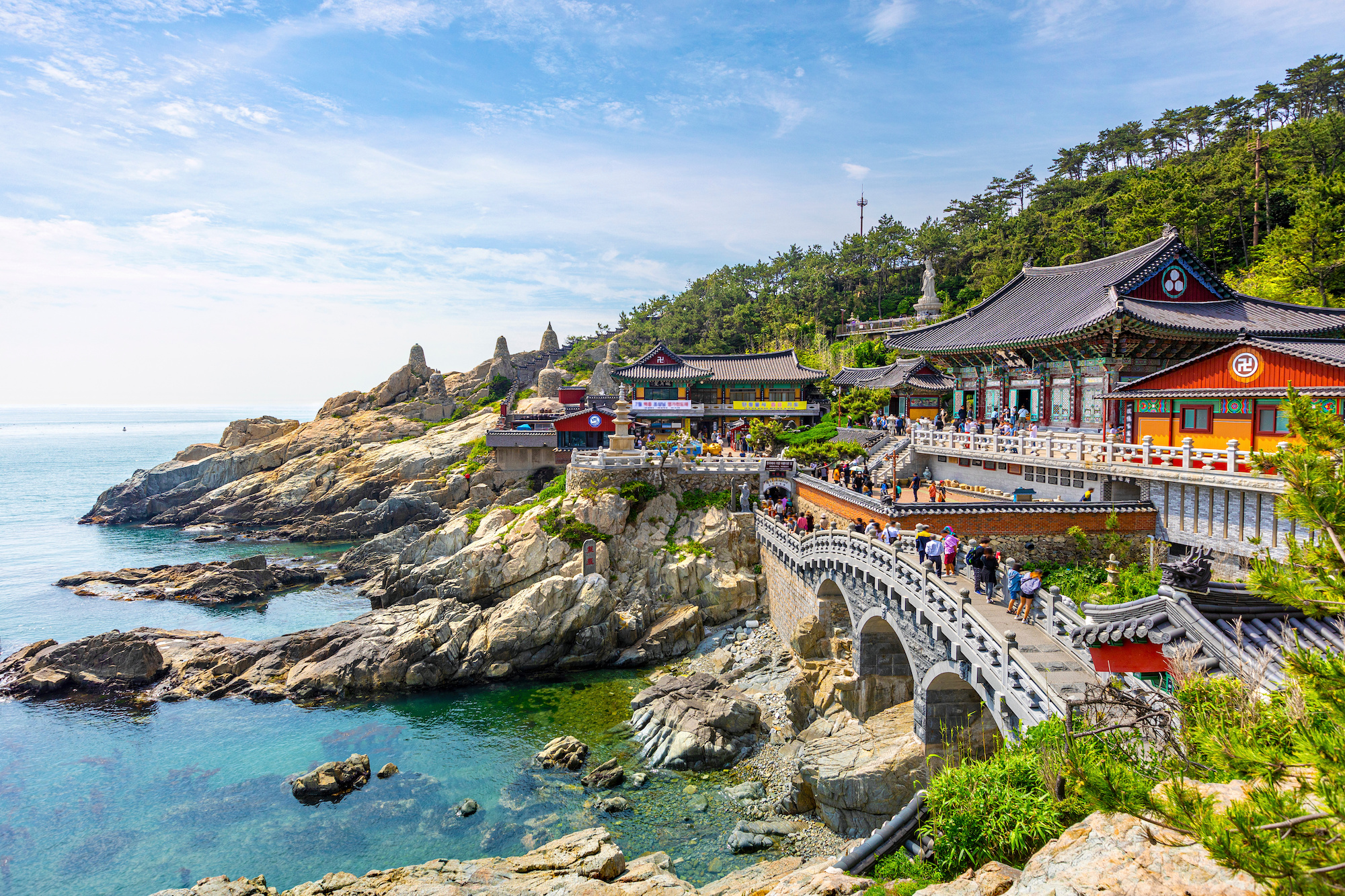
Temples in Busan are as dramatic as the coastline. Beomeosa, high in the forested hills, is a serene refuge, while Haedong Yonggungsa, built on the rocks above the sea, offers sunrise views that feel almost otherworldly. Beyond the city, the surrounding region is rich in hot springs, forest parks and ancient fortress sites, perfect for a day trip or a quiet detour.
Warm, unpretentious and full of soul, Busan is a city where mountains meet the sea, where art mingles with fish markets and where the rhythm of life is just a little bit gentler. It’s Seoul’s sun-kissed southern cousin, and some may say, its more likeable one.


 Places of Interest
 Accommodation
The traveller sees what he sees, the tourist sees what he has come to see.
G. K. Chesterton