+44 (0)20 7819 9770
 info@ampersandtravel.com


Seoul
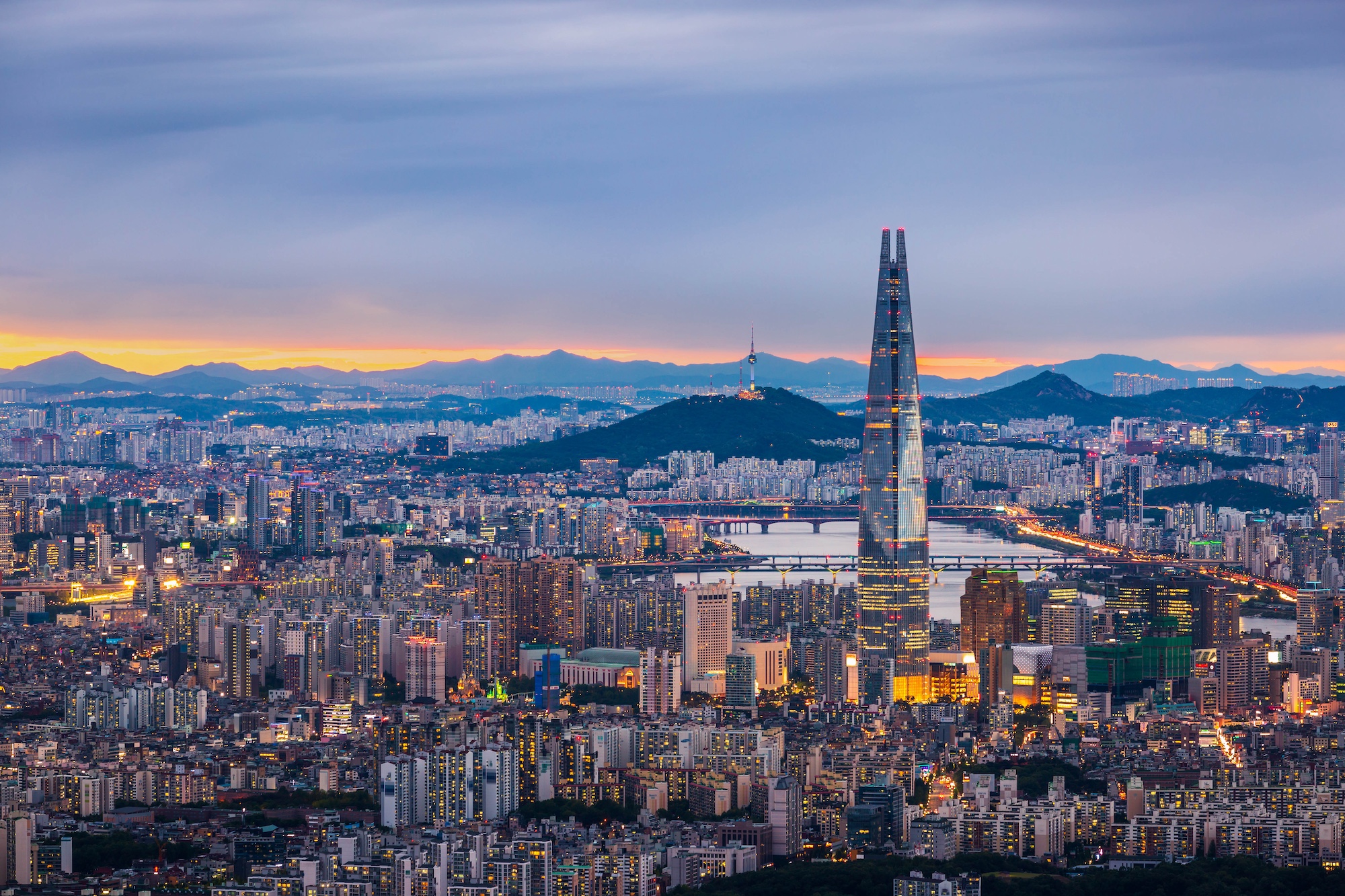
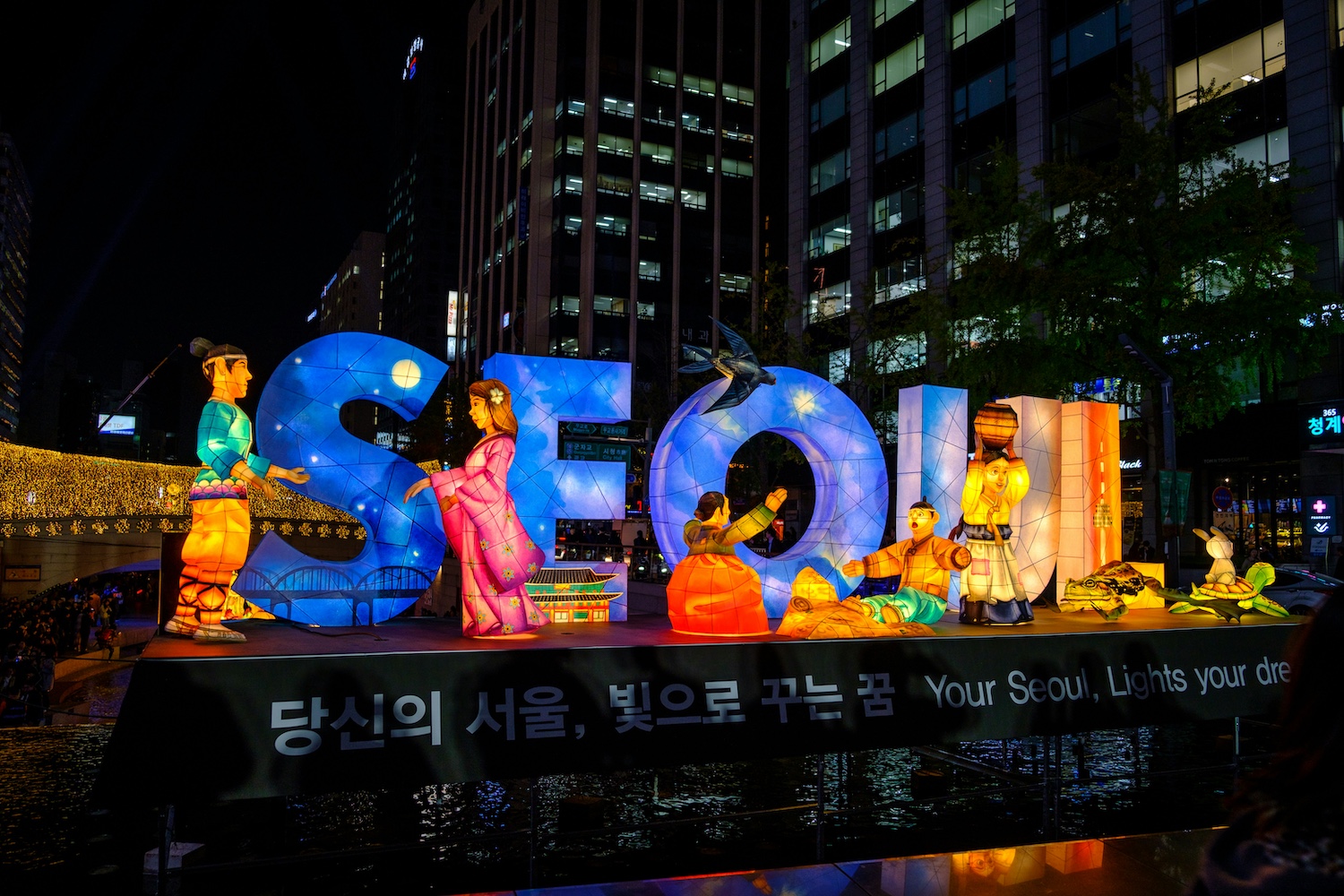
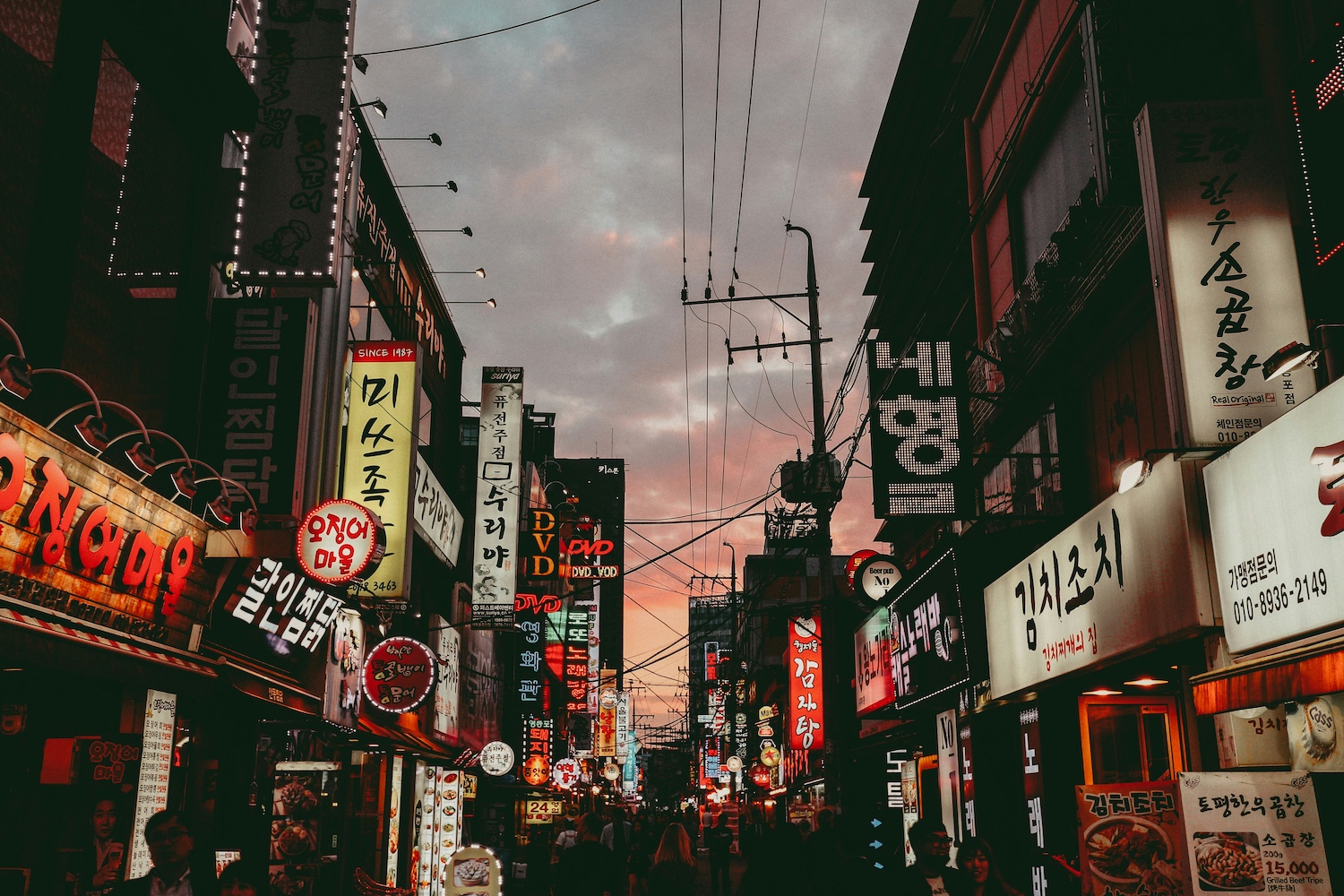
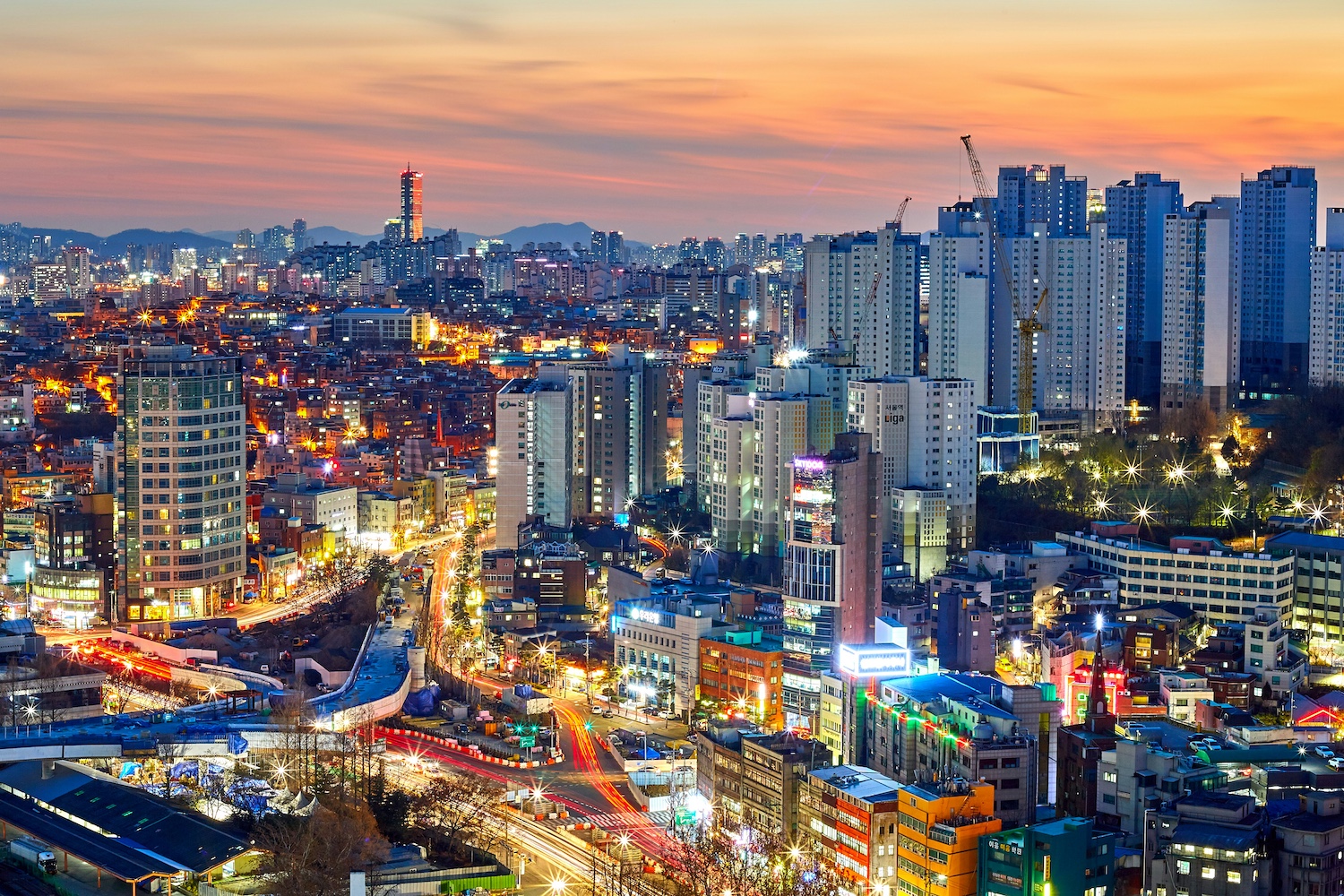
Seoul is energy distilled. This vast, buzzing capital has a skyline that stretches endlessly across the Han River, punctuated by a striking mix of glassy skyscrapers and ancient palace roofs. It’s not a city that reveals itself all at once, at first it can feel like a tangle of neon and noise, but give it time and it unfolds into a vibrant mosaic of contradictions. Sleek design shops stand beside steaming noodle stalls, night markets hum a few blocks from quiet temples, and always, there’s a sense of movement, from the cafés of Hongdae and the luxury boutiques of Gangnam to the art galleries of Samcheong-dong.
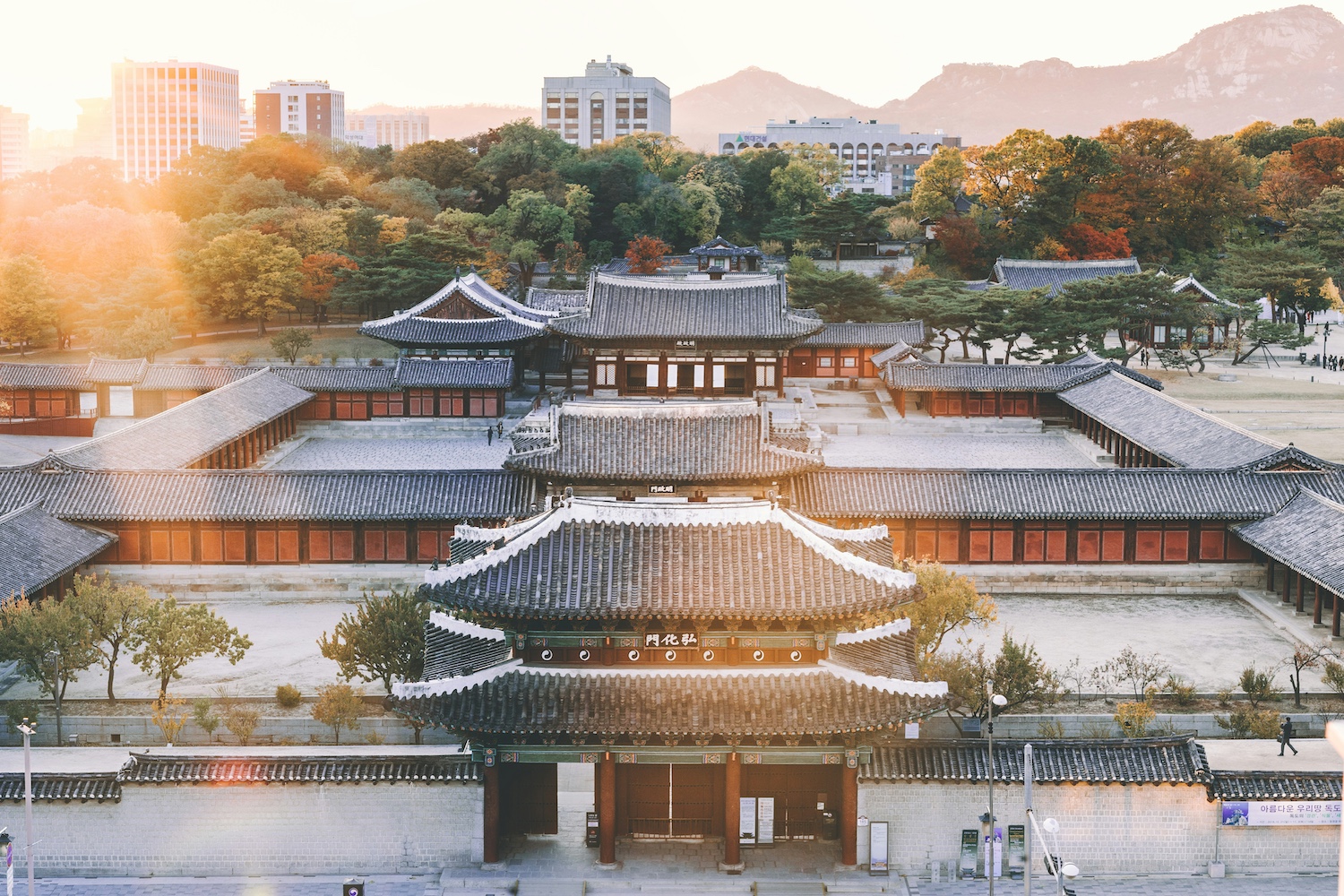
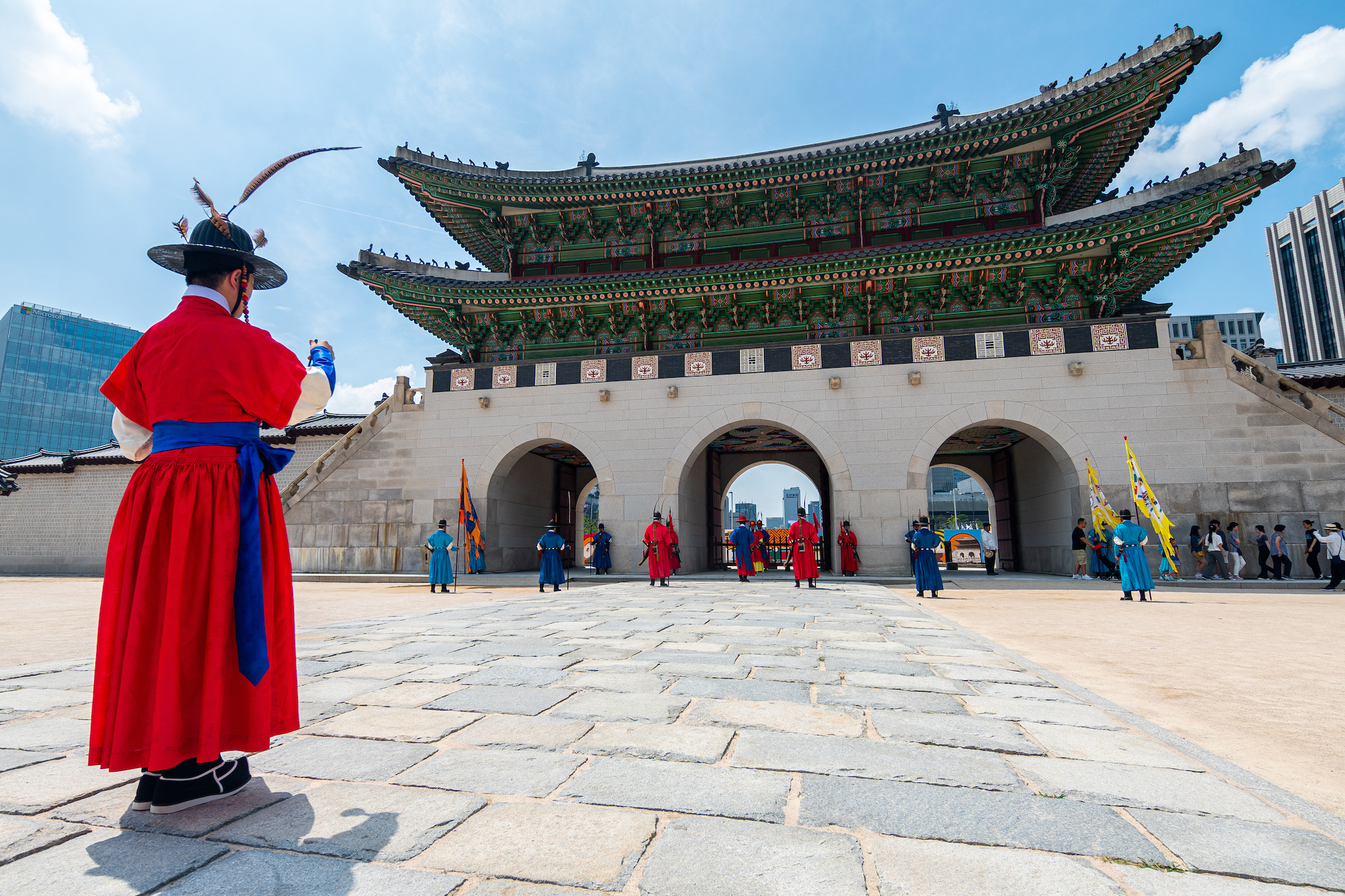
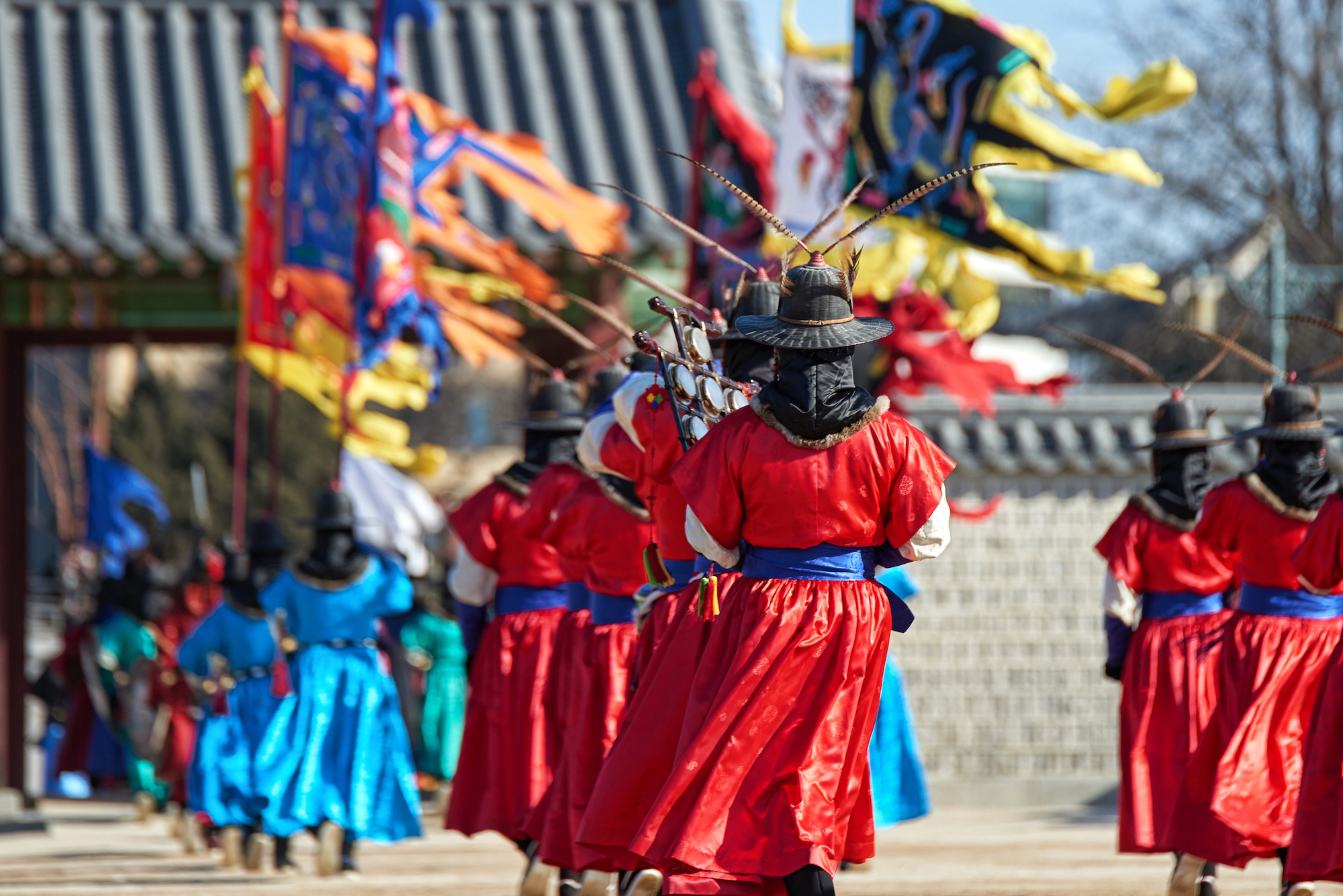
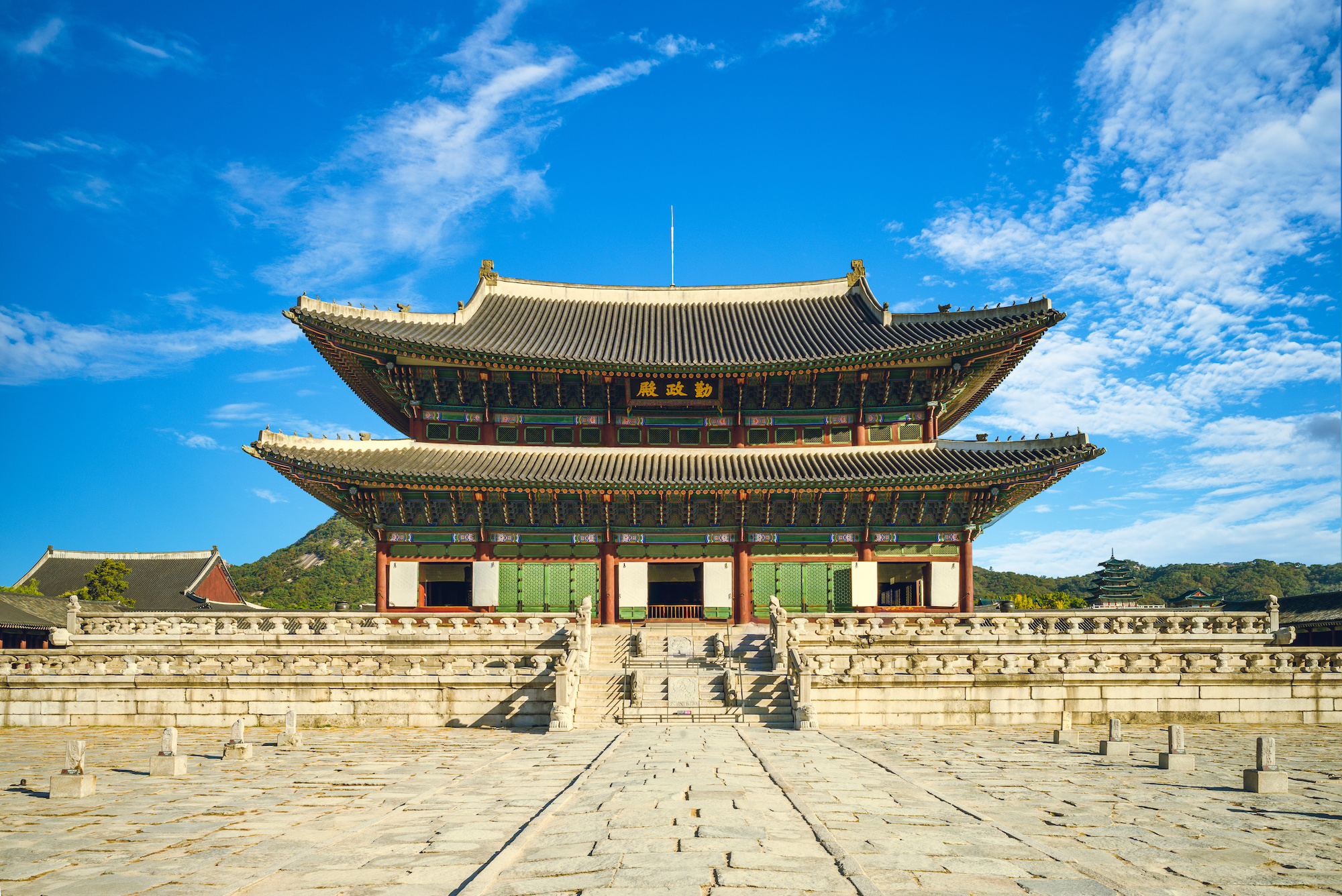
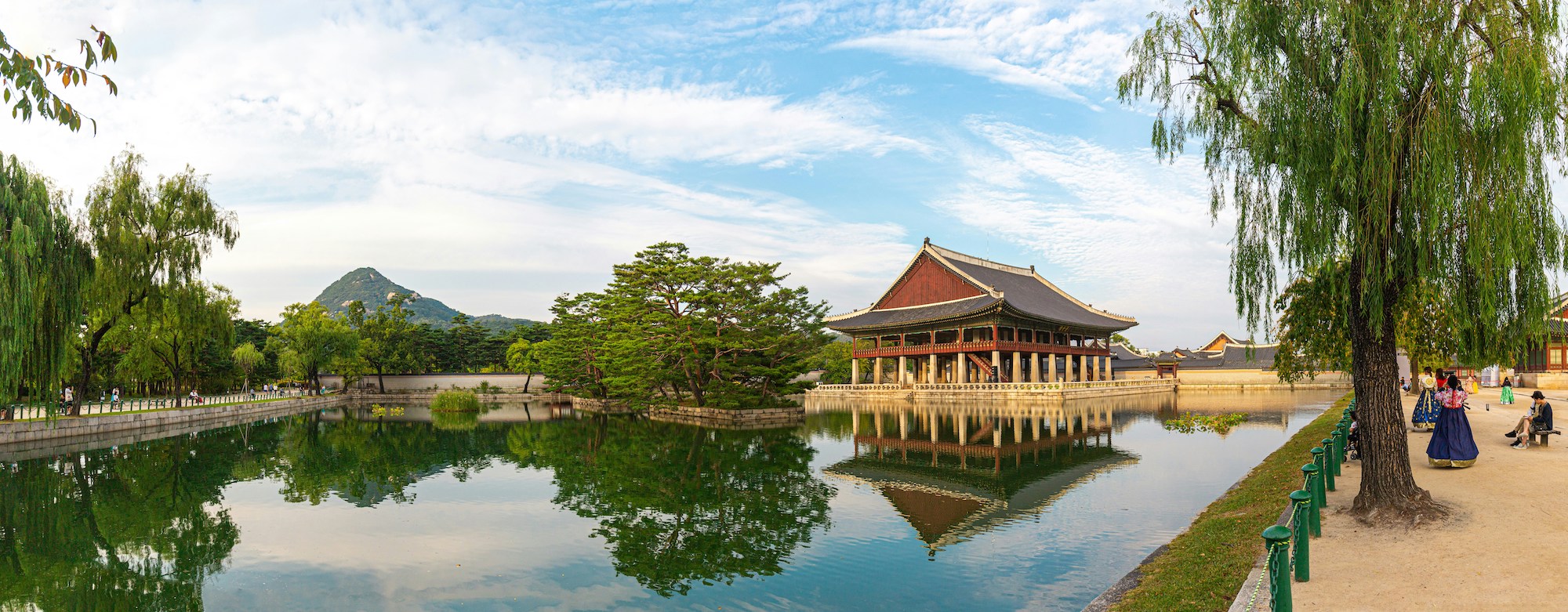
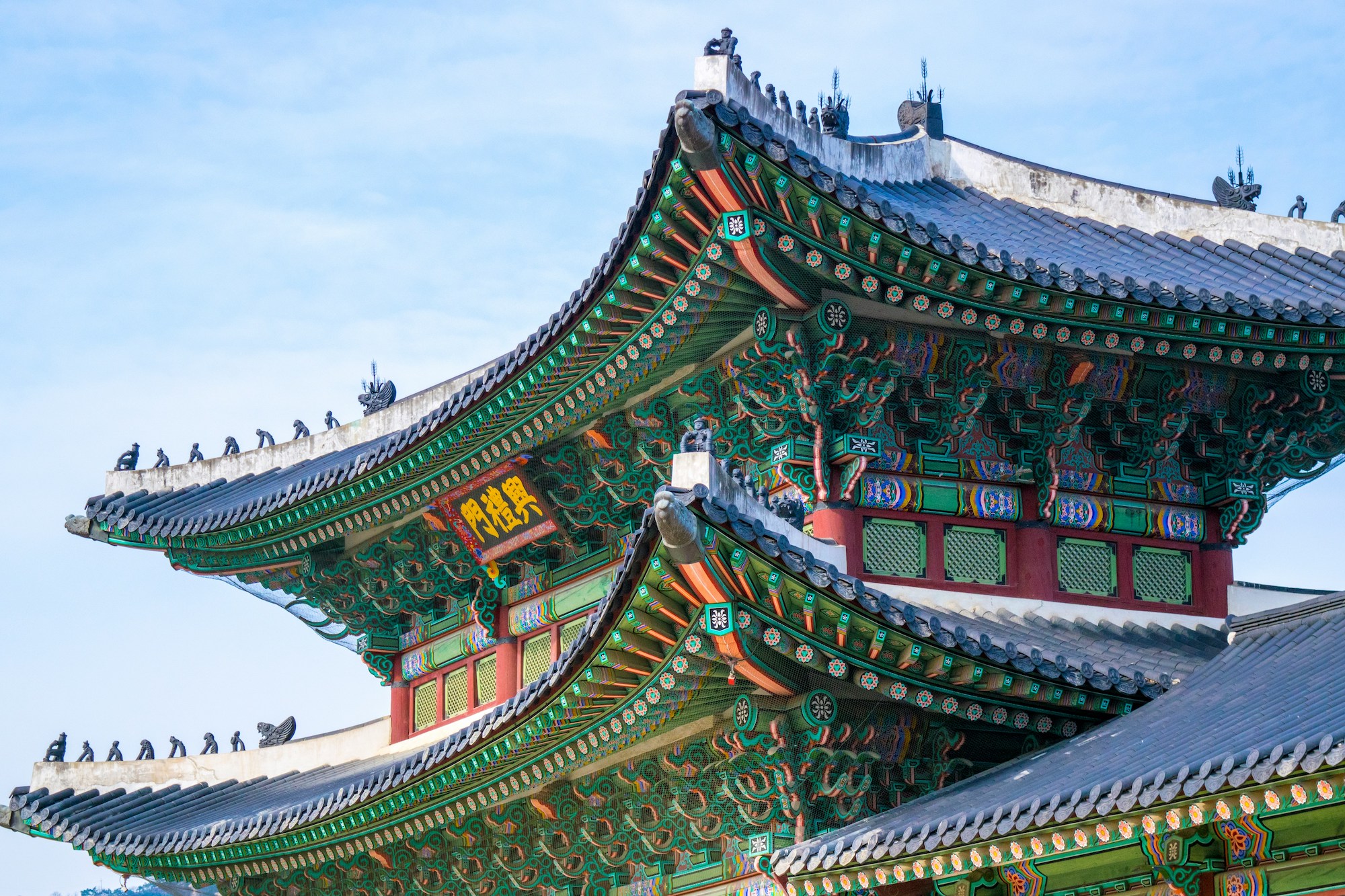
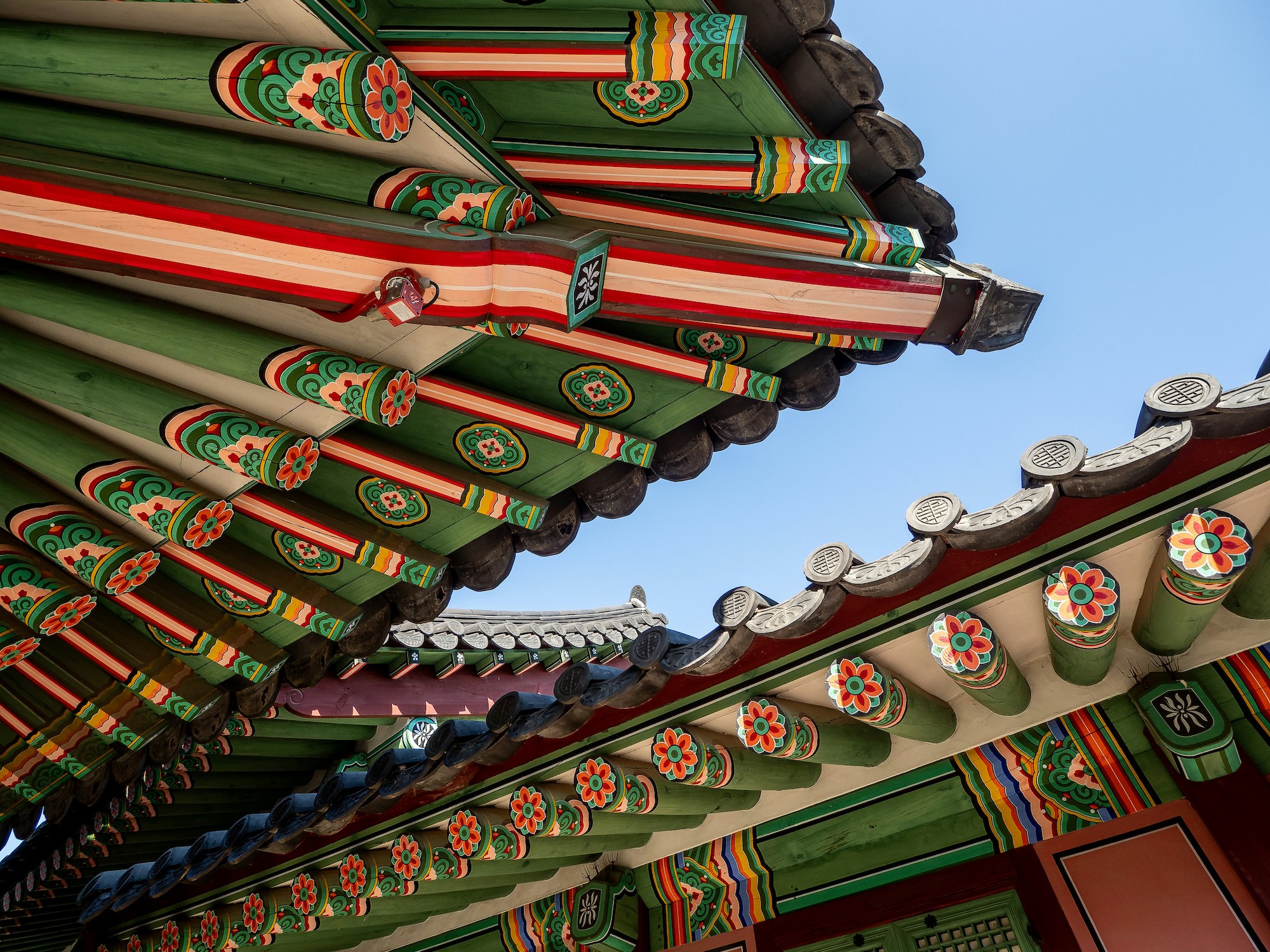
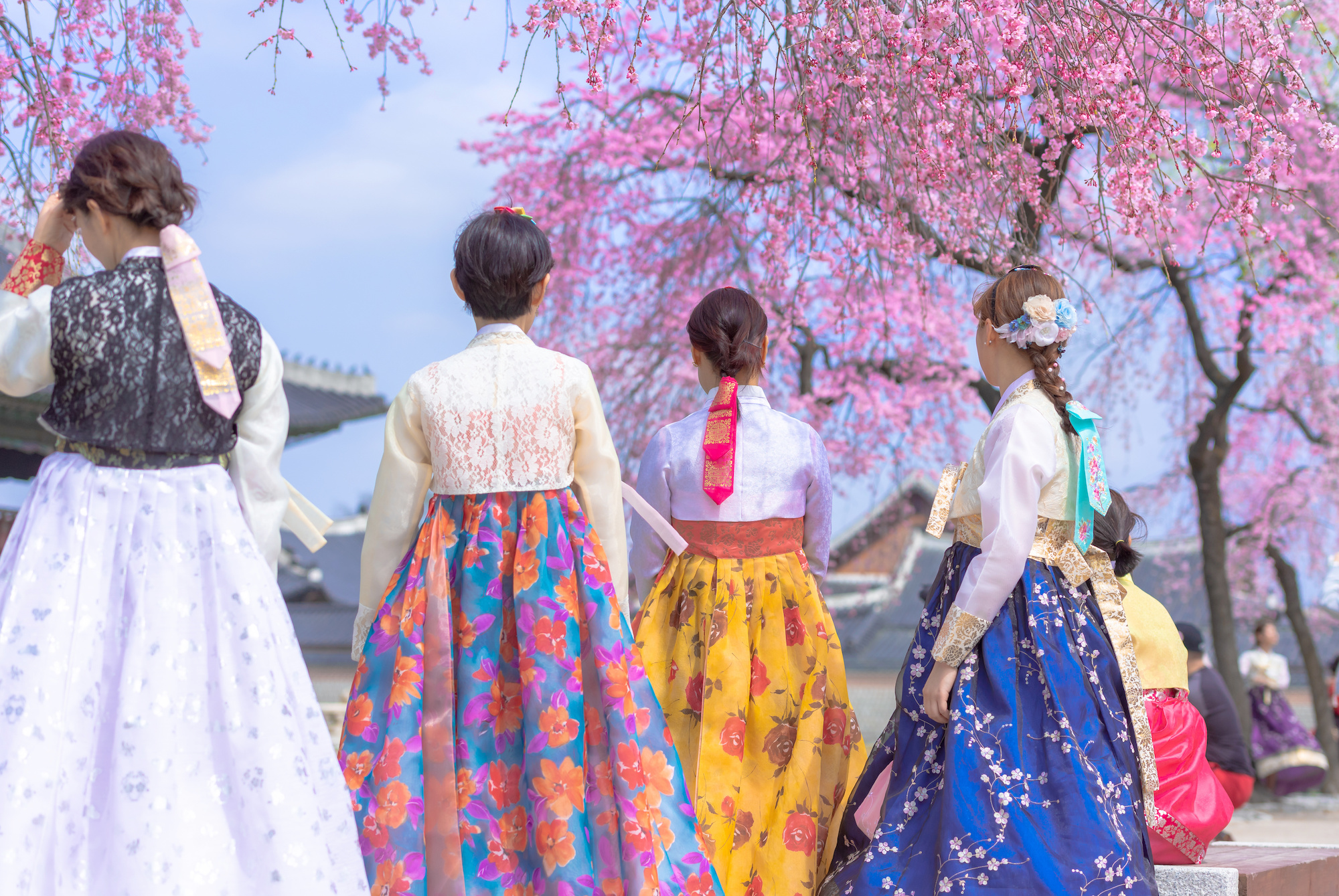
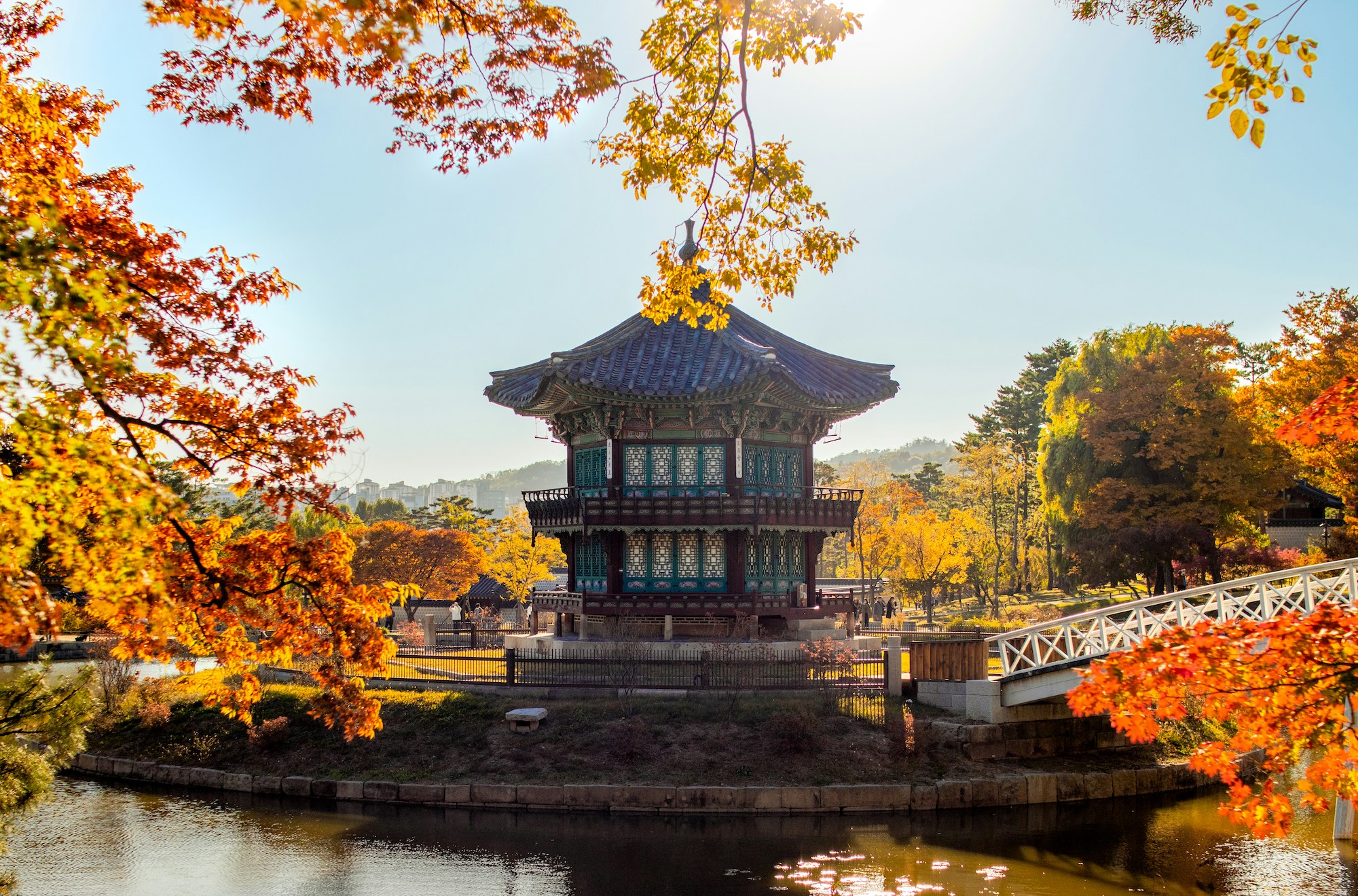
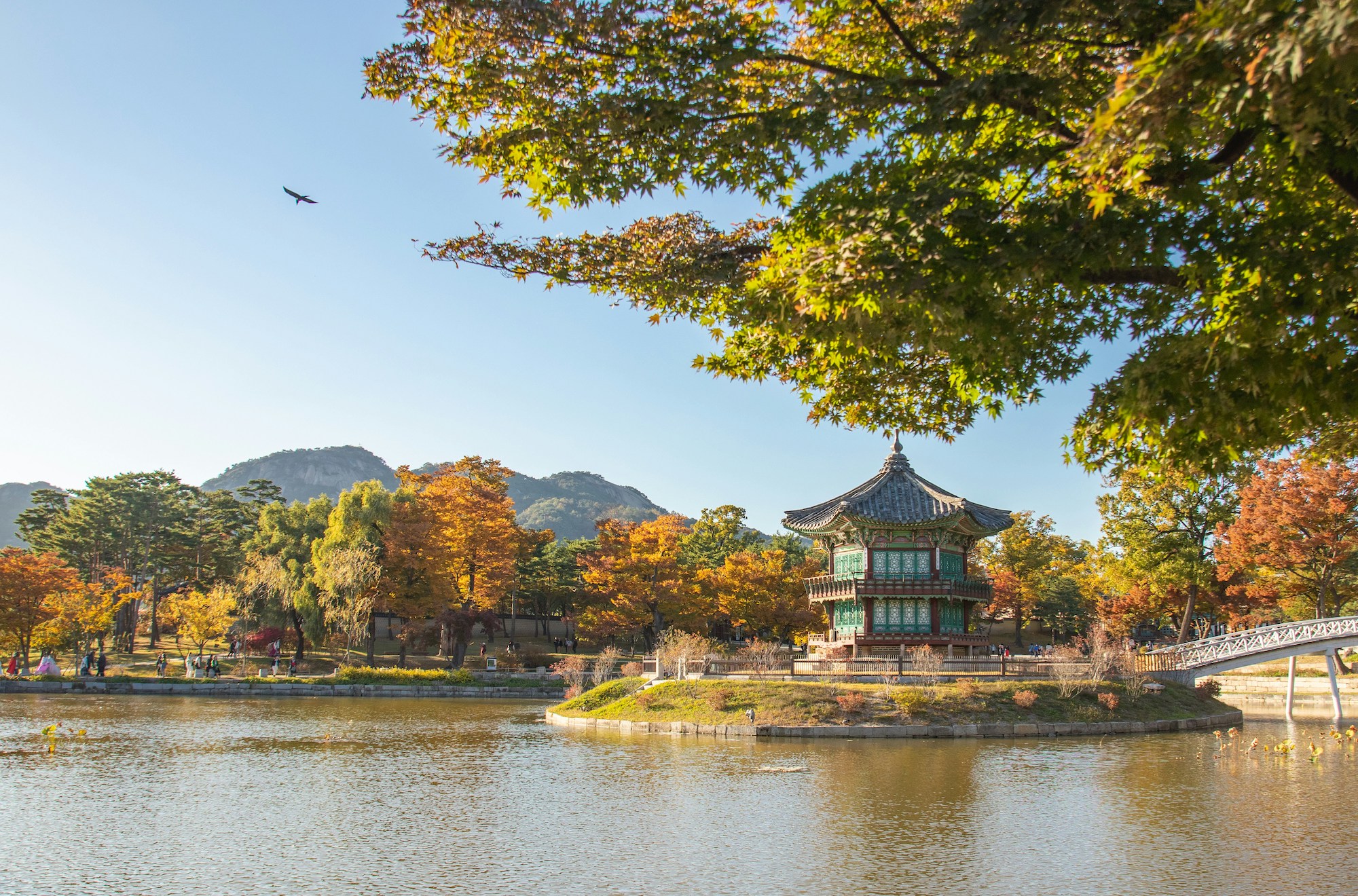
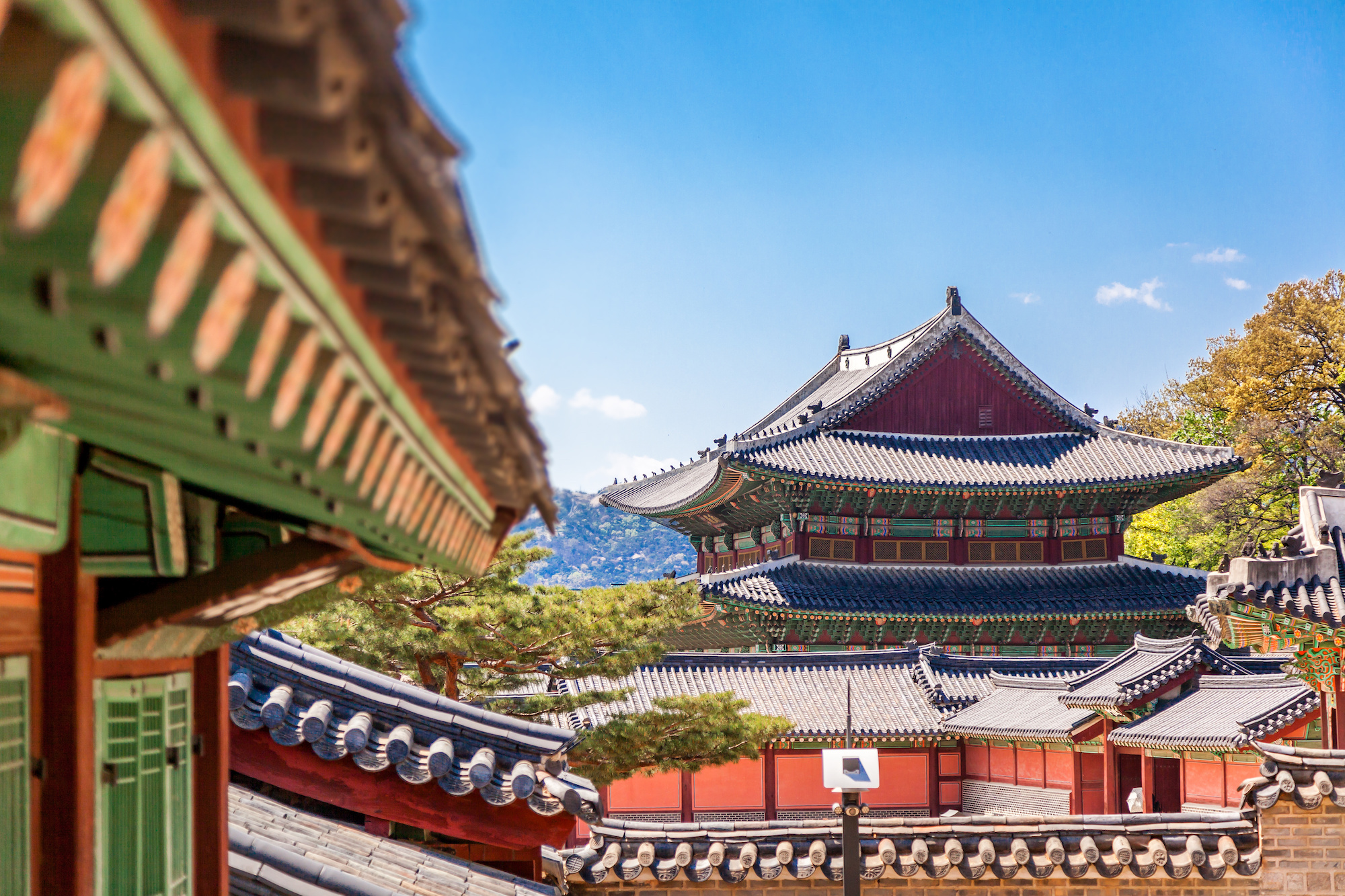
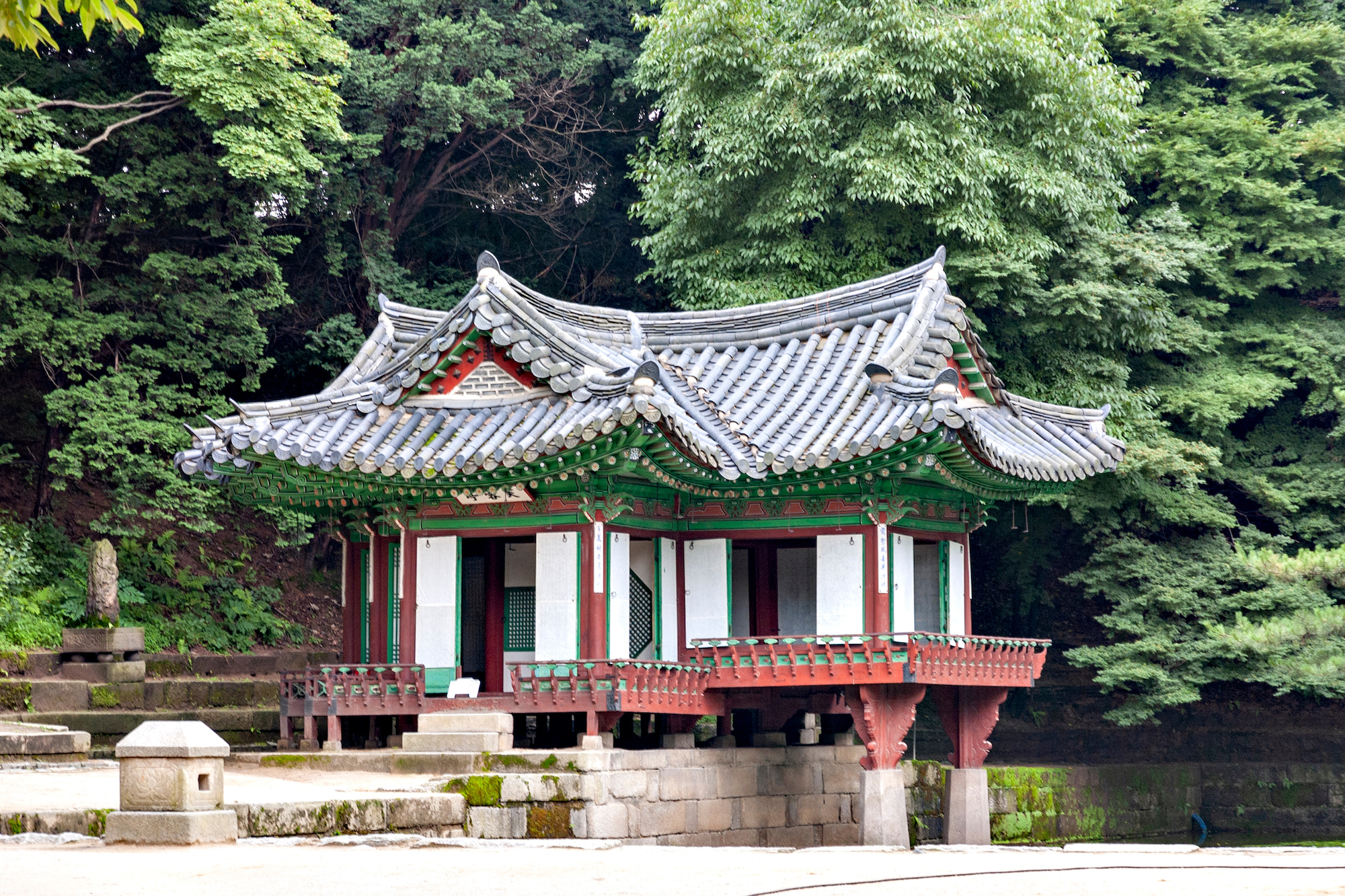
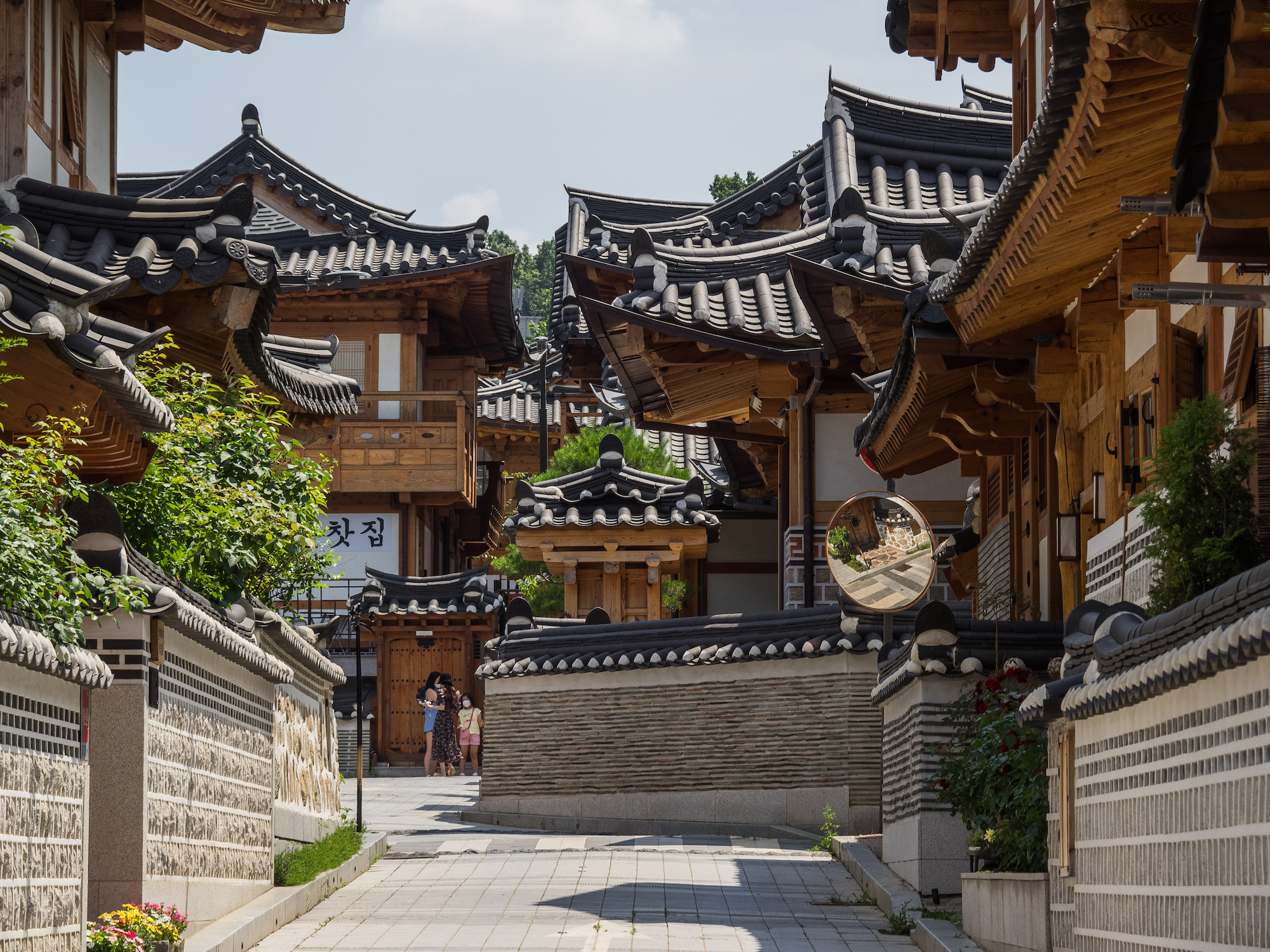
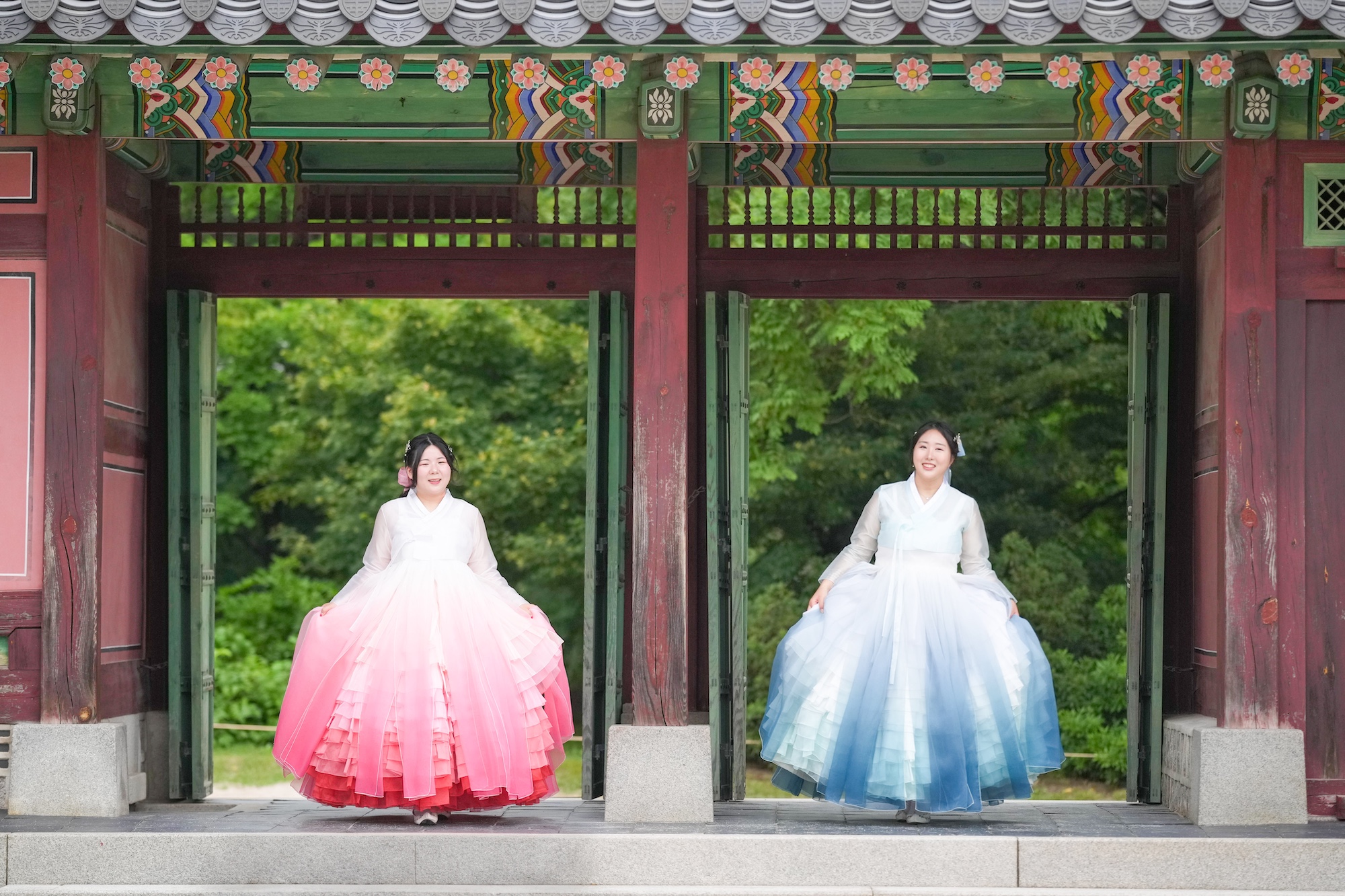
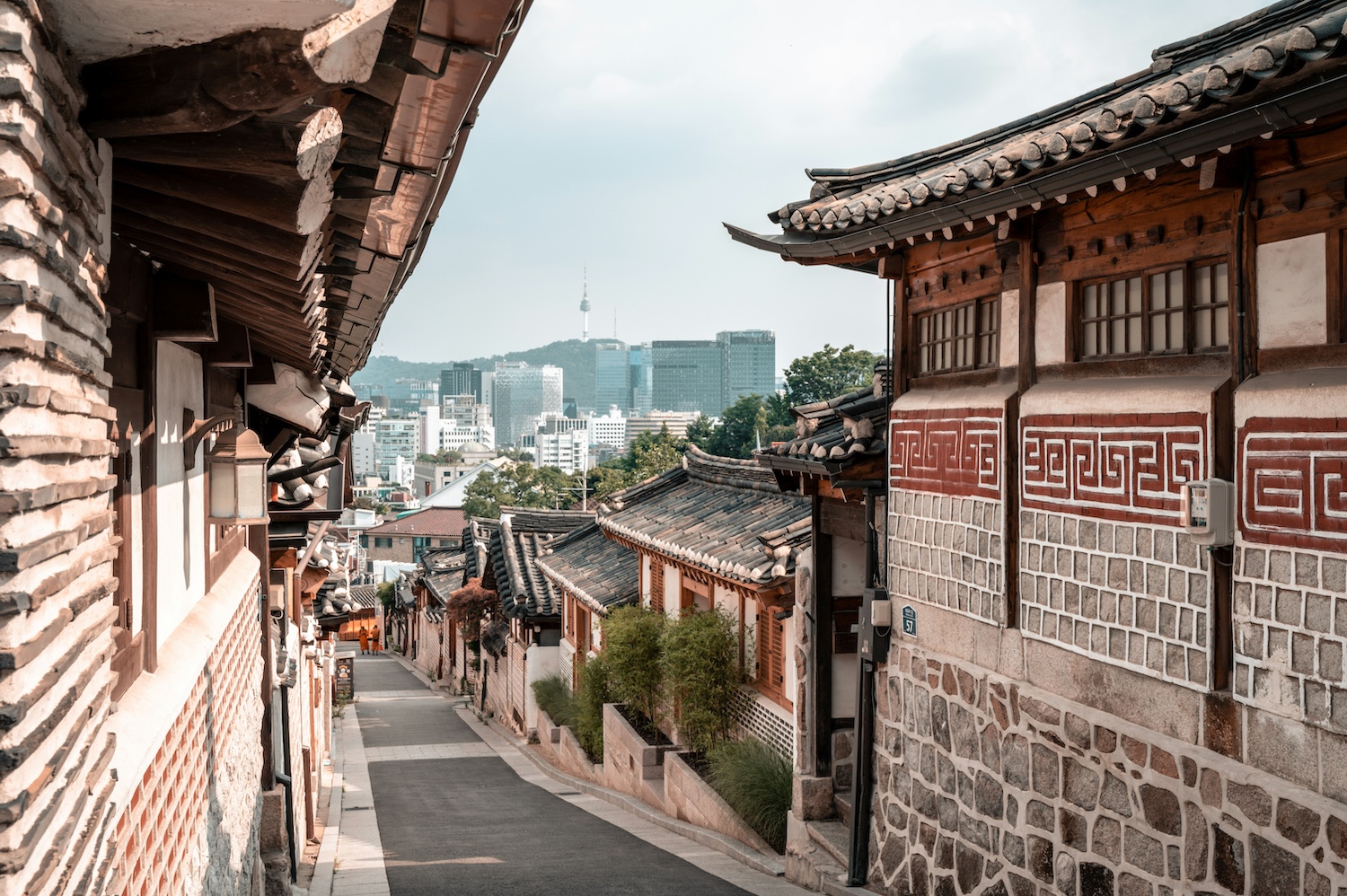
The city’s historic core, anchored by the grand palaces of the Joseon dynasty, is beautifully preserved. At the centre of Gwanghwamun Square, the vast bronze statue of King Sejong the Great (1418-1450) looks out toward Gyeongbokgung Palace, a tribute to the ruler who created Hangul, the Korean alphabet, and ushered in a golden age of art and science during the Joseon dynasty. The impressive Gyeongbokgung and Changdeokgung palaces offer peaceful courtyards and a glimpse into Korea’s royal past, with secret gardends and reflecting pools. It’s also common to see visitors strolling through palace courtyards dressed in hanbok, Korea’s elegant traditional attire, its bright silks lending colour and grace to the city’s historic centre. Bukchon Hanok Village preserves winding alleyways of traditional homes, some now housing craft shops, art studios or small teahouses. Seoul’s traditional artistry endures in its workshops and markets; in small studios and family-run workshops around Bukchon and Insadong, artisans continue traditional arts such as gold leaf gilding, maedeup (ornamental knotting) and hand-carved lacquerware.
Green spaces like the forested slopes of Namsan Mountain or the landscaped paths along the Han River offer fresh air and a slower pace. As evening falls, the city transforms again, whether through the glittering skyline viewed from a rooftop bar, felt in the pulse of a live performance in Daehangno, or savoured over a slow meal of grilled pork belly with ice-cold soju in a tucked-away alley. Yet Seoul is equally cutting-edge; home to the world’s fastest internet, a thriving design and fashion scene and a tech-savvy population that moves fast and dresses impeccably. Nowhere is Seoul’s forward momentum more visible than in Gangnam, a district that captures the city’s appetite for design, technology and reinvention, where global giants like Samsung sit alongside sleek galleries and concept stores.
And then there’s the food, the heartbeat of the city. An endless array of stews, sizzling barbecued meats, fermented banchan and bubbling hot pots are served everywhere from tiny alleyway diners to Michelin-starred restaurants. Korean barbecue is just the beginning, beneath the surface lies a deeply layered culinary culture shaped by geography, history and seasonality. From temple cuisine prepared by Buddhist monks, to the multi-course elegance of royal court dishes from the Joseon era, or the bold fusion menus crafted by the city’s new generation of chefs.
Seoul’s story is one of remarkable resilience. Much of the city was left in ruins after the Korean War, yet within a few decades it had rebuilt itself into one of Asia’s most dynamic capitals, where tradition and innovation coexist with astonishing ease. It is fast-paced, fascinating and, once you tune into its rhythm, surprisingly addictive.
Features in the following itineraries


 Places of Interest
 Accommodation
The traveller sees what he sees, the tourist sees what he has come to see.
G. K. Chesterton