+44 (0)20 7819 9770
 info@ampersandtravel.com

"Coolcations": Travelling in the Off & Shoulder Seasons
Whether travelling in Asia or Southern Africa, there are destinations where visiting in the ‘off’ or ‘shoulder’ seasons reveals a completely different - and sometimes superior - experience.
Cooler temperatures, fewer visitors and distinctive seasonal patterns often bring out positive attributes of a destination that can remain hidden during peak months.
Also, the “best seasons in which to travel” have traditionally been based on long-established weather patterns, many of which are now shifting, making off and shoulder-season travel increasingly relevant.
Below, we’ve highlighted four regions that offer compelling reasons to travel when the crowds have eased and you can have the place almost to yourself.
1. Ladakh, India
For travellers seeking a genuinely unique summer holiday, Ladakh is one of our favourite contenders.
Situated on the Tibetan Plateau and framed by snow-capped Himalayas, the region is defined by stark mountains, ancient monasteries and rarefied high-altitude light.
Summer opens up the mountain passes that are otherwise closed due to heavy snow and ice, making it one of the only times of year when Ladakh is fully accessible - and comfortable - to visit.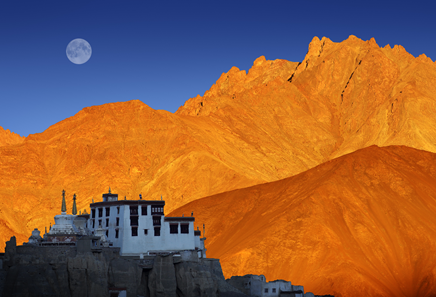
Days are spent visiting villages that remain almost unchanged from previous centuries, exploring Tibetan Buddhist monasteries such as Thiksey and Hemis, or travelling across dramatic landscapes that shift from deep river valleys to high desert plains within hours.
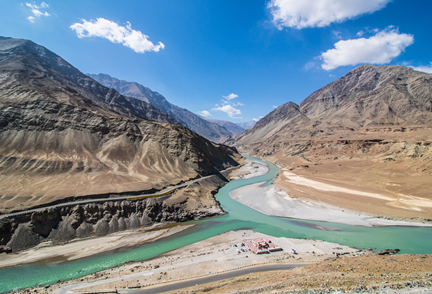
Ladakh also offers a notably diverse range of accommodation. Shakti’s village properties allow for quiet stays within local farming communities, while retreats like Nubra Organic Retreat place travellers close to the valley’s shifting dunes and high-altitude landscapes. In Leh, The Grand Dragon offers the region’s most reliable comforts, framed by wide Himalayan views.
For those looking to escape the European summer - and the crowds that come with it - Ladakh offers a distinctive alternative: spacious, high-altitude landscapes combined with deep cultural heritage.
2. Bhutan
Bhutan’s summer months sit just on the edge of the monsoon, creating a shoulder season that feels particularly rewarding. The valleys are at their greenest, the air is scented with pine, and the country’s network of trails becomes especially inviting.
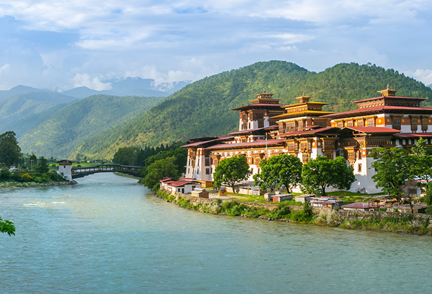

Spend time exploring dzongs, forested monastery paths and local villages where agricultural life follows long-established patterns.
Properties such as Amankora, Six Senses and Gangtey Lodge offer wide views across lush hillsides and traditional rural scenes, alongside impressive wellness offerings and Bhutanese cuisine.
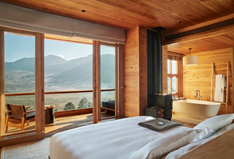
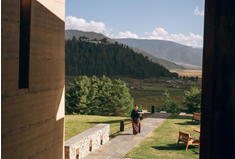
For those seeking cultural depth and open landscapes, without winter’s cold or autumn’s crowds, summer in Bhutan offers a great alternative
4. Western Cape, South Africa
European summer corresponds to winter in the Western Cape, a season that feels markedly different but wonderfully atmospheric.
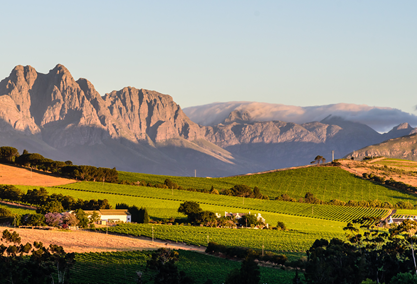
Clear, cool days highlight the beauty of the region’s vineyards, mountain ranges and coastal areas, while the seasonal lull brings a calm, unhurried quality to daily life.
The Western Cape’s winter is also one of the best times for whale-watching along the coast, with sightings just offshore from Hermanus and De Hoop.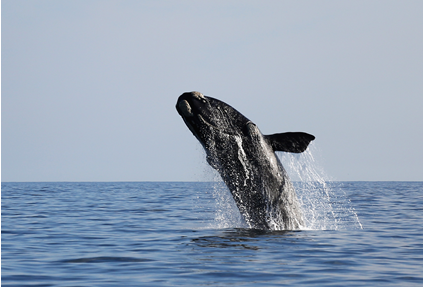
This is also the moment when the Winelands feel most accessible. In peak summer, reservations at leading restaurants and estates can be booked out months in advance; in winter, travellers can enjoy fine-dining, cellar tastings and chef-led seasonal menus without the usual crowds.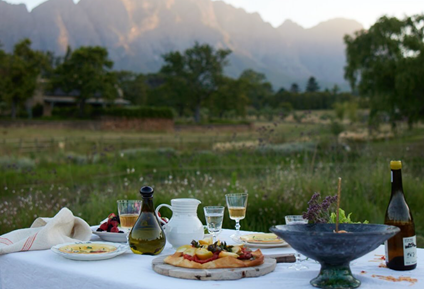
Sterrekopje remains a year-round sanctuary for restorative stays, while properties such as Babylonstoren, Leeu Estates and Delaire Graff offer fireplaces, winter menus and vineyard settings at their most peaceful.
For those seeking space, scenery and an understated winter escape, the Western Cape is one of the southern hemisphere’s most compelling cool-season destinations with May, June and September being the most rewarding months.
5. Japan
Winter unlocks a side of Japan defined by steaming onsen, regional winter dishes, lantern festivals and a pace that feels far more local than peak-season travel.
In Kyoto, winter light brings out the architectural details of wooden machiya houses and temple complexes.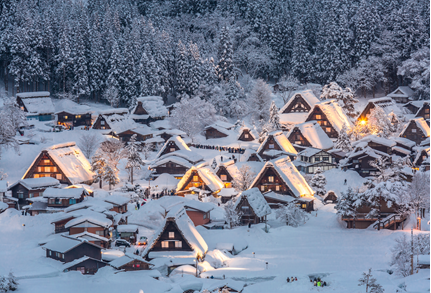
In Tokyo, galleries, ateliers and food markets are less crowded and so feel more accessible.
Travellers can also head north to the snow-covered landscapes of Tohoku or Hokkaido, where hot springs, winter festivals and mountain scenery create a very different cultural experience.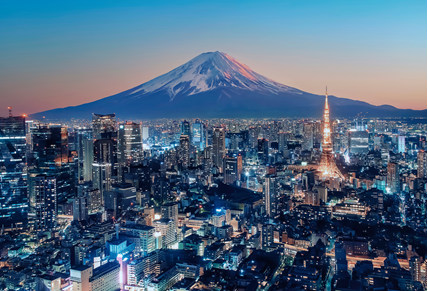
Why Cool-Season Travel Works
Each of these destinations offers an incredible experience outside peak-season travel rarely allows.
If you’re thinking about planning a cool-season holiday, our specialists can design an itinerary shaped by local insight across Asia, Africa and beyond.
Contact the team at info@ampersandtravel.com