+44 (0)20 7819 9770
 info@ampersandtravel.com


Sulawesi
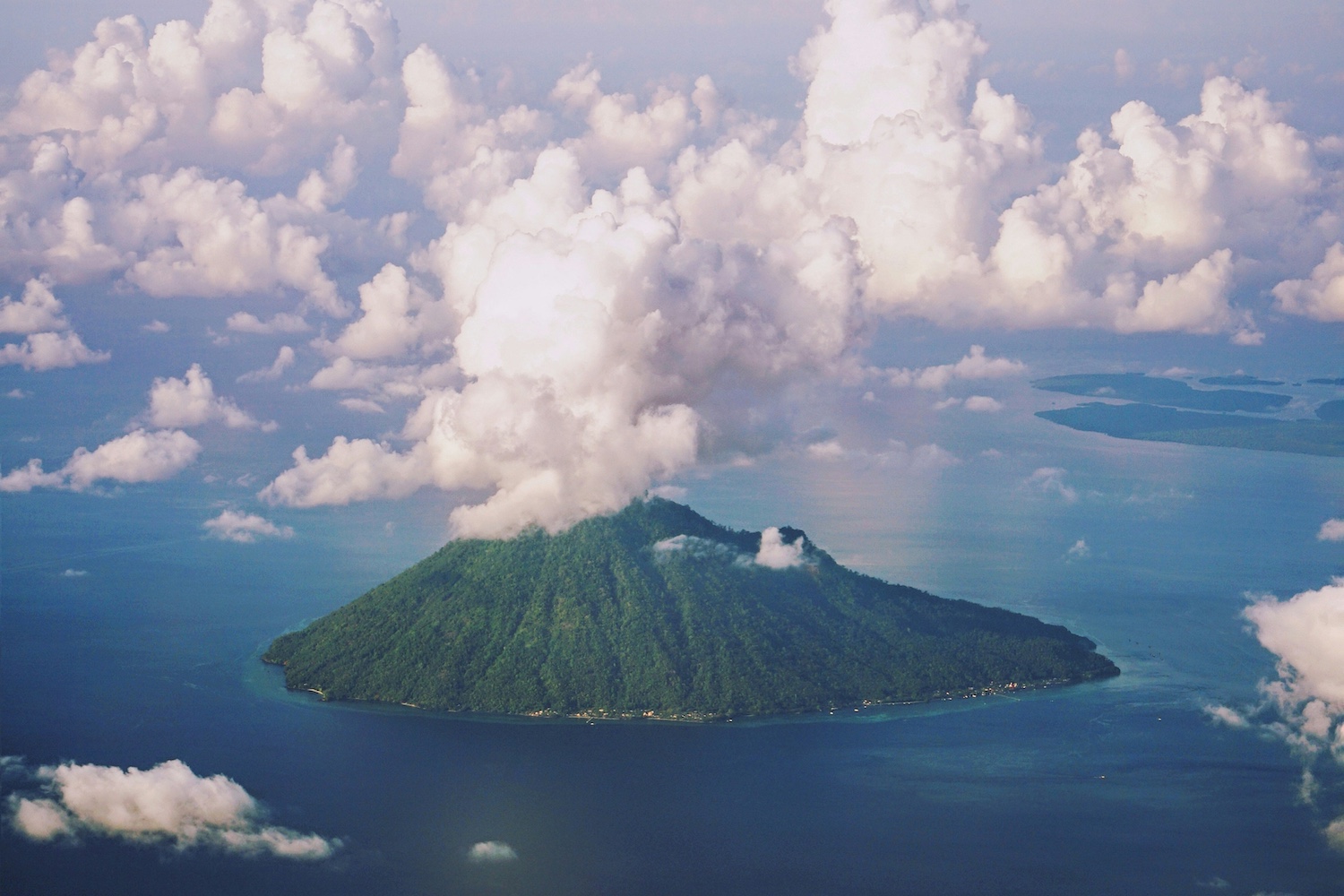
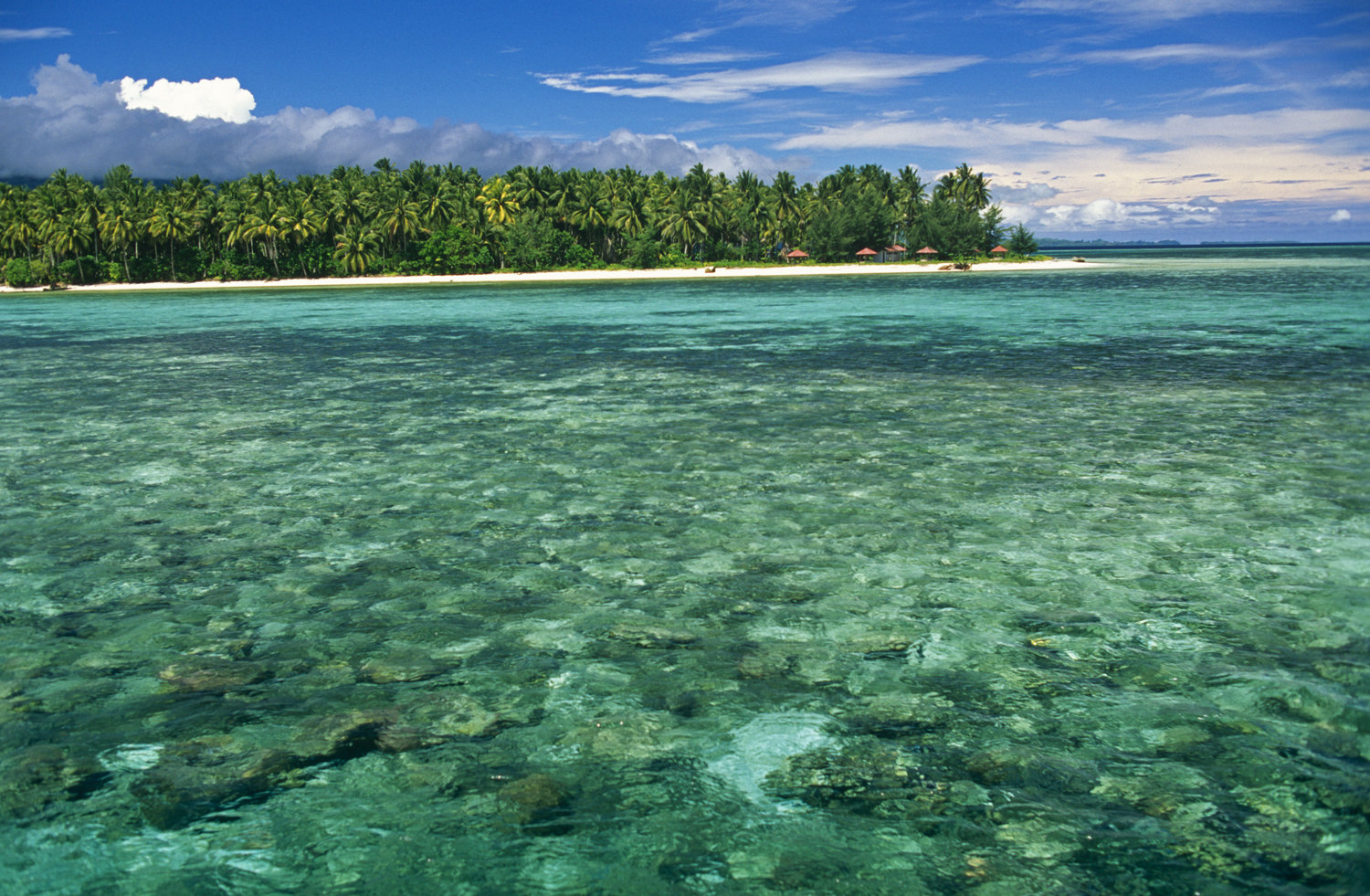
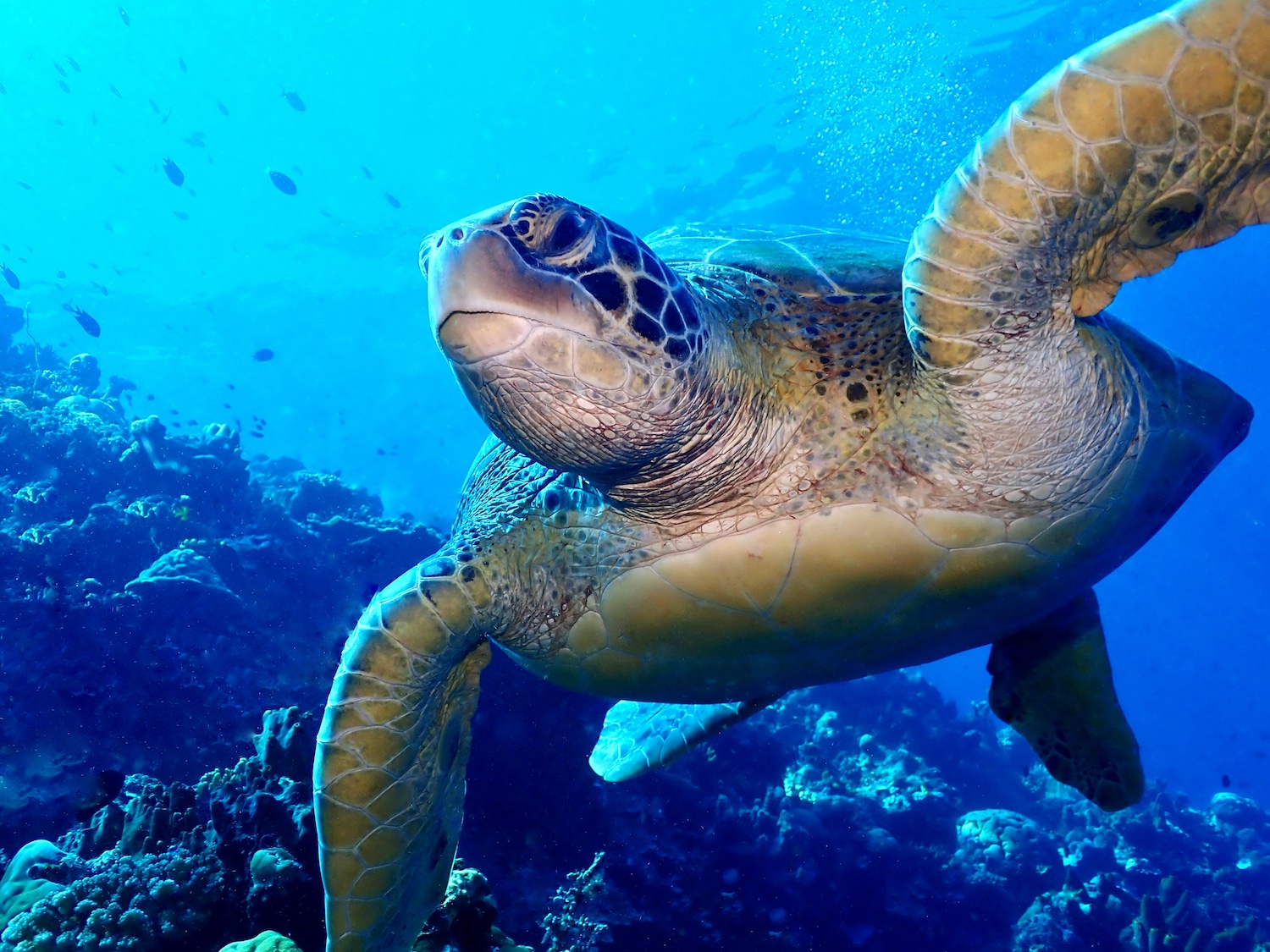
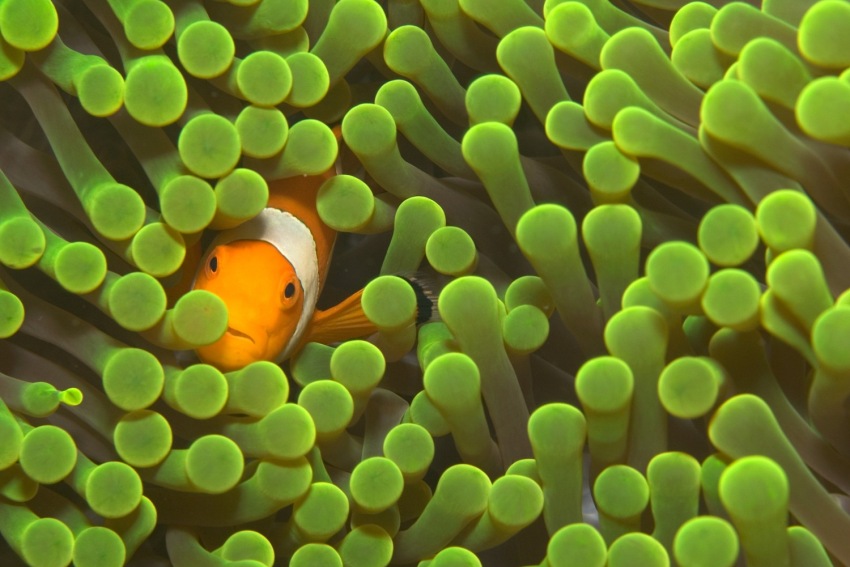
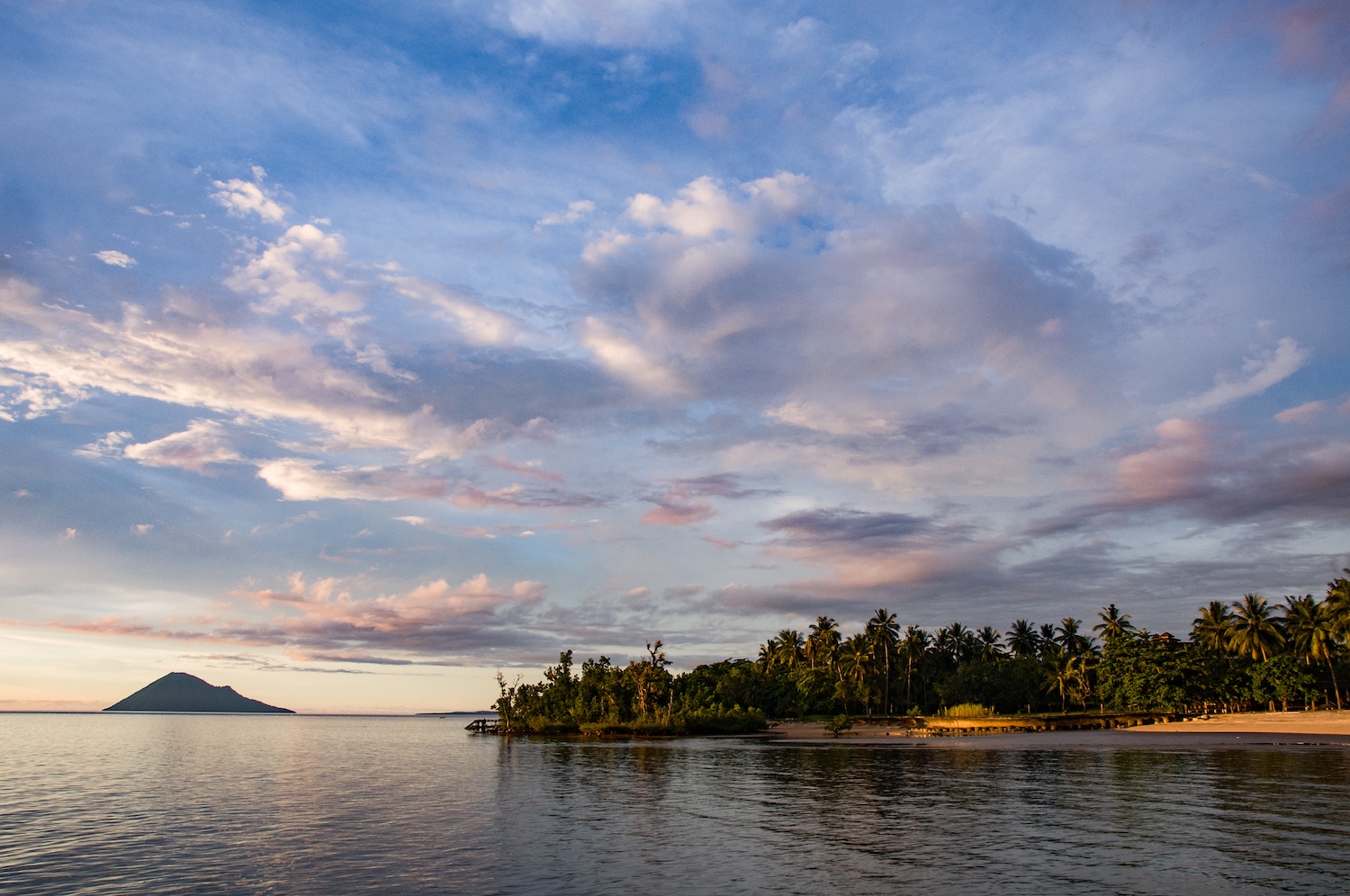
Sulawesi is one of Indonesia’s most beguiling islands, a place where geography, culture and nature conspire to create a world that feels both remote and deeply alive. Shaped like an orchid or a many-armed starfish, its sinuous peninsulas extend into the sea, enclosing hidden bays and fringed by coral reefs that rank among the richest on earth. For divers, this is legendary territory; Bunaken National Marine Park, the Togian Islands and Wakatobi offer waters so clear and abundant with life they set global benchmarks for biodiversity. Bunaken in particular has become iconic; a short hop from Manado, it draws divers from across the world to its coral walls, sea turtles and unparalleled marine biodiversity.
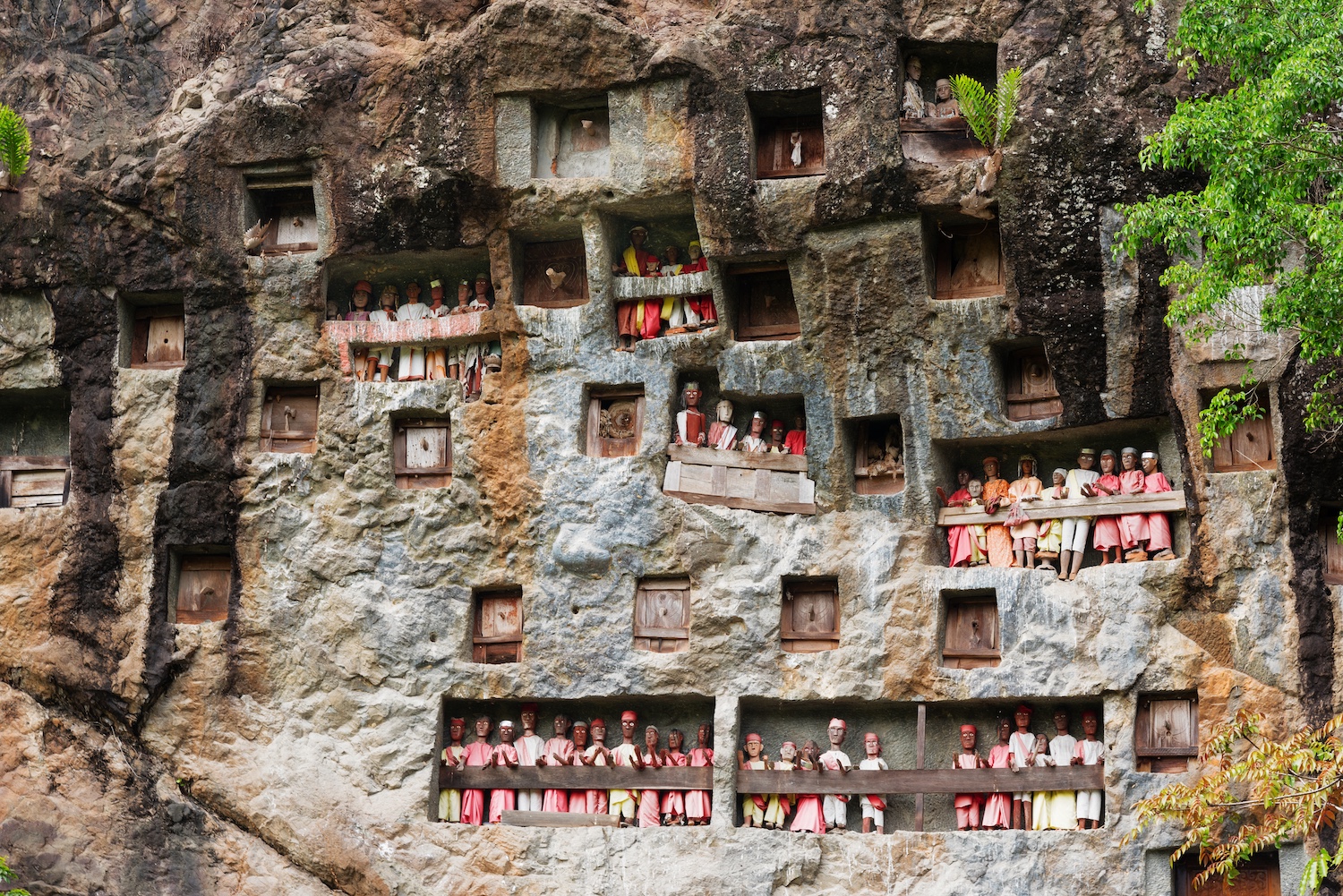
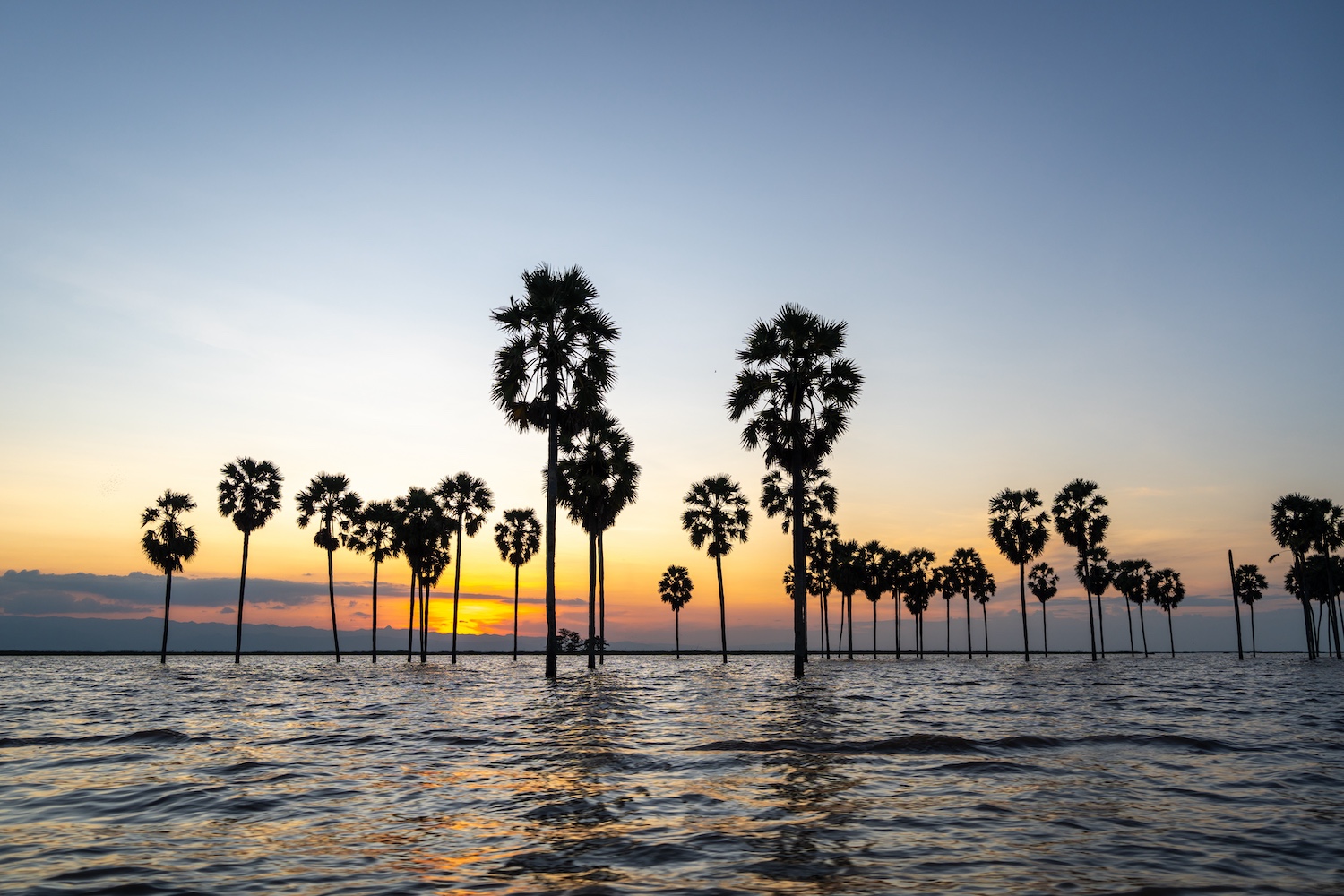
Yet Sulawesi is not only about the sea. Inland, the landscapes rise into mountains and forested highlands where traditional cultures thrive. Most famous are the Toraja people of South Sulawesi, whose dramatic peaked houses and intricate rituals reflect a worldview steeped in ancestry and ceremony. To witness a Torajan funeral procession or the carving of wooden effigies known as tau tau is to encounter a culture both complex and profoundly moving, and one that has held fast in the face of modernity. Further south, the port city of Makassar has long been a crossroads, its history written in the spice trade and its streets alive with seafood markets and Bugis sailing schooners. Travelling inland from here, Sengkang offers a quieter rhythm beside Lake Tempe, where floating houses drift across the water and traditional silk weaving continues in village homes.
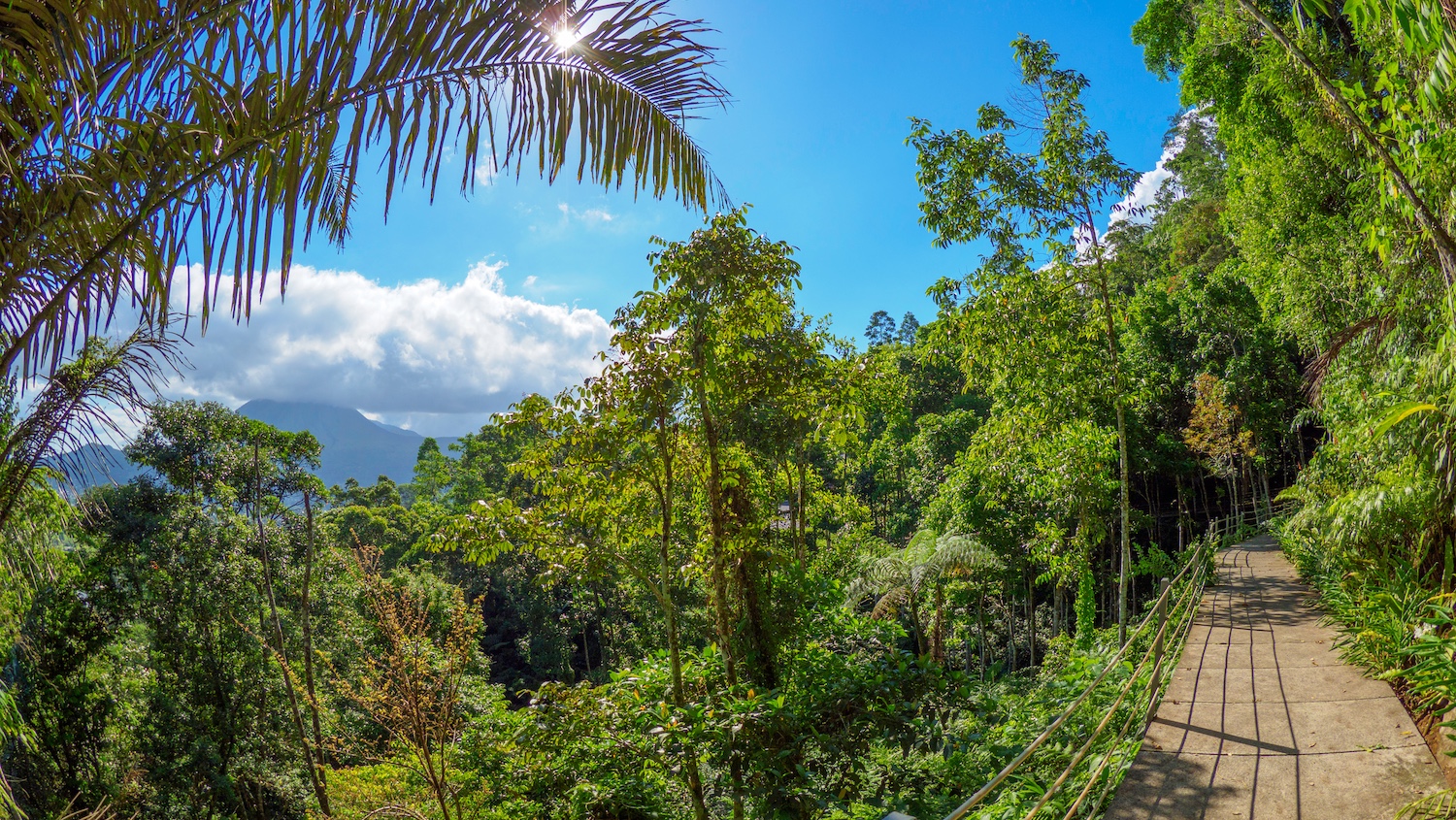
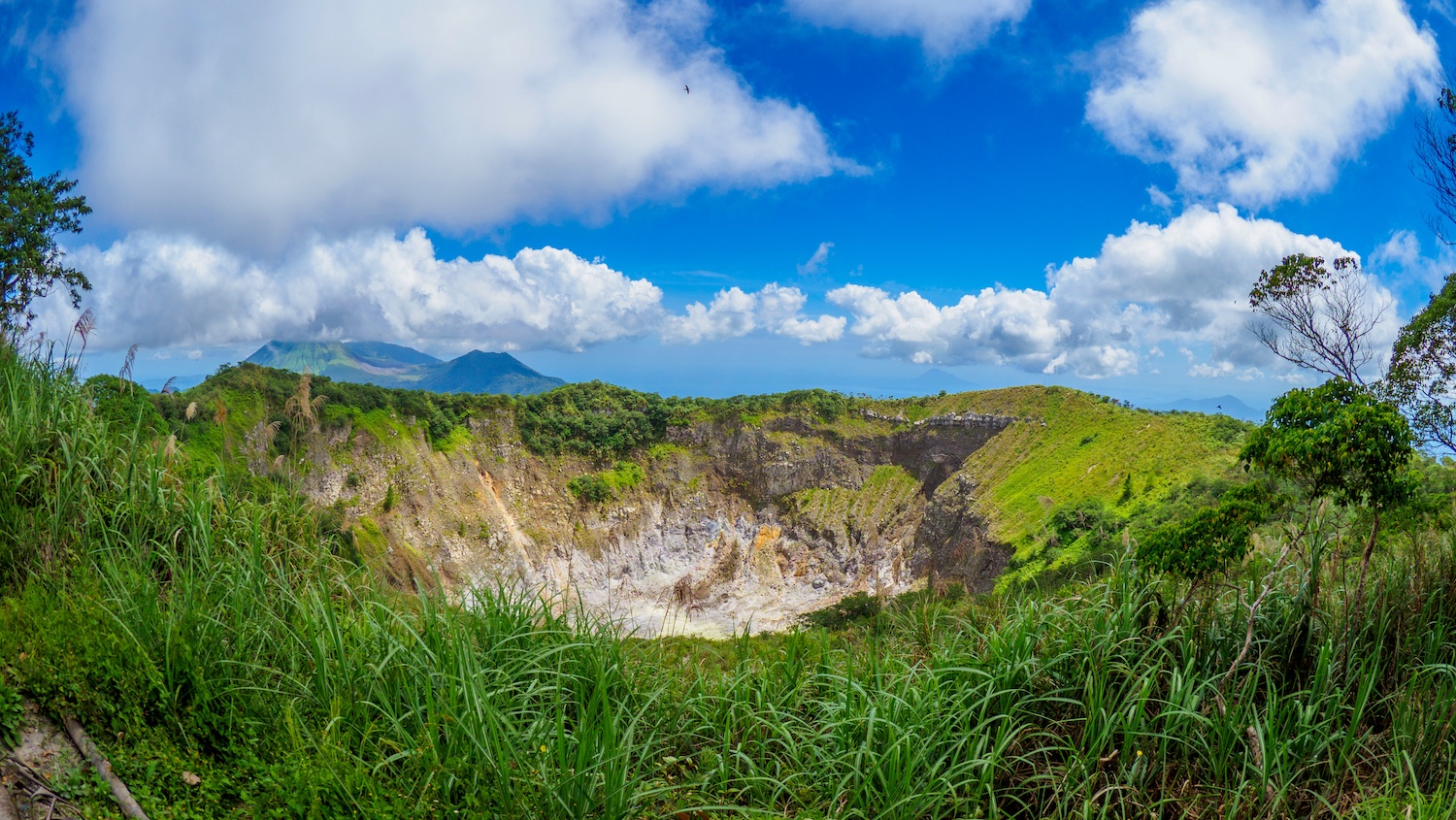
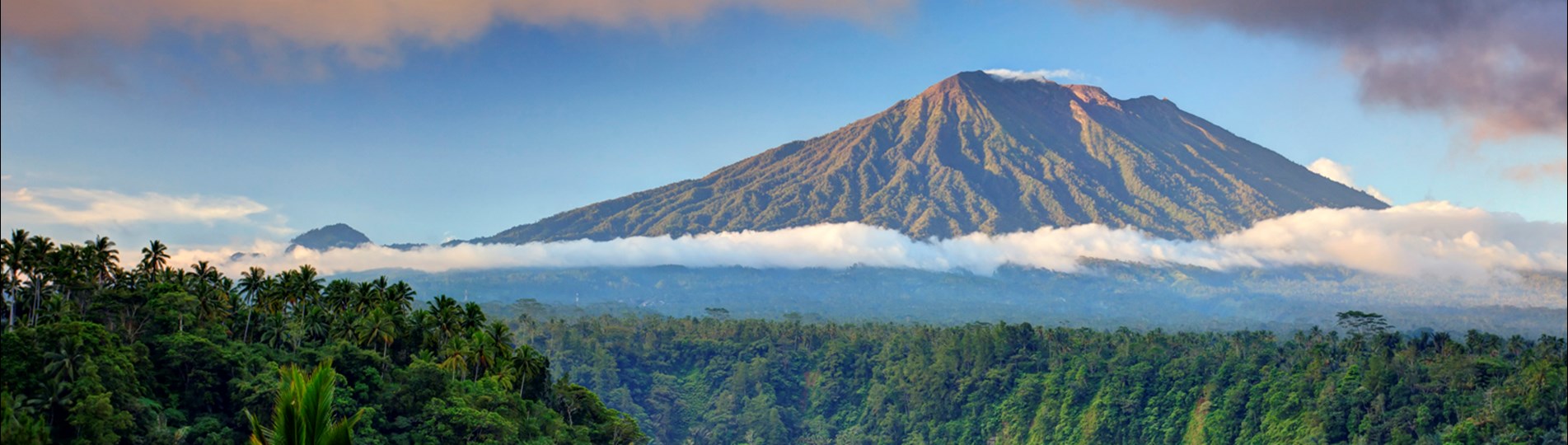
The island’s sheer scale and diversity make it feel like several destinations in one. In the north, volcanic peaks surround Manado, a lively gateway to Bunaken and a base for exploring the Minahasa highlands. Nearby Tomohon, with its flower farms, cool air and volcanic trails, shows another facet of life here, a sharp contrast to the coastal heat. Central Sulawesi offers a slower pace, with the remote Togian Islands scattered like jewels across Tomini Bay. To the southeast, Wakatobi presents pristine beaches and high-end dive lodges, yet remains blissfully far from the mainstream. And in the heart of the island, Lake Poso shimmers, ringed by hills and villages where daily life unfolds much as it has for centuries.
Travel here requires time and curiosity. Distances are long, flights limited and infrastructure patchy, but therein lies the appeal. Sulawesi has not been polished for mass tourism. Its rhythms are its own; fishermen mending nets on wooden jetties, morning markets laden with spices and tropical fruit, forests alive with hornbills and macaques. For those willing to venture, the reward is the chance to encounter Indonesia in its raw, unvarnished form, an island that resists simplification and repays immersion.
Sulawesi is not for everyone. But for divers, cultural travellers and those who prefer their journeys with a measure of unpredictability, it may well be the most rewarding island in the archipelago.


 Places of Interest
 Accommodation
Travel is the only thing that you buy that makes you richer.
Proverb