+44 (0)20 7819 9770
 info@ampersandtravel.com


Tana Toraja, South Sulawesi
High in the misty highlands of South Sulawesi lies Tana Toraja, a landscape of rice terraces, forested valleys and vertiginous cliffs where one of Indonesia’s most fascinating cultures continues to thrive. To travel here is to step into a culture that feels both otherworldly and deeply human, a place where ritual and daily life remain entwined, and where the cycle of life and death is expressed with extraordinary clarity.
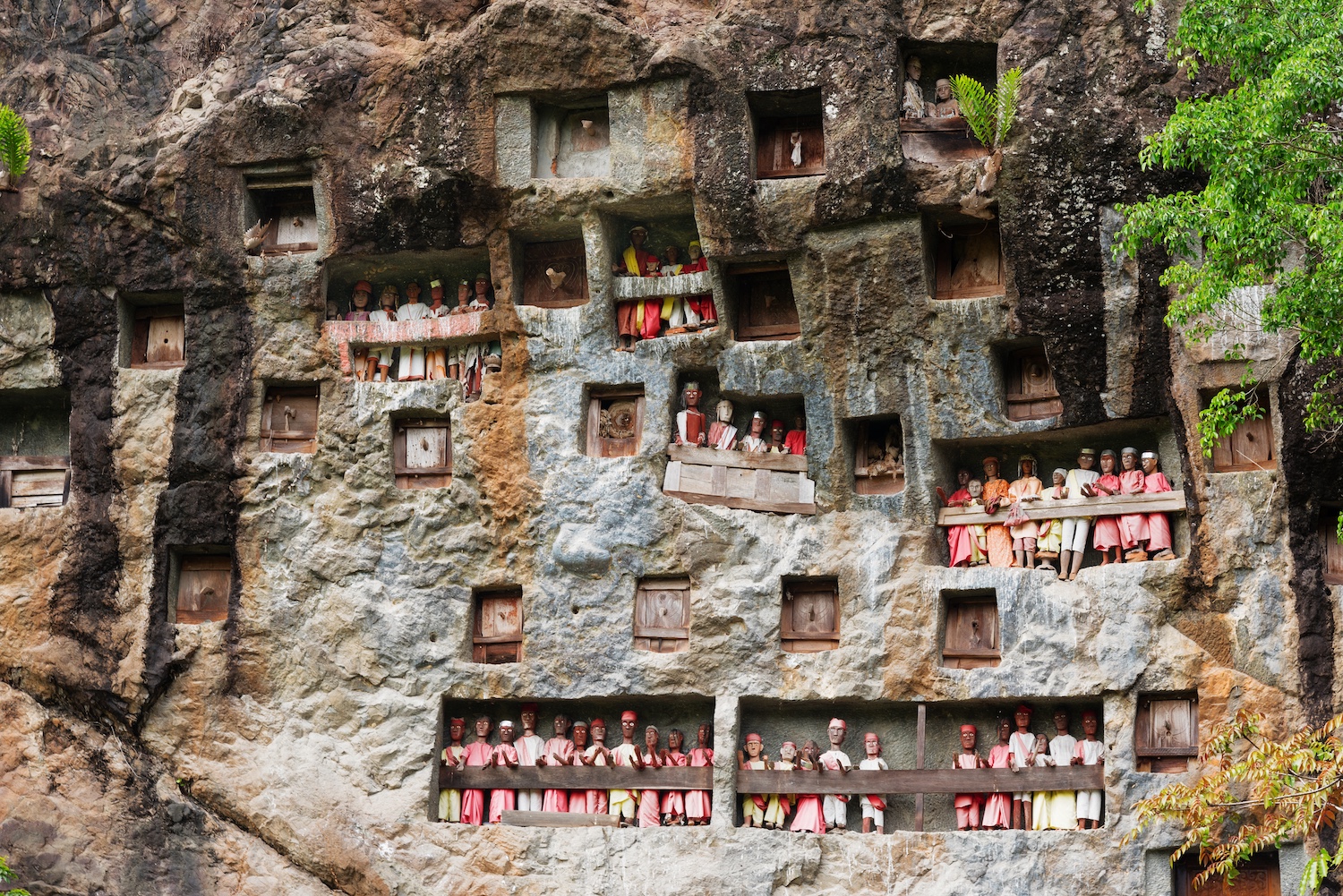
The Toraja people are best known for their elaborate funeral ceremonies, which are among the most complex and symbolic in Southeast Asia. To witness one is to be drawn into a spectacle that is both solemn and celebratory, as layers of ritual unfold in ways that feel both ceremonial and intimate. Buffaloes (regarded as sacred and as carriers of the soul) are sacrificed in great numbers, each one believed to ease the deceased’s journey into the afterlife. Effigies known as tau tau are painstakingly carved to mirror the features of the departed, becoming lasting guardians who watch over the living from their cliffside balconies.
When someone dies in Toraja society, the body is often not buried immediately. Instead, it is embalmed or preserved and may be kept in the family home for months or even years, considered “sick” or “sleeping” rather than dead, until the family has gathered enough resources (buffaloes, pigs, and provisions) to stage the elaborate funeral rites.
During the ceremonies themselves, the deceased is usually dressed in fine clothing, placed in an ornate coffin, and sometimes paraded through the village in a grand procession before being laid to rest in cliffside tombs, caves, or stone graves. In some villages, there is also the Ma’nene festival (the “cleaning of the corpses”), which happens outside of funerals: every few years, families exhume their ancestors, clean and redress them in new clothes, and parade them around the village in a symbolic reaffirmation of kinship ties between the living and the dead.
Families often spend years, even decades, preparing for these rites, as the ceremonies are not only a farewell but also a statement of status, community and enduring connection to ancestors. Entire villages converge to pay their respects, filling the air with music, chanting and the clatter of traditional dances. These gatherings can last for days or even weeks, blending pageantry, devotion, grief and revelry. More than rituals of mourning, they embody a spiritual outlook in which death is not an end but a passage, and in which ancestors remain a vital, guiding presence in the everyday lives of the Toraja.
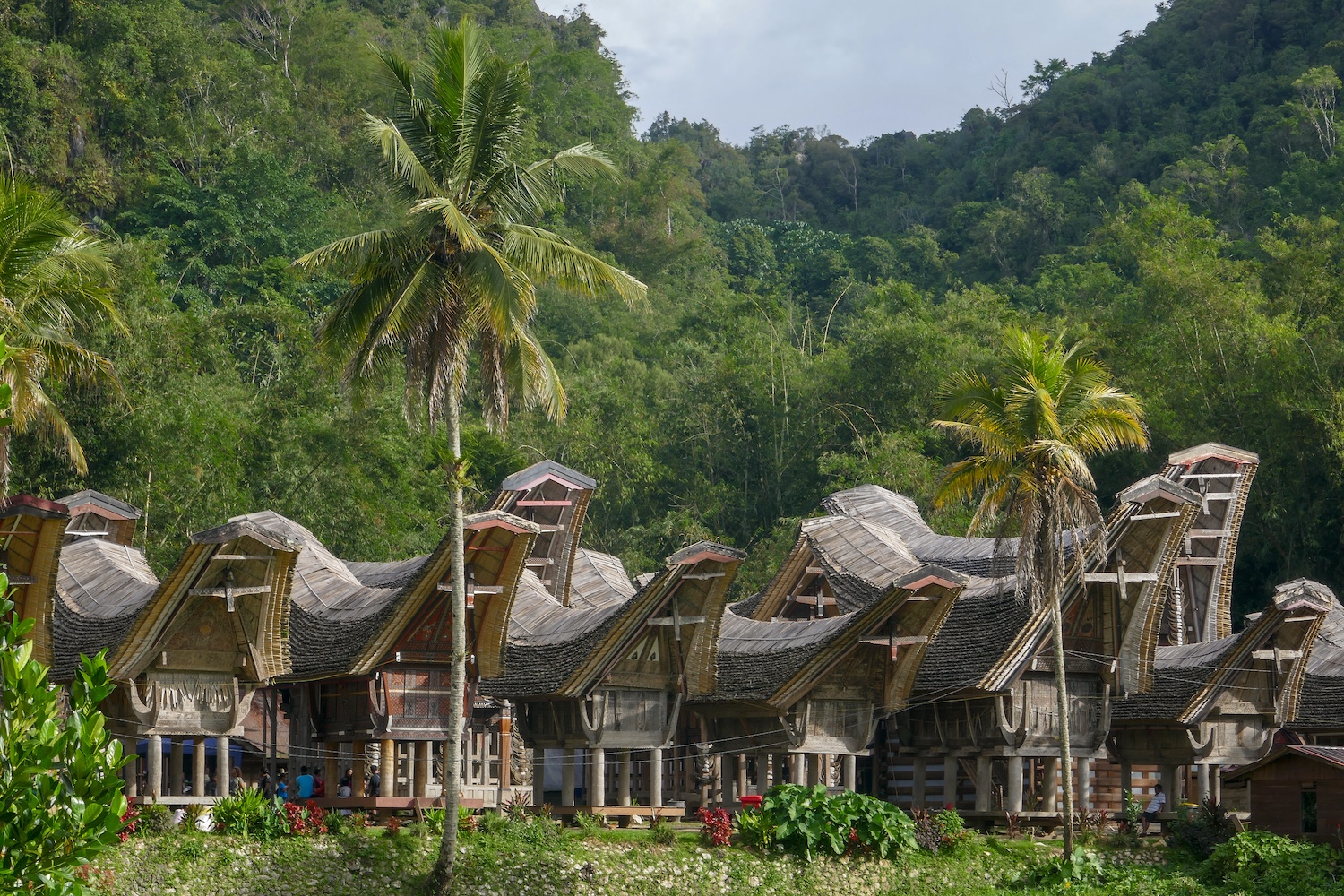
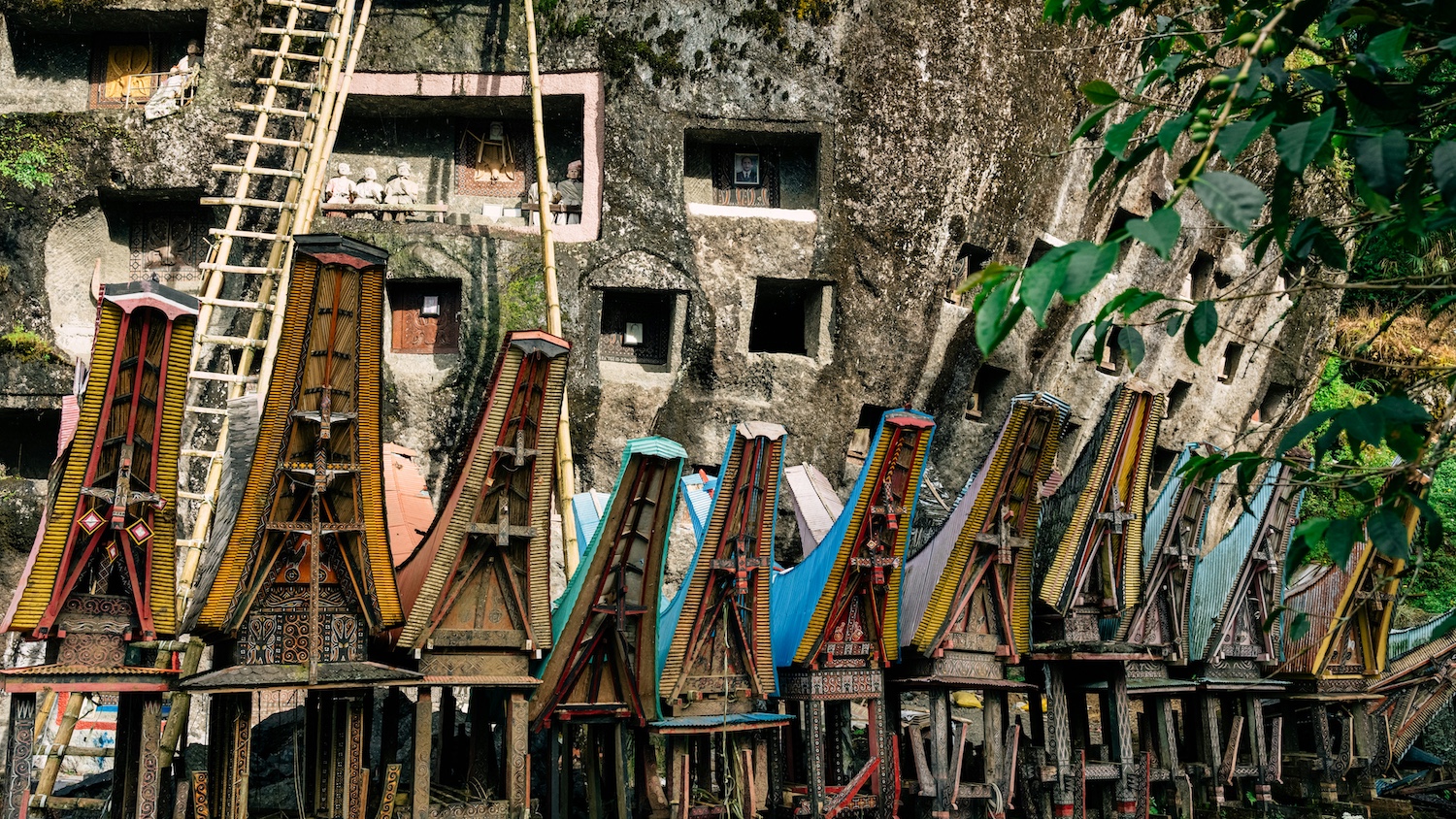
The region is equally striking for its architecture. Traditional tongkonan houses, with their boat-shaped roofs and intricate carvings, are clustered in villages, standing as both family homes and repositories of ancestral identity. Nearby, dramatic cliffside burial sites, where wooden effigies gaze out from balconies hewn into the rock, offer haunting reminders of a culture rooted in continuity and reverence.
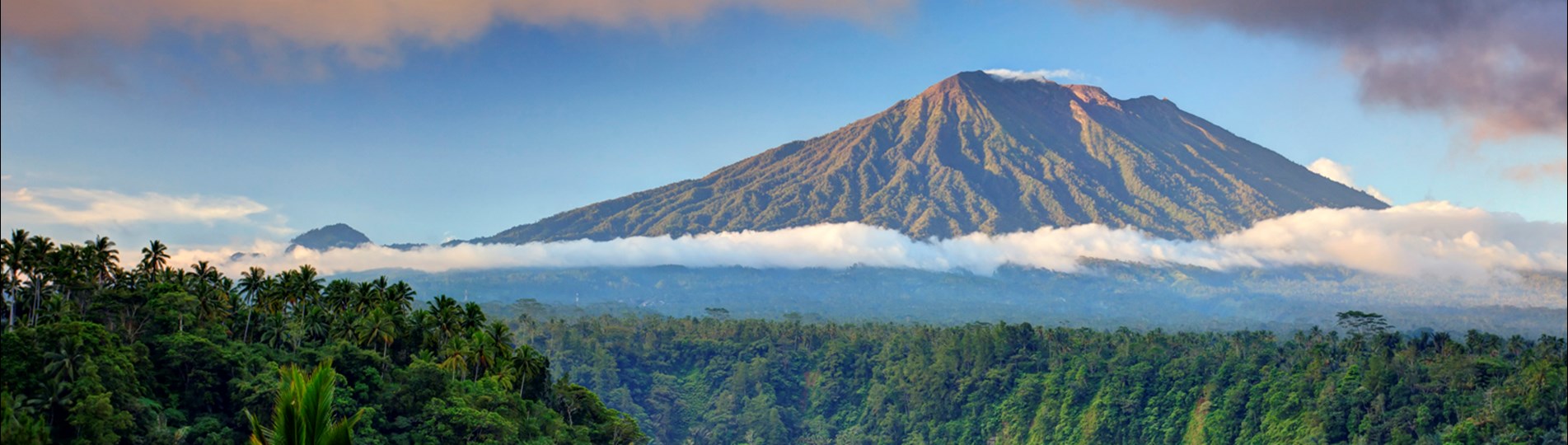
Beyond its rituals, Tana Toraja is a place of remarkable natural beauty. Trekking through the highlands reveals landscapes of dazzling green, dotted with rice paddies and bamboo groves. Morning mists cling to the hills, while villages stir to the sound of cockerels and church bells (Christianity here sits side by side with animist traditions, adding another layer to Toraja’s cultural fabric).
Travel in Toraja requires time and an open mind. Roads are winding, distances long and comforts modest, but the rewards are immense. Few places in Indonesia offer such an immersive sense of cultural depth, where the ceremonies, architecture and landscapes together create a narrative that feels both timeless and utterly unique.
For those with curiosity and patience, Tana Toraja is not simply a stop on a journey through Sulawesi, it is a destination that stays with you; vivid, moving and wholly unlike anywhere else.
Features in the following itineraries


 Places of Interest
 Accommodation
There are no foreign lands. It is the traveller only who is foreign.
Robert Louis Stevenson