+44 (0)20 7819 9770
 info@ampersandtravel.com

Jaffna
Geography dictates much in Sri Lanka, and nowhere is this more apparent than in Jaffna. Positioned at the northern tip of the island, just fifty kilometres across the Palk Strait from Tamil Nadu, the peninsula sits at a cultural crossroads. South Indian and Sri Lankan influences coexist here, shaping everything from the Tamil spoken in the streets to the skyline of Hindu gopurams and the particular fieriness of the cuisine. Jaffna feels unmistakably distinct, not just from the south, but from much of the island.
The journey itself reinforces this sense of separation. Whether flying into Palaly, bypassing a 6-hour overland drive, or travelling north through the sparsely populated Vanni, the transition is gradual but unmistakable. Sinhala gives way to Tamil, Buddhist temples to Hindu kovils, and rice and curry takes on an entirely different character, bolder, spicier and more assertive.
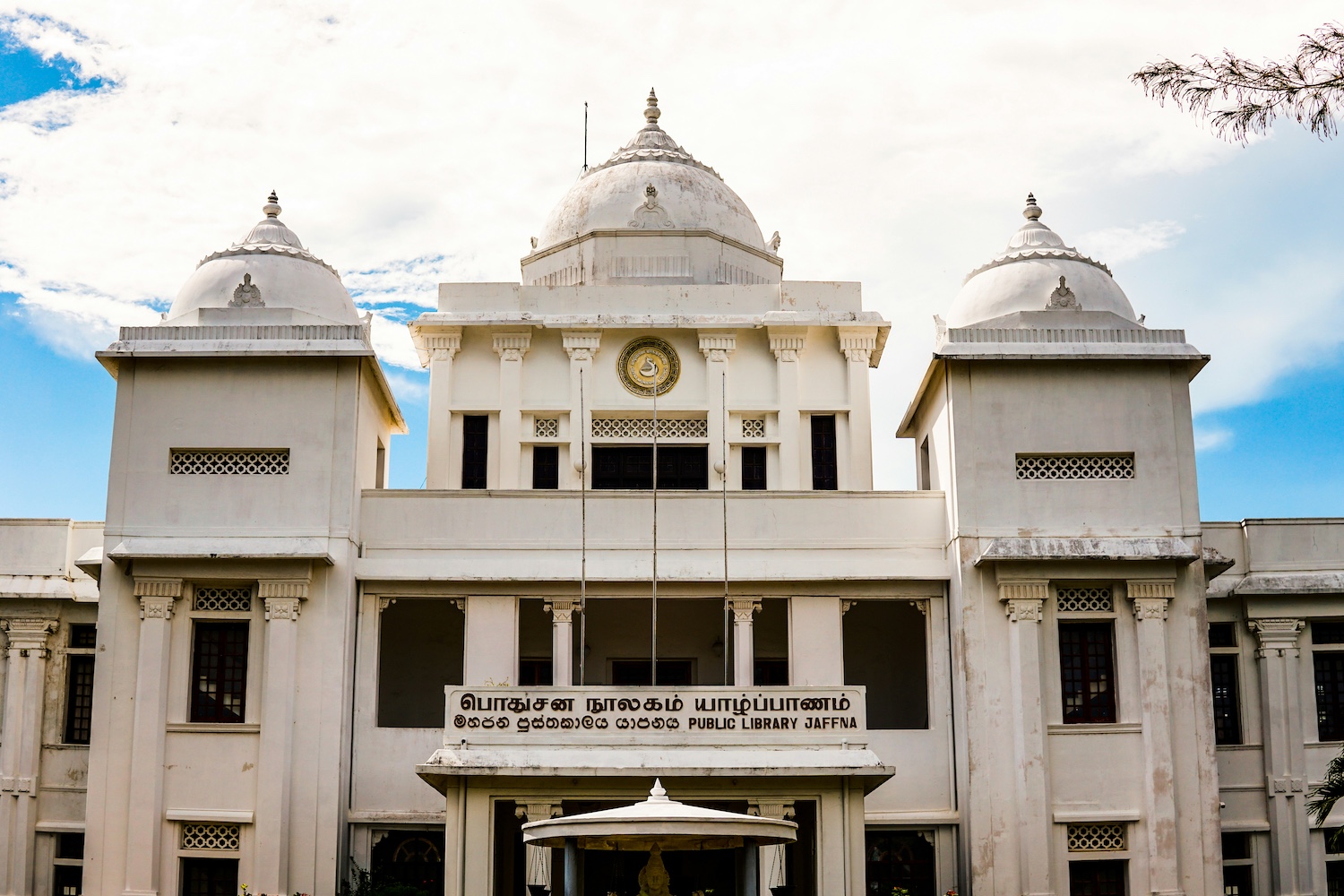
The civil war left deep scars here, and it would be disingenuous to ignore them. Entire neighbourhoods were destroyed, families displaced, and a generation lots to violence. The rebuilt Jaffna Public Library, once one of Asia’s great libraries, stands as both memorial and statement of intent. Yet what defines Jaffna today is not conflict but resilience, a city that has quietly rebuilt itself while retaining an extraordinary degree of cultural confidence and sophistication.
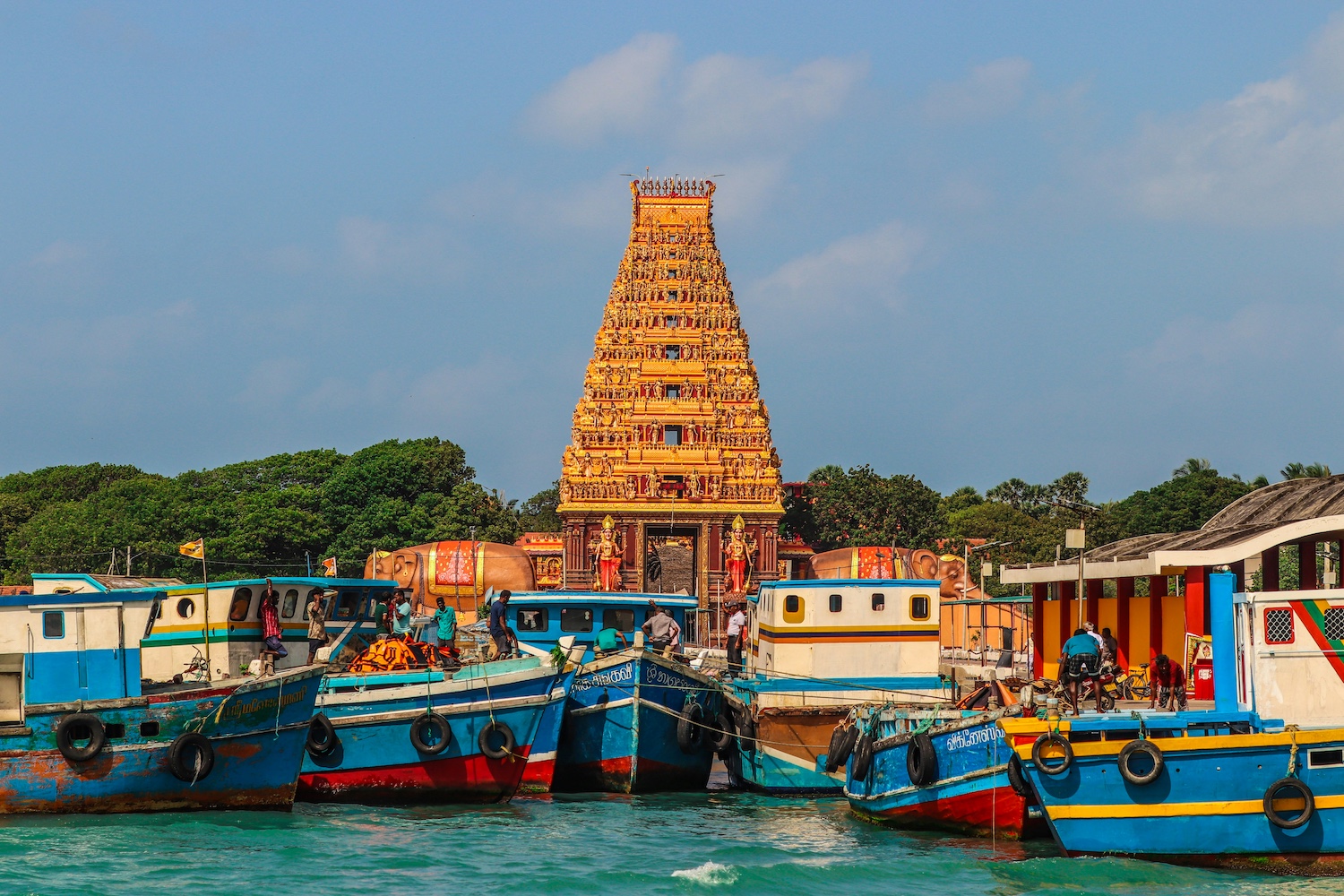
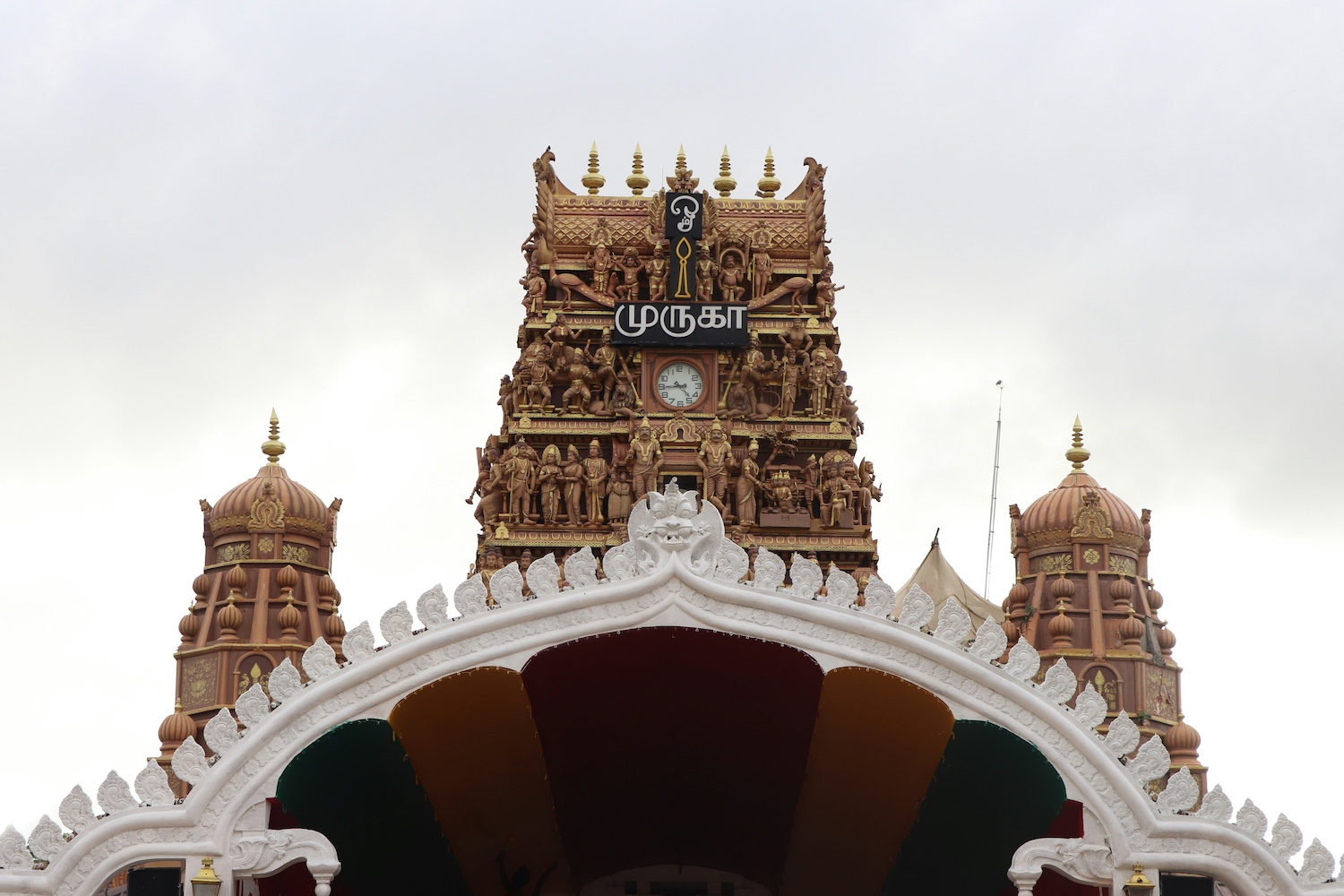
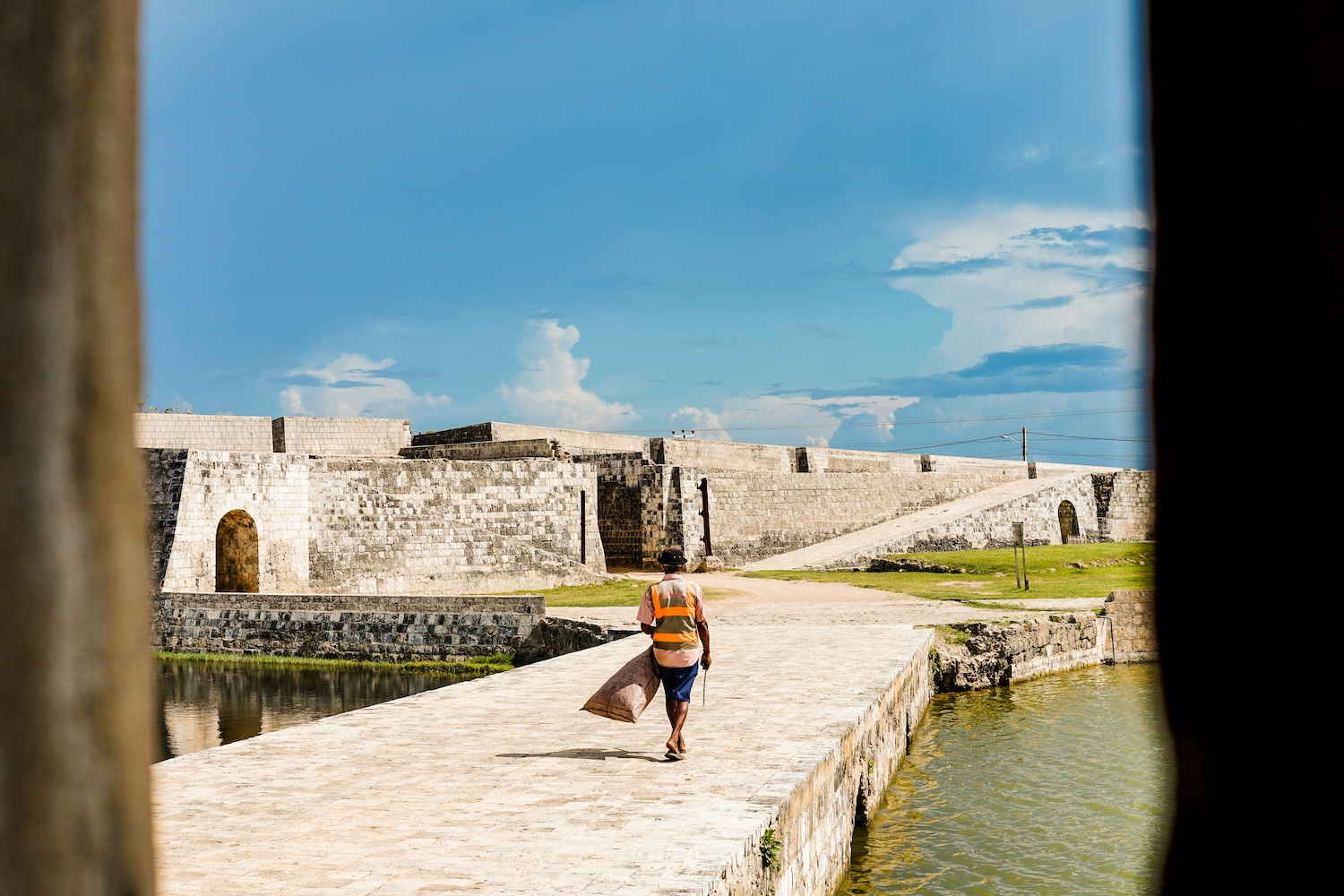
Exploration rewards those willing to slow their pace. This is not Colombo. The vast Dutch Fort, expanded from Portuguese foundations in the seventeenth century, stretches across the lagoon with weathered authority. Much remains in partial ruin, but walking the ramparts at sunset, with views towards Kayts Island and the network of causeways linking the peninsula, offers a powerful sense of place. Nearby, Nallur Kandaswamy Temple forms the spiritual heart of Tamil Hinduism in Sri Lanka. Dating from 1734, its towering golden gopuram dominates the district, and during the annual July–August festival the temple becomes the focal point for elaborate processions, music and ritual that feel largely unchanged by time.
Beyond the city, the offshore islands add another layer. Nainativu brings Hindu and Buddhist sacred sites into rare proximity, while Delft Island (Neduntivu) feels almost otherworldly - wild ponies roam flat, semi-arid land enclosed by coral walls, a massive baobab stands sentinel over the landscape, and traces of Portuguese and Dutch occupation linger. Tourism here remains light; life revolves around palmyra palms and the rhythms of the sea.
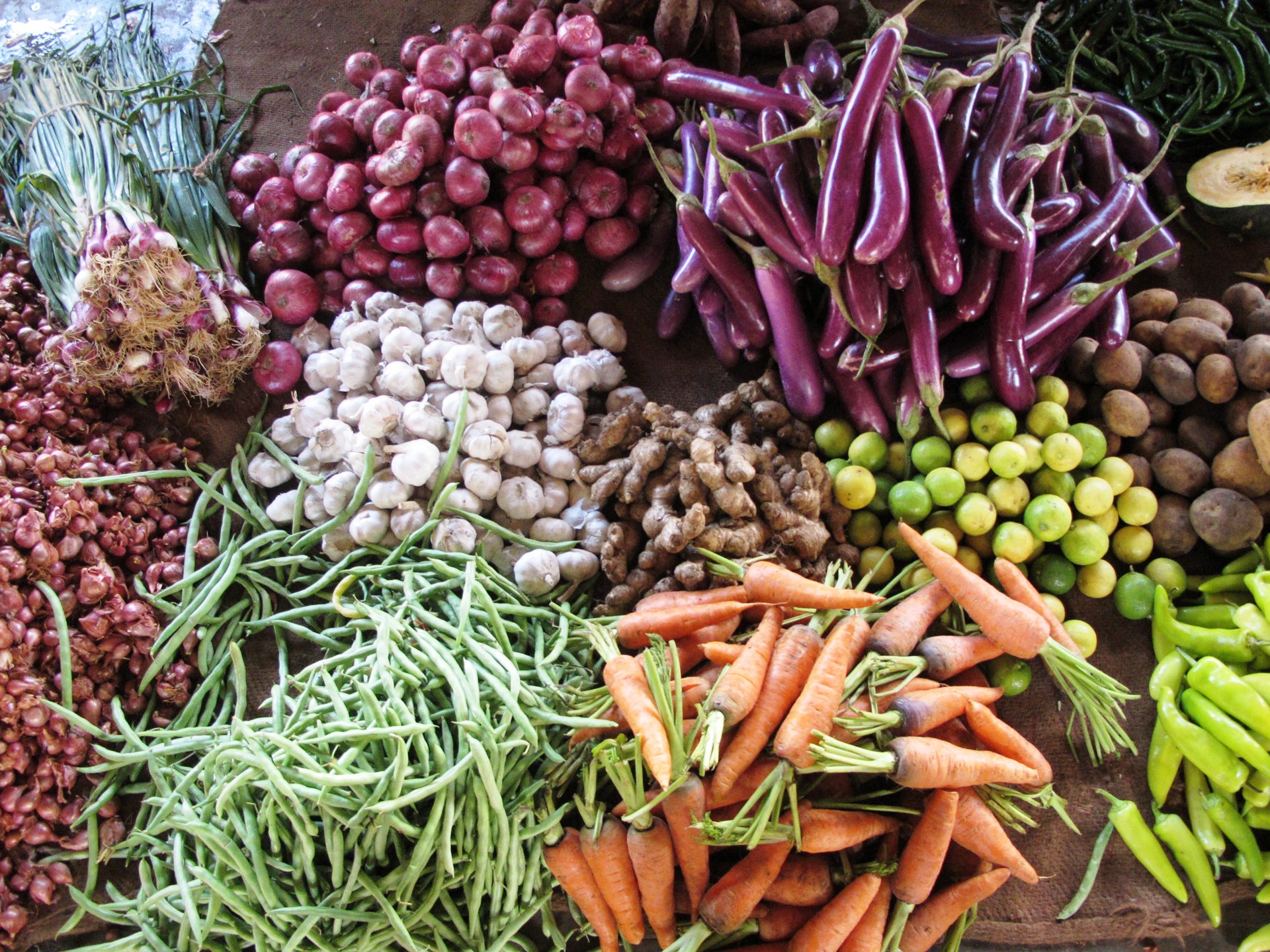
Food is central to understanding Jaffna, and this is not a place for culinary timidity. Jaffna crab curry, heavy with roasted spices and chilli, has achieved near-legendary status, while kool, a thick seafood broth incorporating everything from cuttlefish to palmyra root, divides opinion but captures the complexity of northern cooking. Even familiar staples, idiyappam at breakfast, mangoes in season, toddy tapped from palmyra palms, taste distinctly of this place.
Jaffna works best as a deliberate inclusion rather than a detour, either opening or closing a journey through Sri Lanka. Three to four days allows time to explore the city, visit Delft or Nainativu, and experience the peninsula without rushing. Daily flights from Colombo have simplified logistics, and accommodation options now include characterful properties such as Fox Jaffna, which balance comfort with authenticity.
Jaffna is not for everyone. Those seeking beaches, spas and gentle indulgence will find easier pleasures elsewhere. But for travellers drawn to cultural complexity, regions shaped by history, and places that sit outside the familiar tourist narrative, Jaffna offers something rare: a Sri Lanka seen through a distinctly Tamil lens, confident, resilient and quietly compelling.


 Places of Interest
 Accommodation
I dislike feeling at home when I am abroad.
George Bernard Shaw